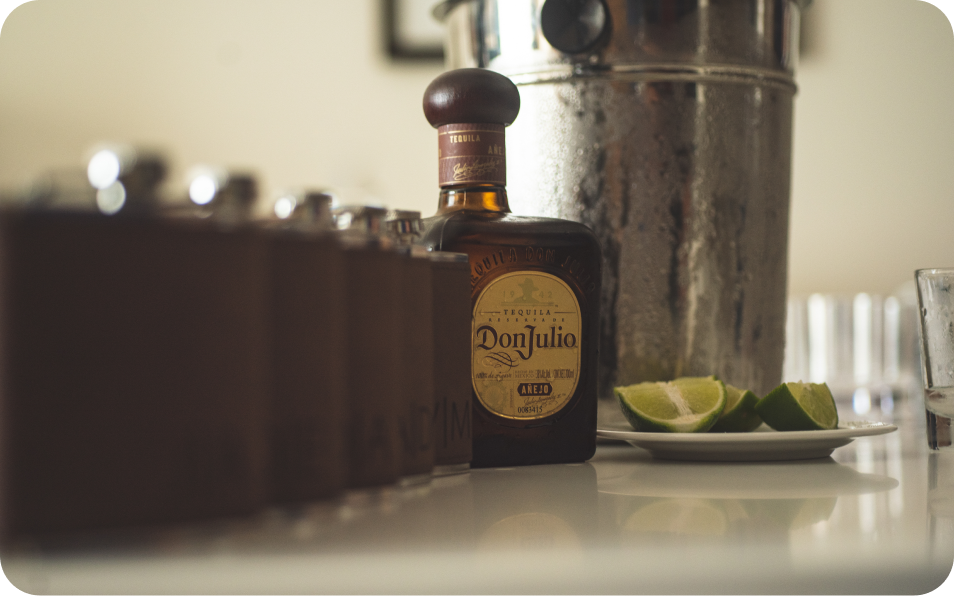
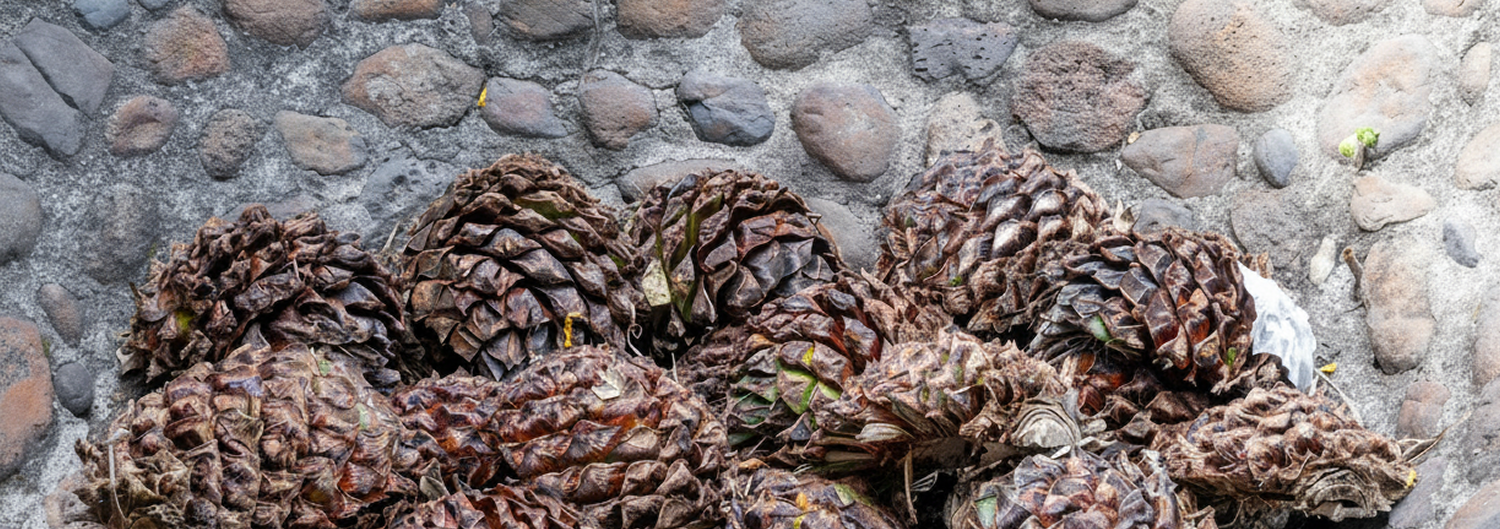
Few categories in the spirits world invite as much romance — or as much misunderstanding — as organic tequila. The word organic promises something cleaner and more natural. But what does it really mean on a tequila label, and how does it shape what ends up in your glass?
This guide walks through how organic tequila is made, what the certification covers (and what it doesn’t), how it compares to additive-free tequila, and which bottles are worth knowing.
What Is Organic Tequila?
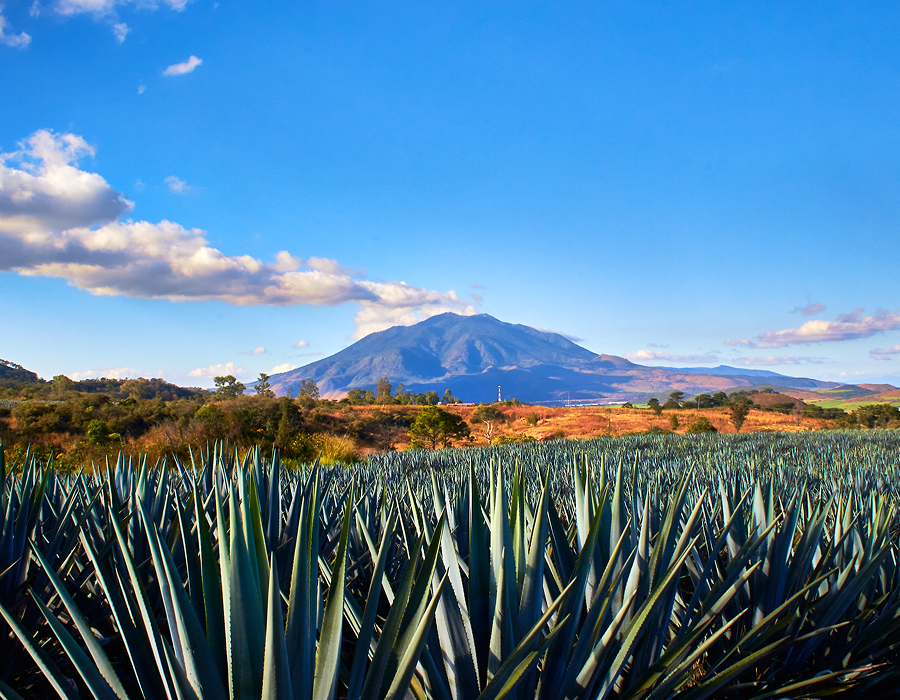
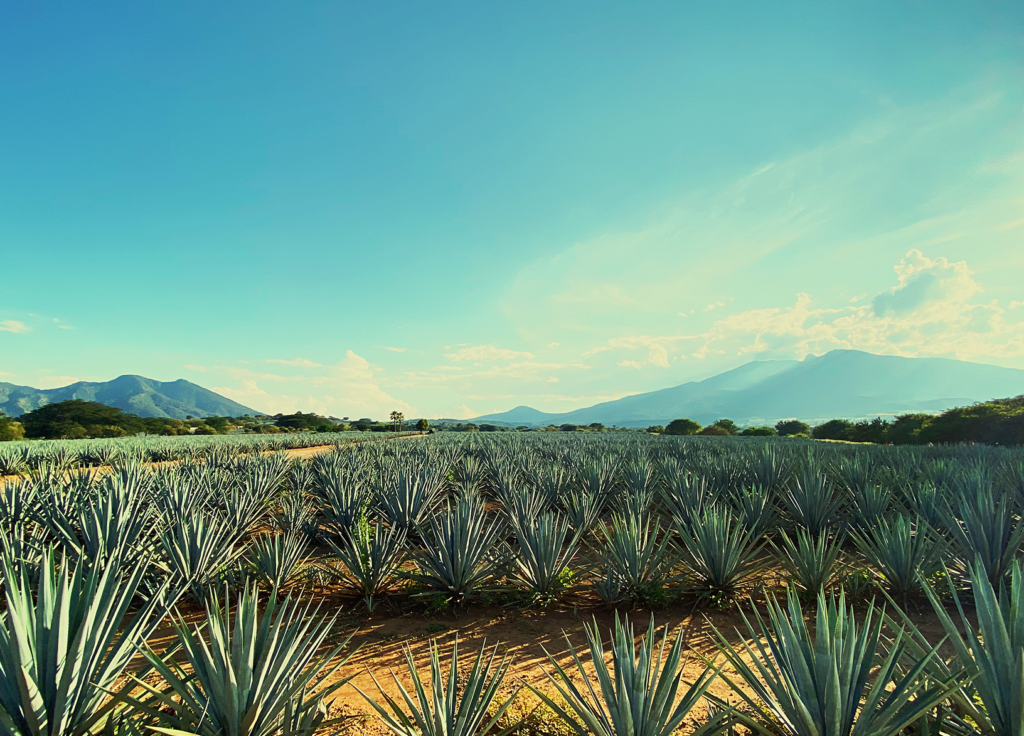
Organic tequila is made from blue Weber agave grown without synthetic pesticides, herbicides, or fertilizers, and processed under certification standards such as the USDA National Organic Program (NOP), CCOF, or Mexico’s CERTIMEX. Both the agave fields and the production chain — fermentation, distillation, bottling — must be audited and verified.
In practice, the agave grows on living soil rather than chemically managed land, with no genetically modified inputs. The seal speaks to how the spirit is made, not necessarily how it tastes.
Read more: How Tequila Is Made
Does Organic Tequila Mean Better Quality?
Yes… and not exactly. Organic certification is a meaningful signal of care: clean soil, transparent practices, and traceability from field to bottle. But quality in tequila is built from many layers, and certification is one of them.
A truly excellent bottle depends on factors the organic seal doesn’t directly measure:
- Agave maturity: mature plants (seven years or more) yield richer, sweeter cooked agave.
- Cooking method: traditional brick ovens or stone autoclaves preserve depth; diffusers strip it.
- Fermentation and distillation: wild yeasts, copper stills, and unhurried timing all leave their mark.
- Craftsmanship: the maestro tequilero‘s choices on cuts, blending, and resting shape the final balance.
The best organic tequilas align both worlds: clean cultivation and uncompromising craft.
Read more: Types of Tequila – A Journey from the Roots to the Glass
Organic Tequila vs. Additive-Free Tequila
This is where most readers, and even some retailers, get tangled. The two terms describe different things.
Organic refers to how the agave is grown and how the production chain is managed: no synthetic agrochemicals, certified soil-to-bottle traceability.
Additive-free refers to what is — or isn’t — added to the finished spirit. Under Mexico’s NOM-006-SCFI-2012, up to 1% of certain additives (caramel coloring, glycerin, oak extract, sugar-based syrups) is permitted in 100% agave tequila without label disclosure.
The two can overlap — many organic tequilas are also additive-free — but they aren’t automatically the same. A tequila can be certified organic and still contain permitted additives. Reading the label and the producer’s transparency is the only way to know.
Best Organic Tequilas to Know
A short, editorially curated trio worth seeking out. Each illustrates a different expression of what organic tequila can be.
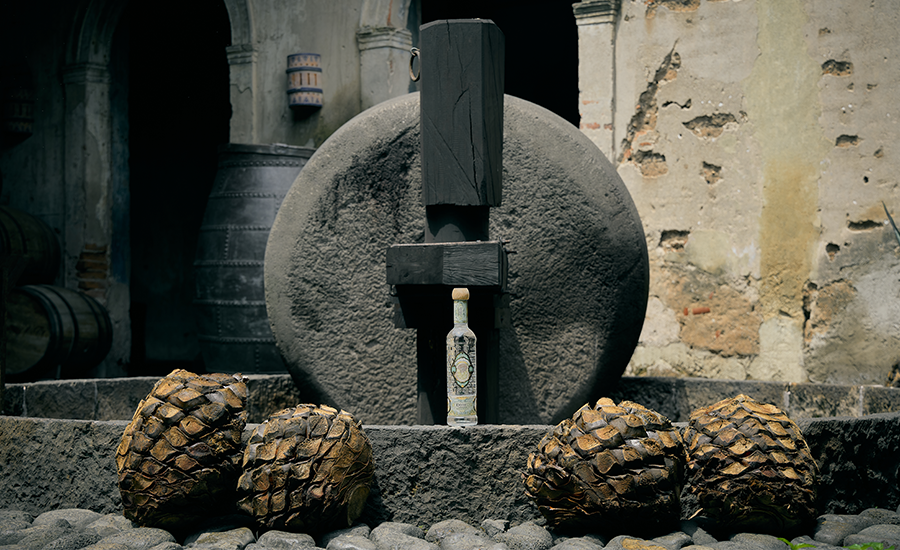
Dobel Tahona Blanco Orgánico
A rare meeting point of ancestral method and contemporary precision. Dobel Tahona is crafted with USDA- and CERTIMEX-certified organic agave grown on estate fields at the foot of the Tequila Volcano.
The agave is slow-cooked in traditional masonry ovens, then crushed under a volcanic stone tahona wheel. Spontaneous fermentation with the agave fiber, followed by double copper distillation at 40.5% ABV, yields a blanco with bright minerality, cooked-agave sweetness, and a long, peppery finish. Each bottle is numbered and signed by the maestro tequilero.
Casa Noble Crystal
One of the first tequila brands to earn USDA and CCOF organic certification, Casa Noble has cultivated estate agave in Jalisco for generations. The Crystal blanco is triple-distilled in copper pot stills, giving a soft, citrus-bright profile with hints of cooked agave and herb — a benchmark for what organic-certified, estate-grown tequila tastes like at its most refined.
Tequila Alquimia Reposado
Founded by Dr. Adolfo Murillo and often credited as a pioneer of the organic tequila movement, Alquimia produces its full range under USDA organic certification. The Reposado rests in oak for warm notes of cooked agave, vanilla, and gentle butter, a thoughtful choice for those who want certification and craft in equal measure.
At a Glance: Organic Tequila Comparison
| Bottle | Class | Certification | Signature Profile |
| Dobel Tahona | Blanco | USDA / CERTIMEX | Mineral, peppery, cooked agave; tahona-crushed |
| Casa Noble Crystal | Blanco | USDA / CCOF | Citrus-bright, herbal, triple-distilled |
| Alquimia Reposado | Reposado | USDA | Cooked agave, vanilla, gentle oak |
Read more: Best Tequila Brands of 2025 – The Global Throne of Agave
How to Choose an Organic Tequila
When you’re scanning a shelf or a back bar, a few cues separate a thoughtful organic tequila from one that’s merely wearing the label:
- Look for the certifier name. USDA, CCOF, or CERTIMEX should appear on the label, often with a verifiable certificate.
- Check the NOM number. This identifies the distillery and lets you trace the producer.
- Read for transparency. Producers proud of their process tend to share details about cooking, milling, and fermentation.
- Consider additive status separately. If a pure, unadorned profile matters to you, look for explicit additive-free claims alongside the organic seal.
- Taste with intent. A great organic tequila should let cooked agave lead — fresh, balanced, and unmistakably itself.
Organic certification is not a guarantee of greatness, but it is a meaningful invitation: into a way of making tequila that respects the land, the plant, and the time it takes to do things well.
Sources
• USDA Agricultural Marketing Service — National Organic Program (NOP) standards. https://www.ams.usda.gov/about-ams/programs-offices/national-organic-program
• Consejo Regulador del Tequila (CRT) — NOM-006-SCFI-2012 Official Mexican Standard (English). https://www.crt.org.mx/wp-content/uploads/2024/01/NOM-006-SCFI-2012%20-%20INGLES.pdf
• California Certified Organic Farmers (CCOF) — certification standards. https://www.ccof.org/
• InsideHook — ‘The 5 Best Certified Organic Tequilas,’ on USDA monitoring and Casa Noble’s organic practices. https://www.insidehook.com/drinks/best-certified-organic-tequila
• VinePair — ’10 Things You Should Know About Casa Noble Tequila.’ https://vinepair.com/articles/ntk-casa-noble-tequila-guide/
• Alquimia Tequila — Official site, USDA certification statement. https://www.alquimiatequila.com/about
• TasteTequila — ‘Organic Tequilas: The 10 You Need To Try,’ on certification scope and the 95% rule. https://tastetequila.com/2025/organic-tequilas-the-10-you-need-to-try/