Reposado is the category where tequila stops being a single idea and becomes a set of house decisions. Two bottles can carry the same word on the label, sit at the same price, and taste almost nothing alike. Understanding the types of tequila reposado means understanding what the rules require, what they quietly permit, and what each producer chooses to do inside that space.
For the wider category map, start with our guide to the types of tequila.
What the Rules Actually Require
Under NOM-006-SCFI-2012, enforced by the Consejo Regulador del Tequila, a reposado must rest in direct contact with oak or holm oak for at least two months and no more than twelve. The thresholds are absolute. A single day past the twelve-month mark and the same liquid is legally an añejo.
There is a second detail that matters far more than most guides admit. The standard caps cask capacity at 600 litres for añejo and extra añejo, but it sets no maximum size for reposado. A producer can legally rest a reposado in a vat large enough that the spirit barely meets the wood at all.
Why this matters at the shelf
Surface contact, not calendar time, is what transfers flavor. A reposado resting six months in a small ex-bourbon barrel and a reposado resting six months in a 20,000-litre vat are the same age and nothing alike. NOM-006 also permits up to 1% by volume of mellowing agents — caramel colour, oak extract, glycerin, sugar syrup — with no label disclosure, which can supply colour and sweetness that the barrel did not.
Barrel Size, Wood Type and What They Do to the Glass
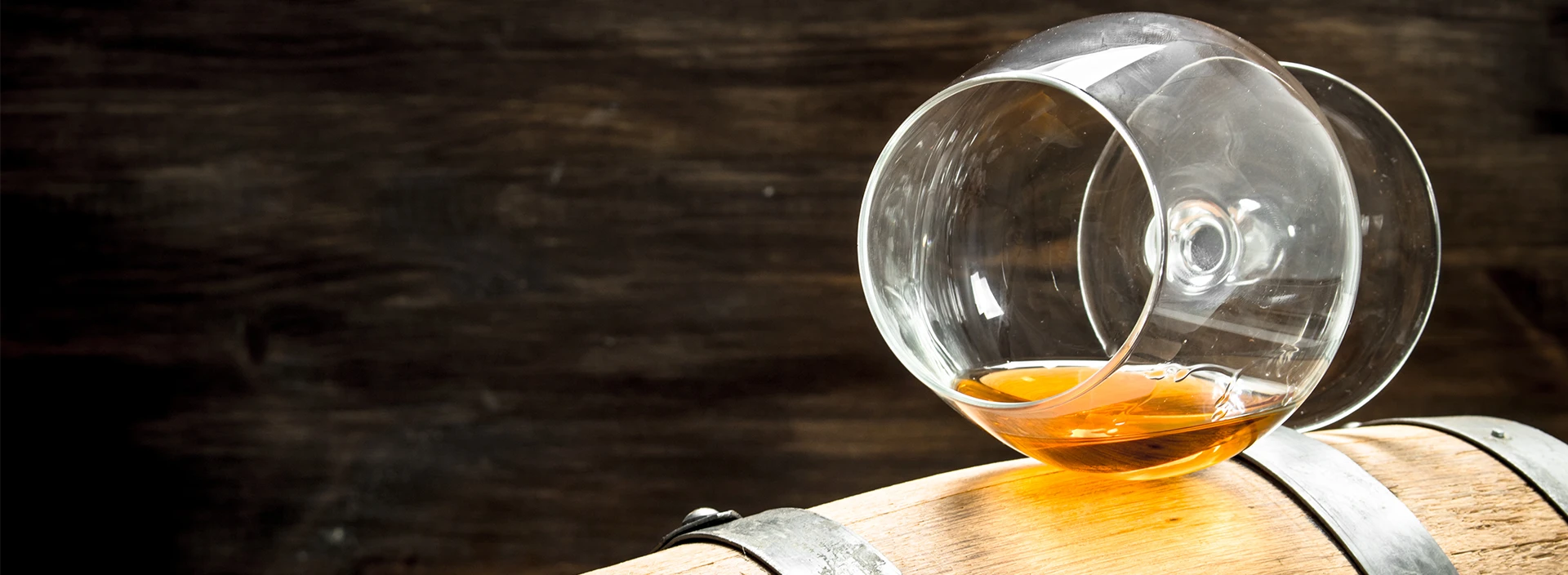
Once you know to ask about the barrel, the differences across the category start making sense:
- Used American oak, usually ex-bourbon. The industry default. High surface-to-volume ratio in a standard barrel, and wood already seasoned by whiskey, giving vanilla, coconut, caramel and a soft landing.
- New French oak. Tighter grain and firmer tannin. Pushes clove, dried fruit and baking spice rather than sweetness, and leaves more structure behind the agave.
- Charred versus toasted. Charring lays down a filtering layer of carbon that strips harshness; toasting without char keeps more of the wood sugars, which reads as sweeter and rounder.
- Large vats. Minimal wood influence per litre. Perfectly legal, and often the sign of a bottle built for volume mixing rather than sipping.
Highlands or Valleys: Where the Agave Starts
Barrel work shapes a reposado, but it does not create it. Agave from Los Altos, the highlands of Jalisco, grows in iron-rich volcanic soil at altitude and tends toward fruitier, sweeter, more floral character. Agave from the valleys around the town of Tequila runs earthier, more herbaceous and more peppery.
Reposado is the category where you can still read that difference. In a blanco the agave is entirely exposed; by añejo the oak has largely taken over. Two to twelve months is the window where origin and barrel are audible at the same time.
Reposado Tequila Brands Worth Knowing
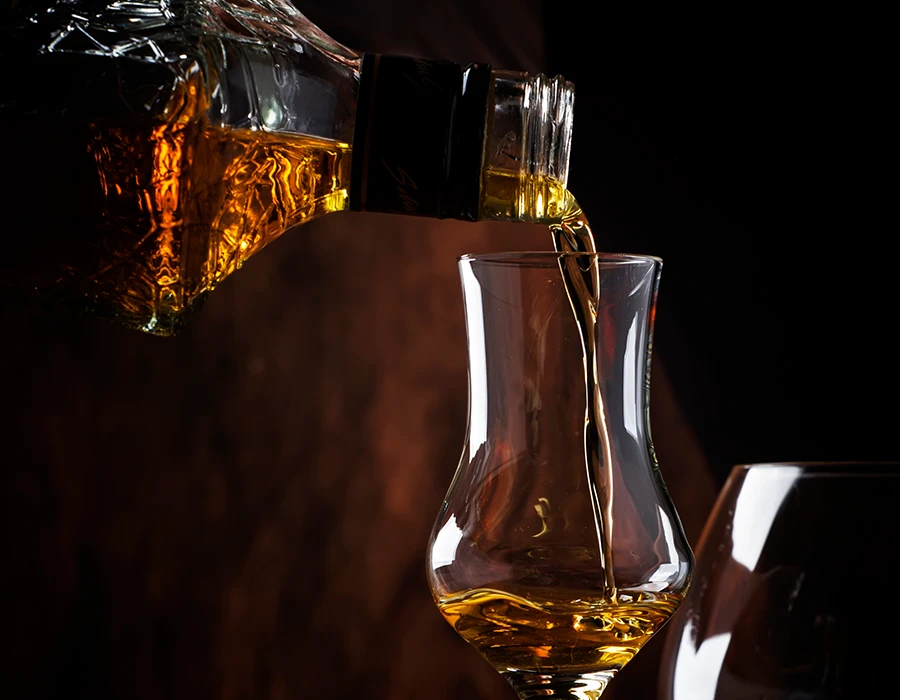
These houses represent genuinely different answers to the same twelve-month question:
- Centenario Reposado. Highland agave, harvested mature, rested in new French Limousin oak and then blended with older reserves under the house Selección Suave method. The French wood shows as clove, cinnamon and a fine tannic grip rather than bourbon-barrel sweetness.
- Herradura Reposado. Launched in 1974 and generally credited with establishing the category. Herradura rests it eleven months in American white oak, near the legal ceiling and far beyond what the standard requires. Rich, dry and firmly oaked.
- Cuervo Tradicional Reposado. A short rest and a deliberately light hand with the wood. Cooked agave, pepper and a touch of vanilla, built for Palomas, batidos and highballs rather than the sipping glass — and priced accordingly.
- Siete Leguas Reposado. A portion of production still crushed by stone tahona and distilled in small copper pots. Assertive, additive-free, with the agave clearly audible underneath the wood.
- Fortaleza Reposado. Tahona-crushed, wooden fermenters, American oak. Oily texture and a mineral, almost briny undertone that has earned it a cult following among traditionalists.
- Don Julio Reposado. Eight months in American white oak. Soft, honeyed and consistent — the international reference point for what a mainstream premium reposado tastes like.
- Clase Azul Reposado. Sweet, vanilla-forward and unmistakable in its hand-painted ceramic decanter. Worth knowing that a substantial share of the price sits in the vessel and the presentation.
Types of Tequila Reposado Compared
| Brand | Wood | Rest | Character in the glass |
|---|---|---|---|
| Centenario | New French Limousin oak | Blended | Clove, cinnamon, cooked agave, fine tannin |
| Herradura | American white oak | 11 months | Dry, deeply oaked, toasted spice |
| Cuervo Tradicional | Oak, short contact | Short | Agave-forward, peppery, light vanilla |
| Siete Leguas | White oak | Several months | Assertive agave, wood in support |
| Fortaleza | American oak | Several months | Oily, mineral, caramel and citrus peel |
| Don Julio | American white oak | 8 months | Honeyed, soft, gently spiced |
| Clase Azul | Oak | Several months | Sweet, vanilla-forward, rounded |
How to Serve and Mix Reposado
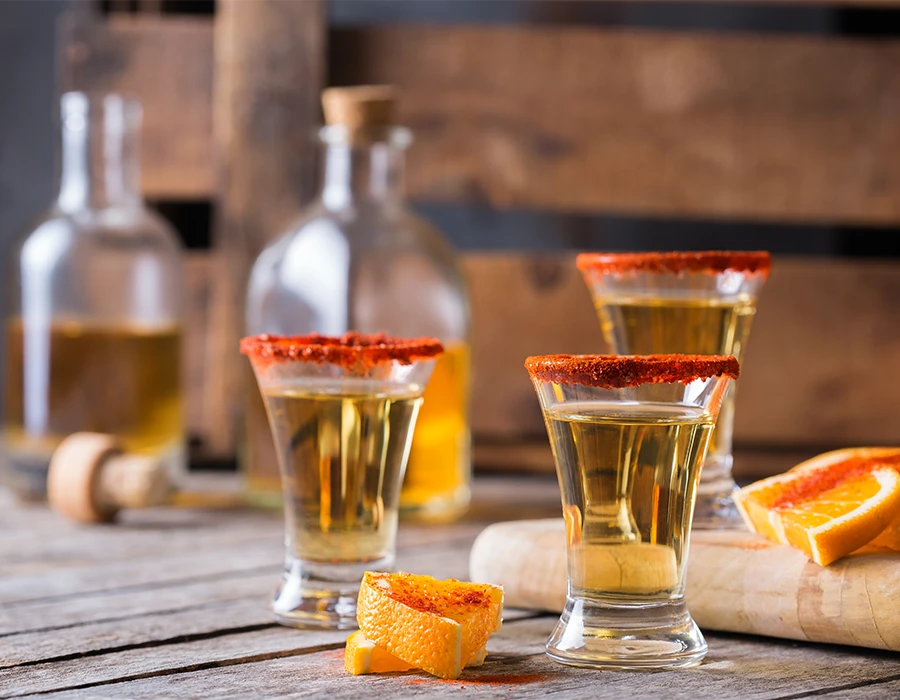
Reposado rewards a copita or a tulip glass at room temperature, where the oak opens without the alcohol sharpening. One large cube slows dilution if you prefer it colder.
In cocktails it brings weight rather than brightness. A reposado Paloma gains body, a tequila Old Fashioned needs the barrel character to work at all, and a reposado margarita trades some citrus lift for vanilla and honey — the trade-off we break down in our guide to the best type of tequila for margaritas.
Reposado also sits comfortably at the slower end of a table: one glass, poured neat and taken over an unhurried hour, is how this expression is meant to be met.
Frequently Asked Questions
How long is reposado tequila aged?
Between two and twelve months in oak or holm oak, under NOM-006-SCFI-2012. Under two months it remains a blanco; past twelve it becomes an añejo. There is no legal maximum on cask size for reposado, which is why time alone is a poor guide to how much wood you will taste.
Is reposado better than blanco?
Neither is better; they answer different questions. Blanco gives you the distillery unedited, which is the fairer test of agave quality. Reposado adds vanilla, spice and body, and softens the alcohol. If you want to judge a house, buy its blanco. If you want a glass to sit with, buy its reposado.
Which reposado should a beginner buy first?
Start mid-market and lightly oaked rather than at the top of the shelf. A restrained reposado such as Centenario or Don Julio shows you what barrel time does without burying the agave, and gives you a reference point for judging heavier expressions later.
Choosing Your Reposado
The useful question is never simply how long a bottle rested. Across the types of tequila reposado on the shelf, ask what wood it rested in, how big the vessel was, and where the agave grew. Those three answers explain almost every difference you will taste — and they turn a wall of gold-tinted bottles into a set of choices you can actually make.
Sources
- Consejo Regulador del Tequila — NOM-006-SCFI-2012 (English)
- Tequila Herradura — Reposado, the original rested tequila (1974)
- Difford’s Guide — Reposado tequilas: cask size, aging and additives
- European Commission — Tequila geographical indication specification (OJ C 255/2016)
- Casa Sauza — Aging of tequila and its myths