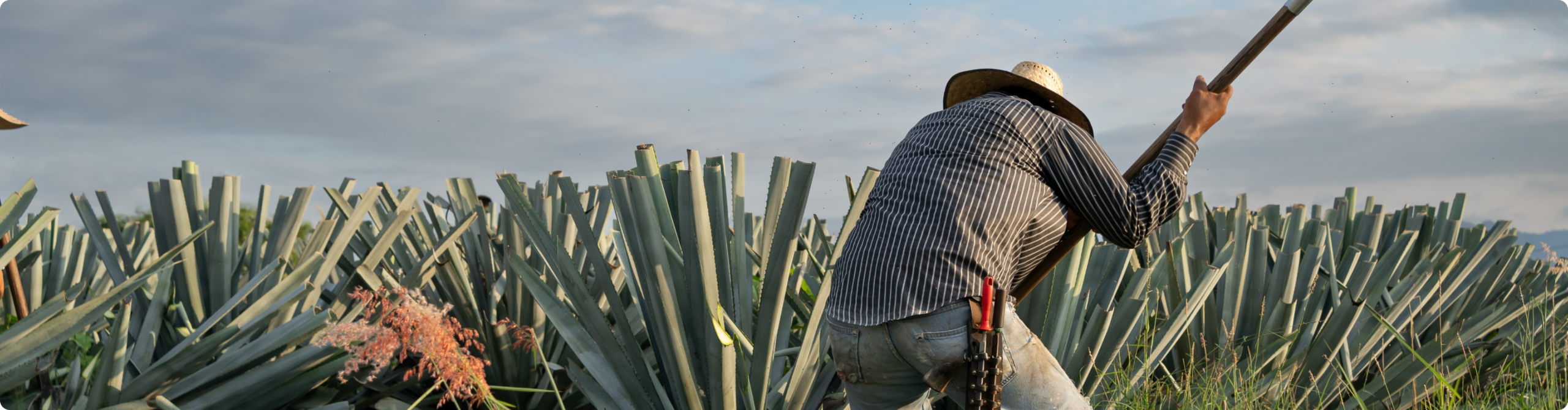
How tequila is made is a ritual shaped by time, fire, and human hands. Each bottle represents nearly a decade of cultivation and generations of expertise passed down in Mexico’s tequila-producing regions.
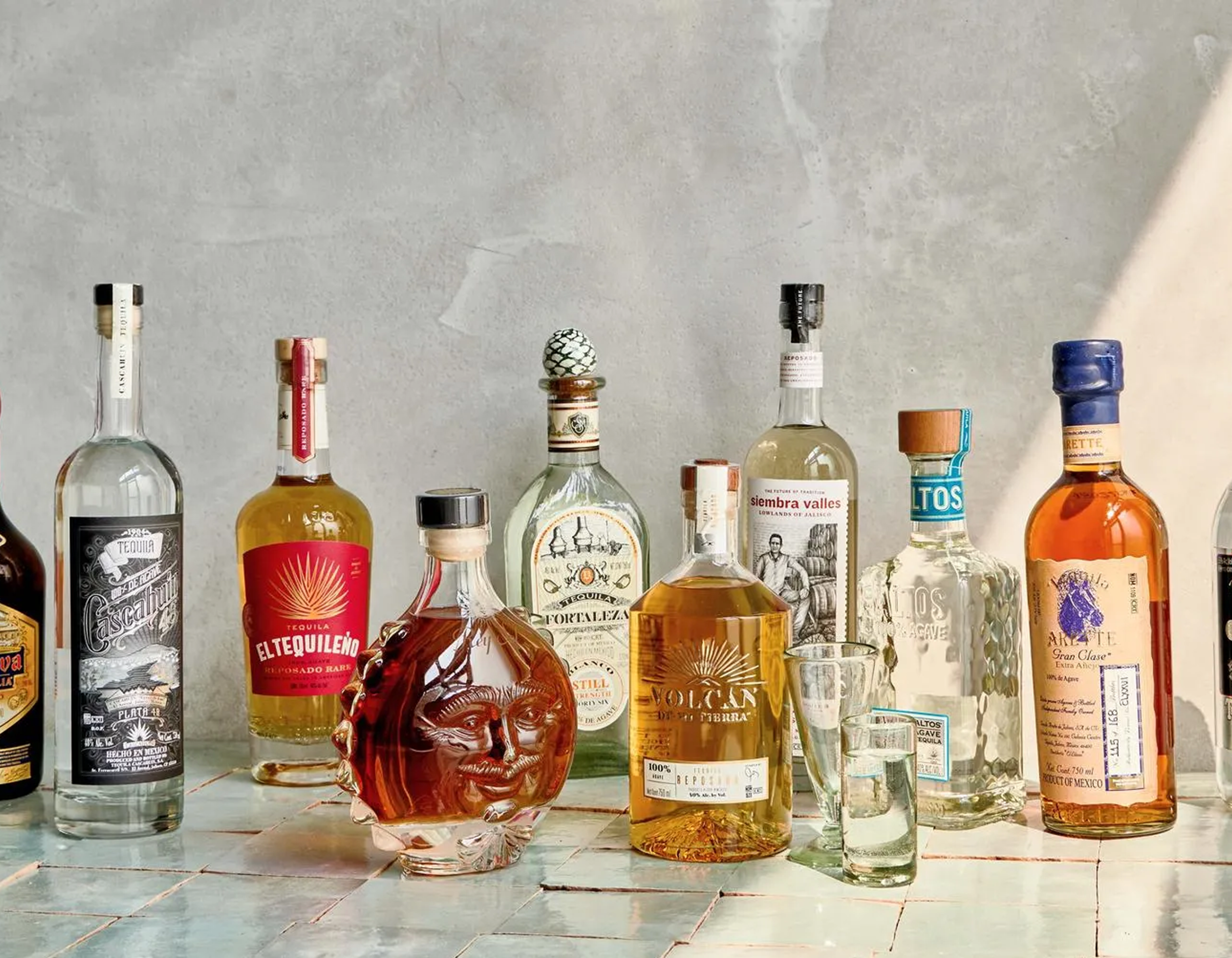
Tequila is not simply distilled. It is crafted within strict standards protected by Mexico’s Denomination of Origin. Only spirits produced in specific regions — primarily the state of Jalisco — and regulated by the Consejo Regulador del Tequila (CRT) can legally bear the name “tequila.” Every authentic bottle carries a NOM number, identifying the certified distillery where it was produced.
From agave field to barrel, each stage in the tequila production process plays a vital role in shaping the final character of the spirit.
1. The Agave Fields: Patience in the Blue Weber Plant
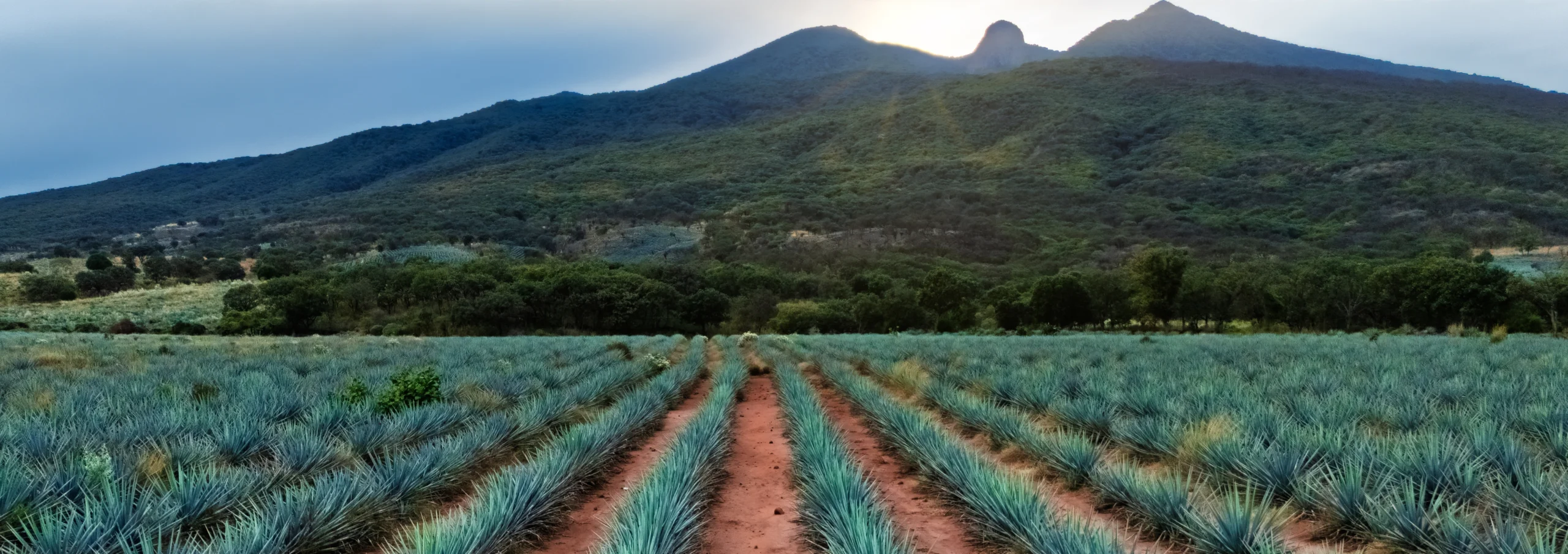
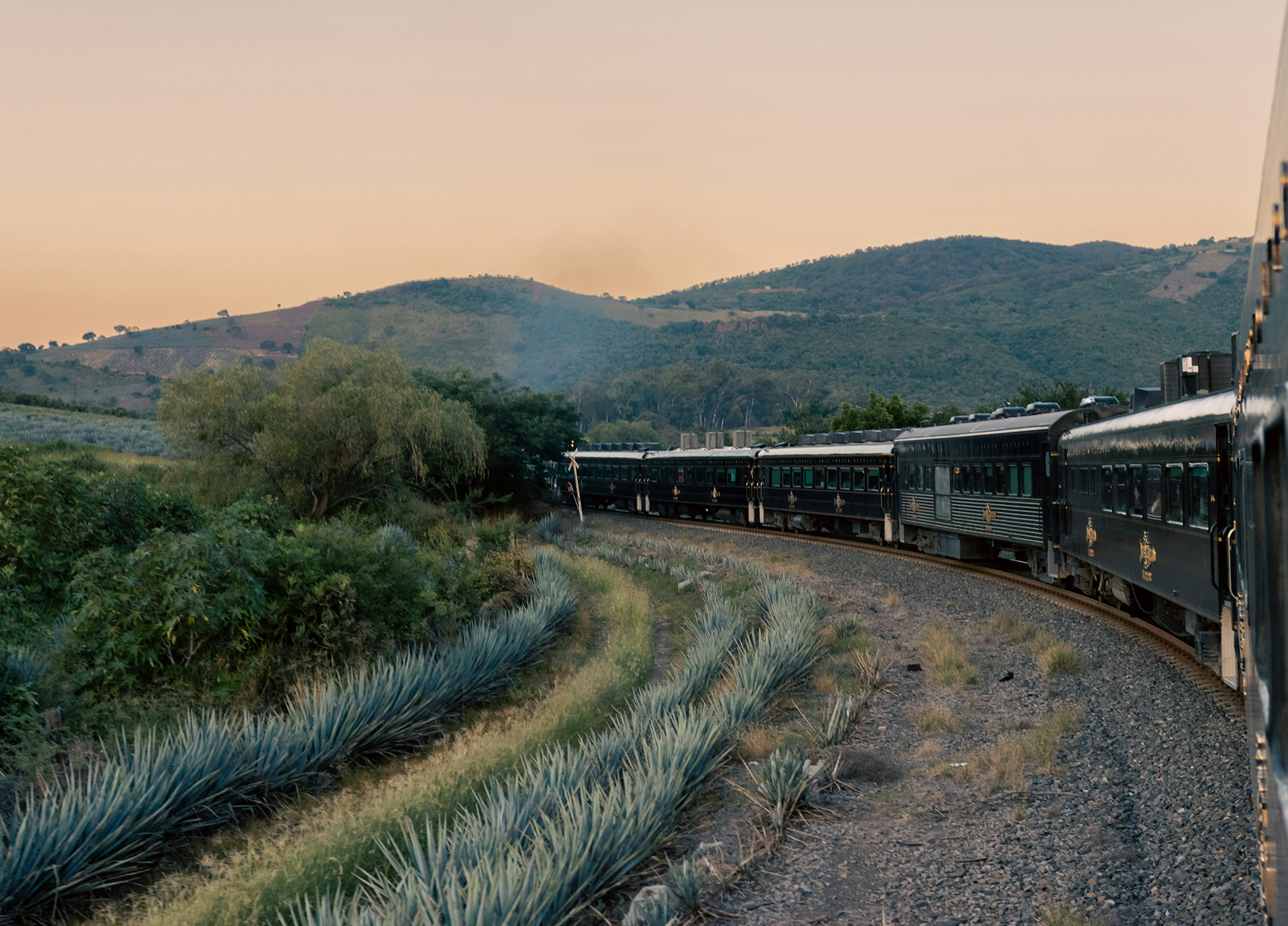
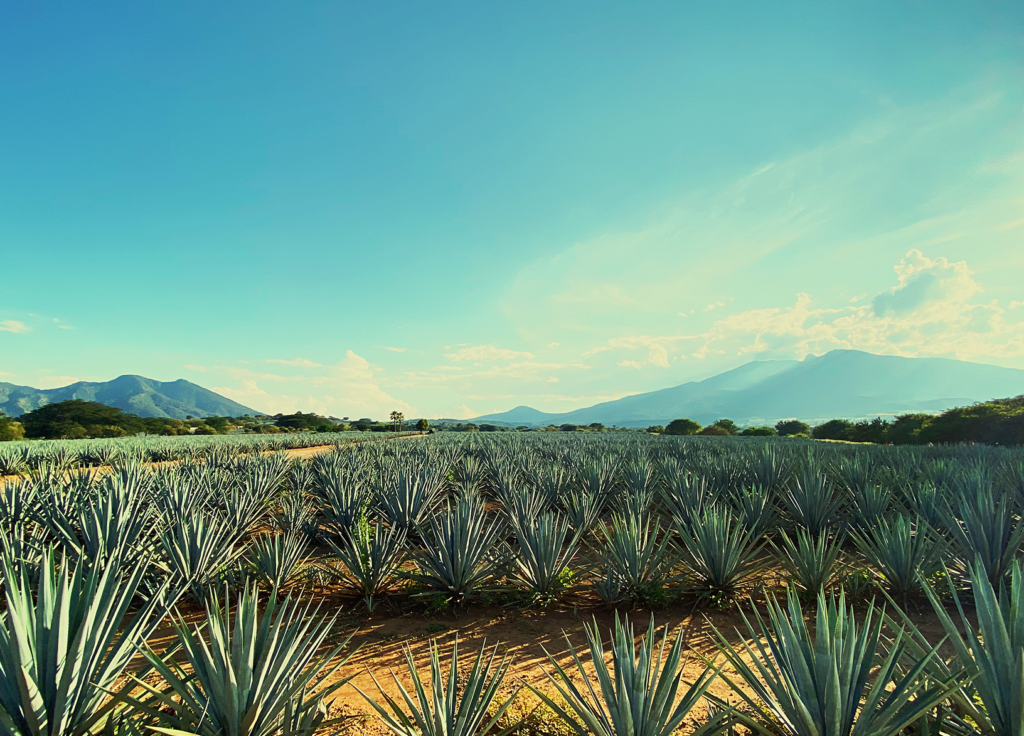
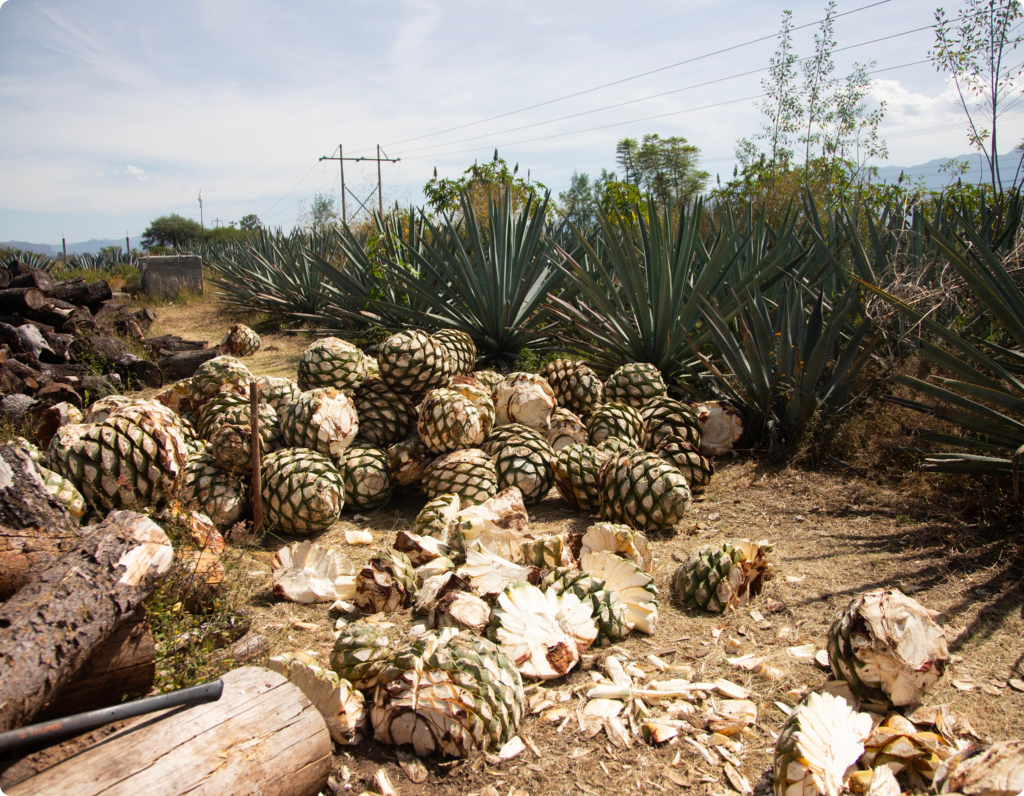
Every bottle begins in the fields, where Agave Tequilana Weber, Blue Variety, grows under the Mexican sun. Unlike grain-based spirits harvested annually, tequila demands patience. The agave plant takes between six and eight years to mature, storing natural sugars (inulin) in its core.
This is where the jimador enters the story.
A jimador is a highly skilled field worker whose primary tool — the coa (hoe), a circular-bladed instrument — is used to carefully remove the spiny leaves and reveal the piña, the heart of the agave. Harvesting goes beyond doing agricultural labor; it is precise selection. Only fully mature piñas can provide the sugar concentration required to produce premium tequila.
The timing of harvest directly influences flavor. Too early, and the agave lacks sweetness. Too late, and complexity shifts. Expertise begins in the field.
2. Cooking and Fermentation: Transforming the Heart of Agave
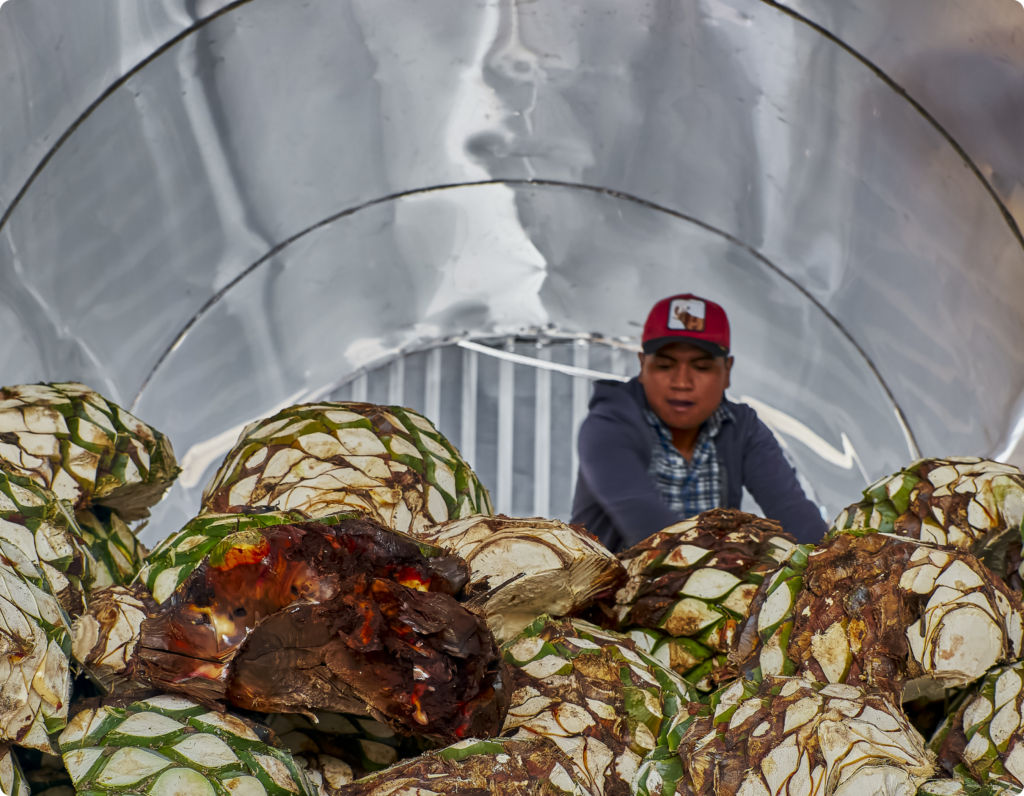
Once harvested, the piñas are transported to the distillery. Raw agave starches cannot ferment on their own, which means that heat is required to convert those complex carbohydrates into fermentable sugars.
Distillers choose between two primary cooking methods:
- Brick ovens (hornos): A slower process, often lasting up to 48 hours. Steam gently cooks the agave, typically resulting in sweeter, richer notes.
- Autoclaves: Modern high-pressure stainless-steel ovens that significantly reduce cooking time while preserving bright, herbal characteristics.
After cooking, the softened agave is crushed to extract its juice, known as mosto (must).
Then a living, breathing stage called fermentation follows, where yeast converts sugars into alcohol. Some distilleries rely on proprietary yeast strains. Others allow ambient yeasts to contribute to complexity. Temperature, environment, and timing all influence the final aroma profile.
This stage defines much of tequila’s sensory DNA. Subtle variations here can lead to noticeable differences in texture, fruitiness, or herbal intensity.
3. Distillation and Aging: Refinement Through Precision and Time
The fermented must is then distilled, typically twice, as required by regulation. Distillation separates alcohol from impurities using controlled heat.
During the second distillation, the master distiller makes precise “cuts,” separating the heads and tails from the heart, which is the purest and most refined portion of the spirit. This heart becomes tequila.
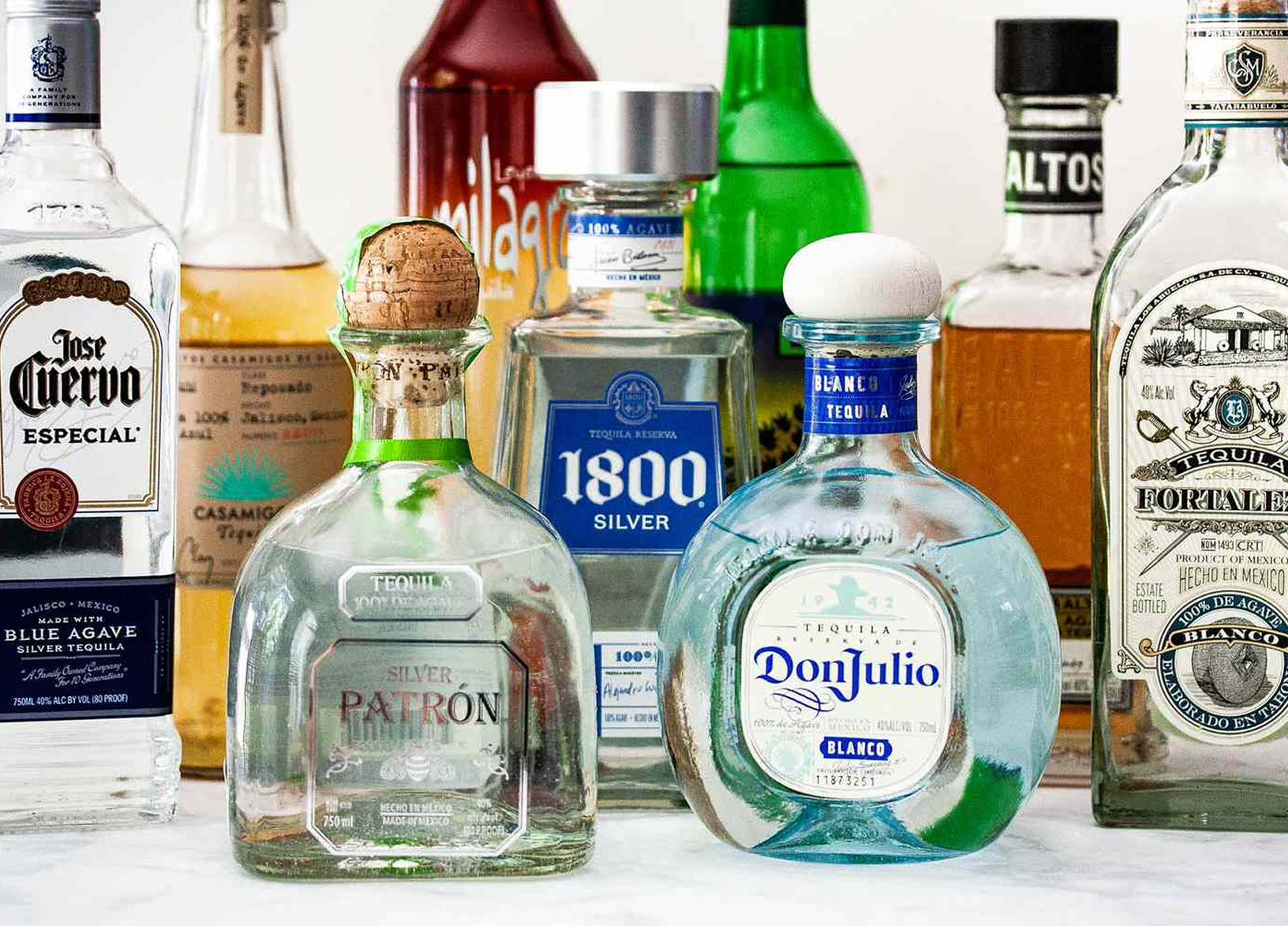
At this stage, tequila can follow different paths. Blanco tequila is usually bottled soon after distillation to preserve its fresh agave character.
Other styles enter oak barrels for maturation:
- Reposado: Aged between two months and one year.
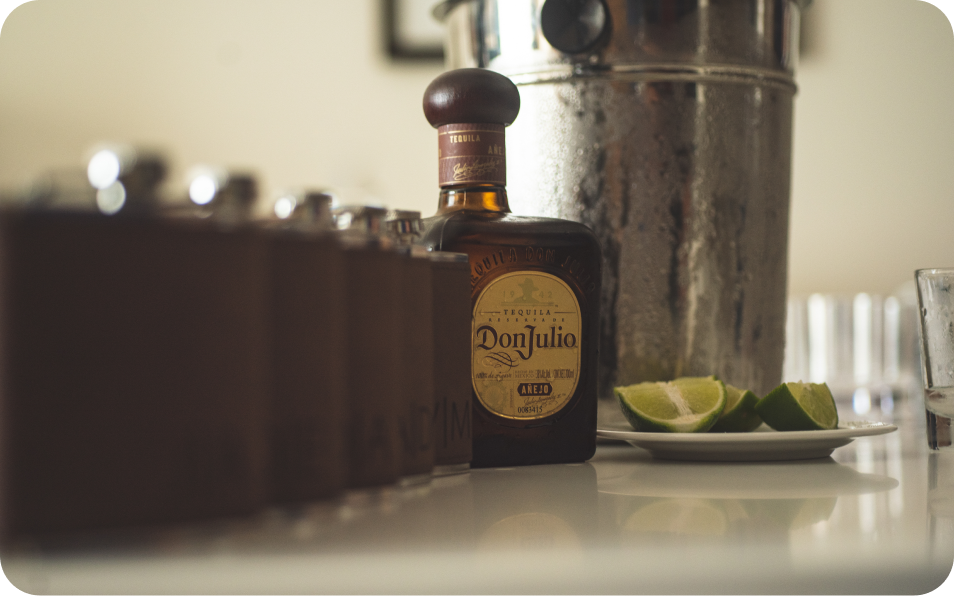
- Añejo: Aged between one and three years.
- Extra Añejo: Aged more than three years.
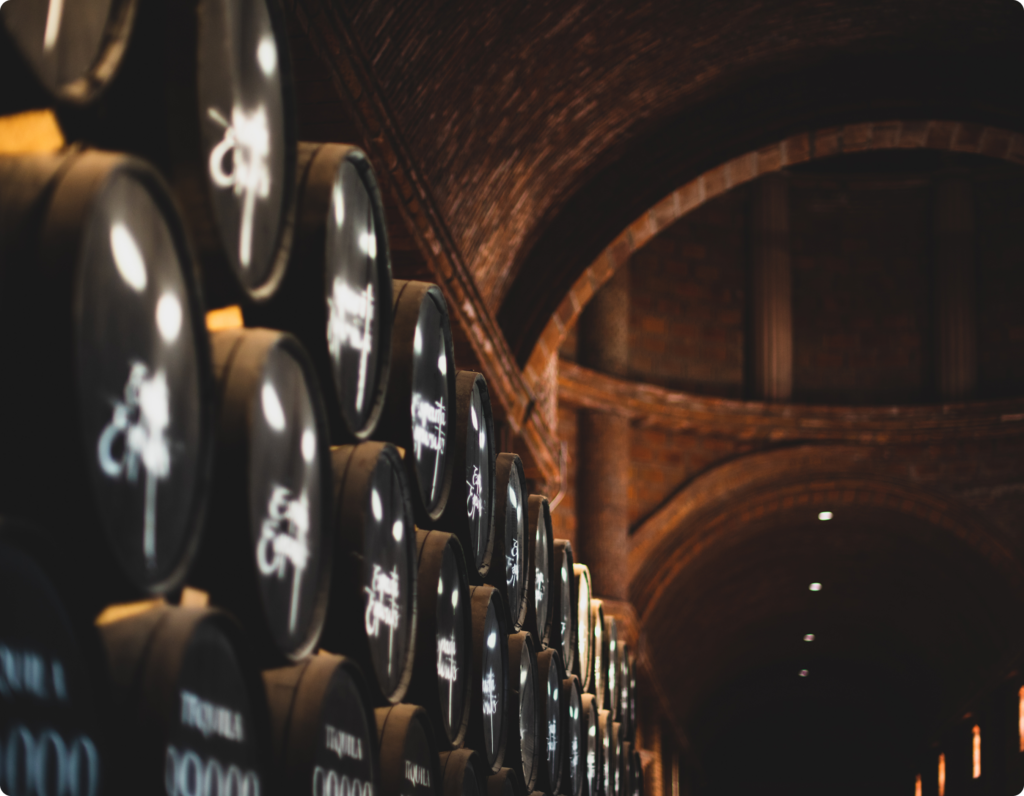
As tequila rests in oak, it undergoes subtle transformation. Color deepens. Texture softens. Aromas of vanilla, caramel, chocolate, and dried fruit may develop depending on time and barrel type.
During aging, a small portion of tequila naturally evaporates through the wood. This phenomenon, often called the “Angel’s Share,” is the quiet tribute paid to time in exchange for complexity.
Conclusion: Appreciating the Craft in Every Glass
Every bottle of tequila reflects years of agricultural labor, technical precision, and generational knowledge. From the agave fields to the still, from fermentation tanks to resting barrels, the tequila production process is a balance of science and artistry.
The next time you raise a glass, take a moment to look at the label. Notice the NOM. Consider the years spent growing the agave. Think about the careful distillation cuts and the patience of aging.
You are not just tasting a spirit. You are experiencing a craft shaped by time, tradition, and intention.
And that is what truly defines how tequila is made.