The short version
No — the relationship runs the other way. As a family of spirits, tequila is a kind of mezcal. As a matter of law, the two are separate denominations of origin with separate standards and separate regulators, and no bottle can be certified as both.
When people ask “is mezcal a type of tequila”, they usually have the hierarchy upside down. Mezcal is the broad family: any Mexican spirit distilled from agave. Tequila is one member of that family, defined by a single agave species and a specific stretch of western Mexico. So the accurate version of the question is the reverse one, and even then, the answer needs a legal footnote. For the full picture of the category, see our guide to the types of tequila.
Family Tree Versus Rulebook
Historically and botanically, tequila descends from mezcal. Agave distillation spread across Mexico long before any of it was regulated, and what became tequila was originally the mezcal made around the town of Tequila, in Jalisco. In that sense the familiar line holds: all tequila is mezcal, but not all mezcal is tequila.
Legally, though, the two are not a category and a subcategory. Tequila received its denomination of origin in 1974 — the first granted to any Mexican spirit — and mezcal received a separate one in 1994. Each has its own Mexican Official Standard and its own certifying body: NOM-006-SCFI-2012 and the Consejo Regulador del Tequila for tequila, NOM-070-SCFI-2016 and COMERCAM for mezcal. A certified bottle carries one designation or the other, never both.
That distinction is worth holding onto, because it is where most explanations of this question go wrong. “Tequila is a type of mezcal” is a true description of the spirits family. It is not a statement of Mexican law.
Two Denominations, Two Maps
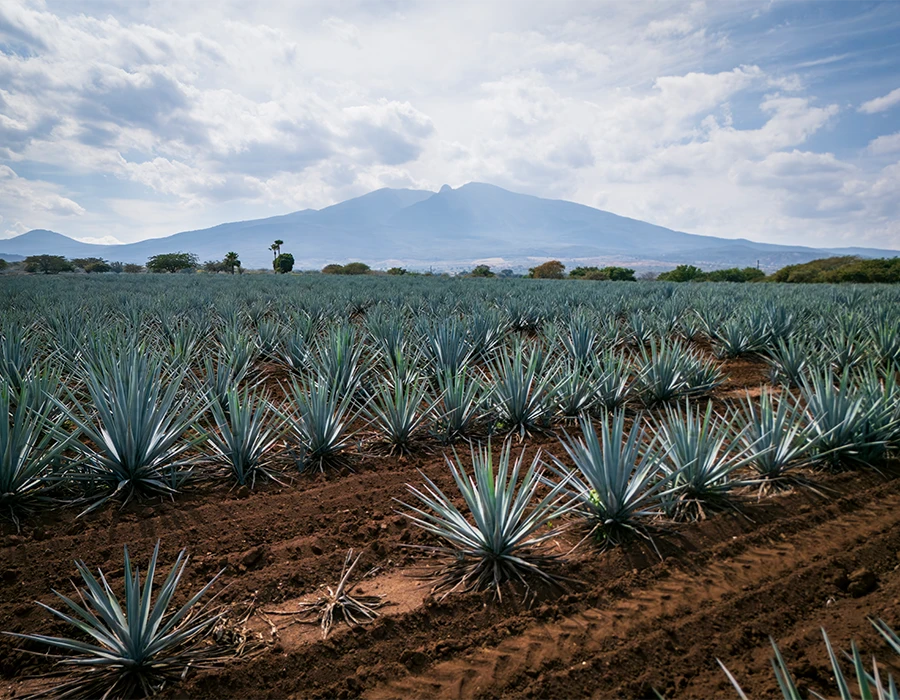
Tequila may be produced in the whole of Jalisco plus designated municipalities in Guanajuato, Michoacán, Nayarit and Tamaulipas. The mezcal denomination covers Oaxaca, Guerrero, San Luis Potosí, Zacatecas and Durango in full, along with municipalities in Guanajuato, Tamaulipas, Michoacán and Puebla; further additions have been granted and are still working through appeals, so the map is genuinely a moving one. Oaxaca alone accounts for the large majority of production.
The maps overlap. Guanajuato, Michoacán and Tamaulipas contain municipalities inside both denominations, which means the same town can legally produce either spirit. What it cannot do is sell a single bottle as both.
Three Differences That Change What Is in the Glass
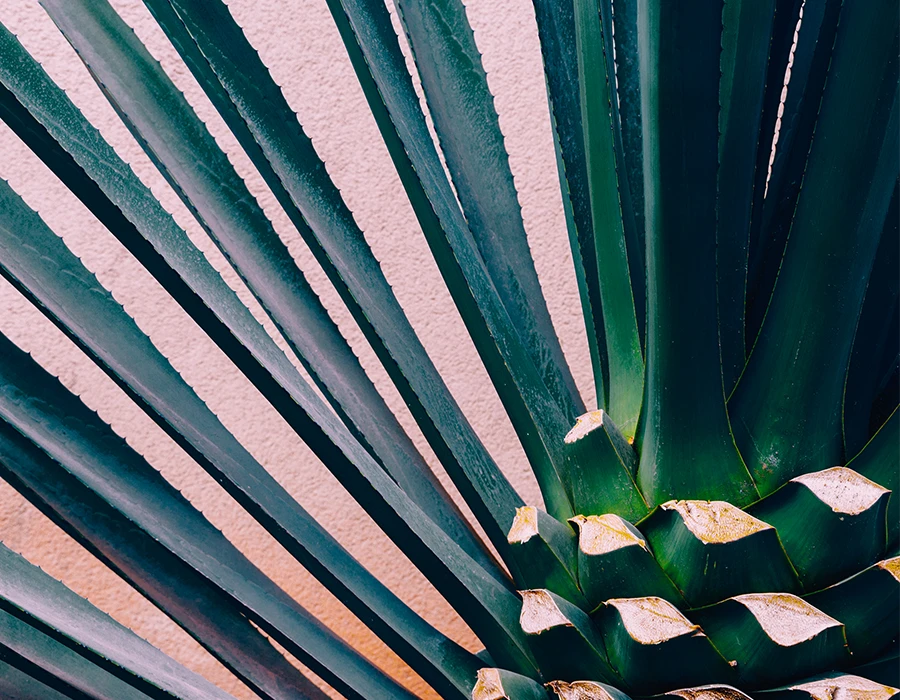
- The agave. Tequila comes from one species only: Agave tequilana Weber, blue variety. Mezcal draws on more than thirty, from workhorse espadín to slow-growing wild varieties such as tobalá, tepeztate and madrecuishe. Species is the single largest driver of flavor difference within mezcal.
- The cooking. Tequila agave is steamed in autoclaves or baked in masonry ovens, which keeps the profile clean and fruit-forward. Mezcal piñas are roasted in earthen pits lined with hot stones and fired with wood. The smoke people associate with mezcal comes from that pit, not from the plant.
- The sugar rules. This one surprises most drinkers. NOM-070 requires mezcal to be 100% agave, with no exceptions, and adding cane or corn sugar disqualifies the batch. NOM-006 permits a tequila mixto in which up to 49% of fermentable sugars come from elsewhere. Every certified mezcal is pure agave; not every tequila is.
Tequila and Mezcal Compared
| Tequila | Mezcal | |
|---|---|---|
| Standard | NOM-006-SCFI-2012 | NOM-070-SCFI-2016 |
| Regulator | Consejo Regulador del Tequila (CRT) | COMERCAM |
| Denomination granted | 1974 | 1994 |
| Agave permitted | Blue Weber only | More than thirty species |
| Cooking method | Steam autoclave or masonry oven | Wood-fired underground stone pit |
| Non-agave sugars | Permitted in mixto, up to 49% | Prohibited — always 100% agave |
| Core territory | Jalisco plus four states | Oaxaca plus eight states and counting |
Where to Start With Each
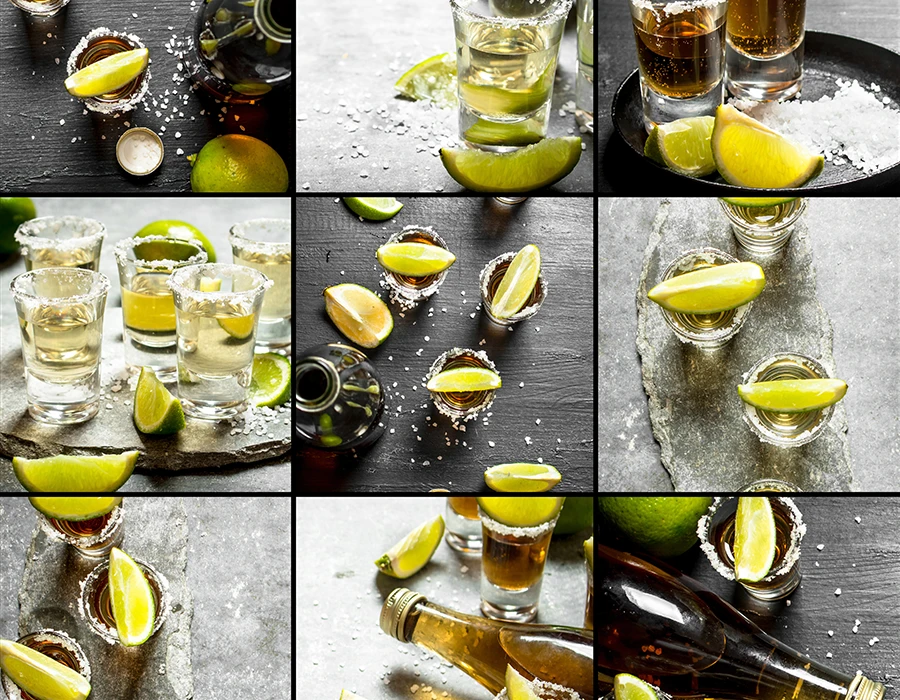
The most useful way to settle the question is to taste the two side by side. Pour a small measure of each and the family resemblance and the divergence both become obvious in a single sip.
- On the tequila side, begin with a clean blanco or a lightly rested reposado, where the cooked agave is still clearly audible. Cuervo Tradicional and Centenario both sit in that range and are easy to find.
- On the mezcal side, start with espadín, the species behind most of what reaches export markets. 400 Conejos is made in Oaxaca from 100% espadín and is built to carry smoke into cocktails without dominating them. Creyente, launched in 2016, blends espadín mezcals distilled separately in Tlacolula and Yautepec, which gives a rounder, less austere entry point.
Mezcal is traditionally met in a shallow copita and sipped slowly rather than shot. An unhurried glass, taken with something to eat, is how the spirit is designed to be experienced and how you will actually taste the difference the pit oven makes.
Frequently Asked Questions
Is mezcal a type of tequila?
No. Mezcal is the wider family of Mexican agave spirits and tequila sits inside it, so the hierarchy runs the opposite way. In regulatory terms the two are separate denominations of origin and a bottle can only carry one of them.
Is tequila a type of mezcal?
As a description of the spirits family, yes, tequila is agave distilled in Mexico, which is what mezcal means. As a matter of certification, no: tequila is governed by NOM-006 and the CRT, mezcal by NOM-070 and COMERCAM, and the two designations are mutually exclusive on a label.
Why does mezcal taste smoky when tequila does not?
Because of how the agave is cooked. Mezcal piñas roast for days in underground pits over wood and hot stones, and they absorb that smoke directly. Tequila agave is steamed or oven-baked with no contact with combustion, which is why even a heavily aged tequila reads as oaky rather than smoky.
The Takeaway
Getting this hierarchy right reframes tequila as one refined branch of a much older and wider tradition, and it explains why the two spirits behave so differently in the glass despite starting from the same plant. Once the family tree is clear, the labels — species, region, standard, oven — stop being trivia and start being a guide to what you are about to taste.
Sources
- COMERCAM — Denominación de Origen Mezcal and NOM-070-SCFI-2016
- Consejo Regulador del Tequila — NOM-006-SCFI-2012 (English)
- European Commission — Tequila geographical indication specification (OJ C 255/2016)
- Mezcalistas — 400 Conejos brand profile
- Mezcal Reviews — Creyente Joven tasting notes and production