Few spirits are as closely tied to a nation’s identity as tequila is to Mexico. Understanding the origin of tequila is not simply about identifying a date or a distillery. It is about tracing a cultural evolution that began centuries before the word “tequila” existed.
The history and origin of tequila begin with agave, ritual fermentation, colonial distillation, and the shaping of a regional identity that would eventually become one of the most protected spirits in the world. To explore the country of origin of tequila and the specific region of origin of tequila, we must travel back to pre-Hispanic Mexico, long before the first tequila of the world was ever bottled.
Origins of Tequila
Before Tequila: The Agave Legacy
[IMAGE]
Long before distillation arrived in the Americas, Indigenous civilizations in what is now Mexico fermented agave sap to produce pulque, a sacred ceremonial beverage.
When Spanish colonizers arrived in the 16th century, they brought distillation techniques. Historical research suggests Filipino sailors, arriving via the Manila Galleon trade route, may also have influenced early distillation methods in western Mexico.
The fusion of Indigenous agave knowledge and European distillation technology laid the foundation for what would eventually become tequila.
The First Licensed Producers
[IMAGE]
By the 17th century, distillation of agave spirits was already established in the region surrounding the town of Tequila, in present-day Jalisco.
- In 1758, the Spanish Crown granted land to the Cuervo family.
- In 1795, Jose Cuervo received the first official license to commercially produce and distribute tequila.
- In the 1870s, Sauza Tequila, founded by Cenobio Sauza, began exporting tequila to the United States, helping shape its global future.
While small-scale production existed earlier, these milestones mark the formal commercialization of tequila.
For many historians, this period defines the emergence of what could be considered the first tequila of the world in its recognizable form.
For further historical context, the Consejo Regulador del Tequila (CRT) provides documentation on tequila’s protected designation and early development: https://www.crt.org.mx/
A Visual Timeline of Tequila’s Early History
| Period | Milestone | Significance |
| Pre-1500s | Fermented agave (pulque) | Indigenous agave cultivation & fermentation |
| 1600s | Early distillation in Jalisco | Birth of agave spirits |
| 1758 | Cuervo land grant | Formalized production |
| 1795 | First commercial license | Official tequila authorization |
| 1873 | Sauza exports to the U.S. | International expansion |
| 1974 | Denomination of Origin | Legal protection of tequila |
In 1974, Mexico officially established the Denomination of Origin for Tequila, legally defining the region of origin of tequila and protecting it internationally.
According to Mexican law, tequila can only be produced in:
- The state of Jalisco
- Select municipalities in Guanajuato
- Michoacán
- Nayarit
- Tamaulipas
This protected territory defines the official country of origin of tequila — Mexico — and safeguards its production standards.
For legal reference, see the Mexican Institute of Industrial Property (IMPI): https://www.gob.mx/impi
Evolution of Tequila
From Regional Spirit to International Symbol
[IMAGE]
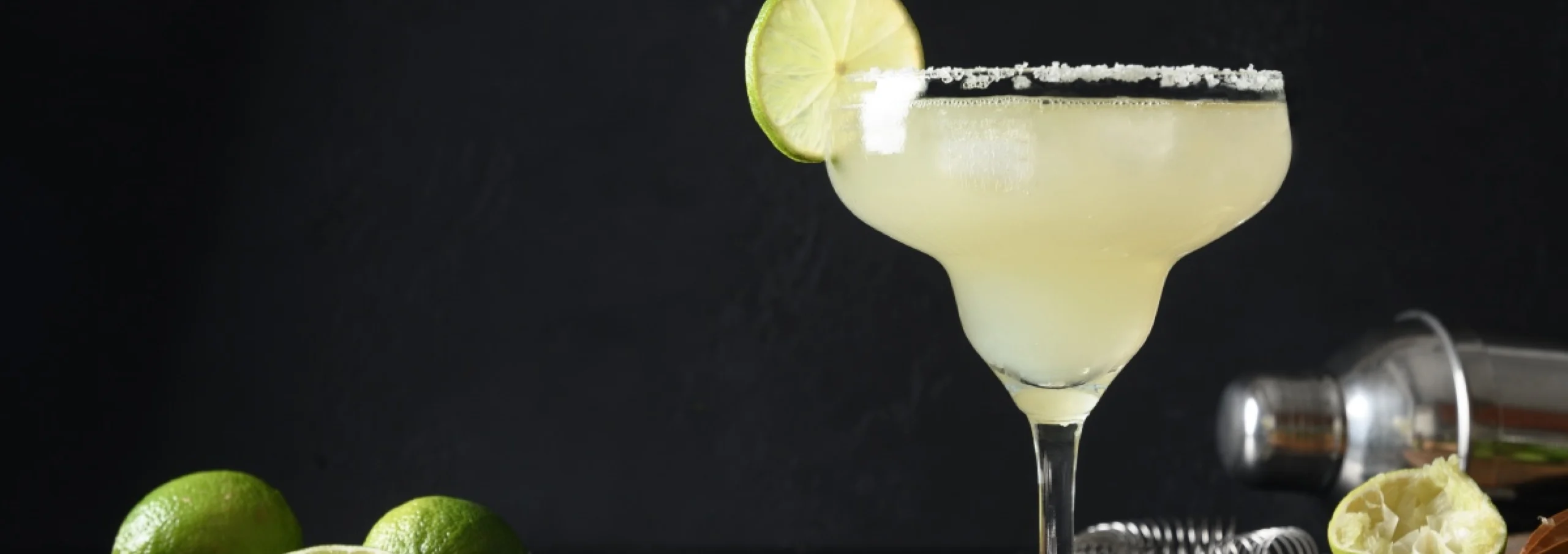
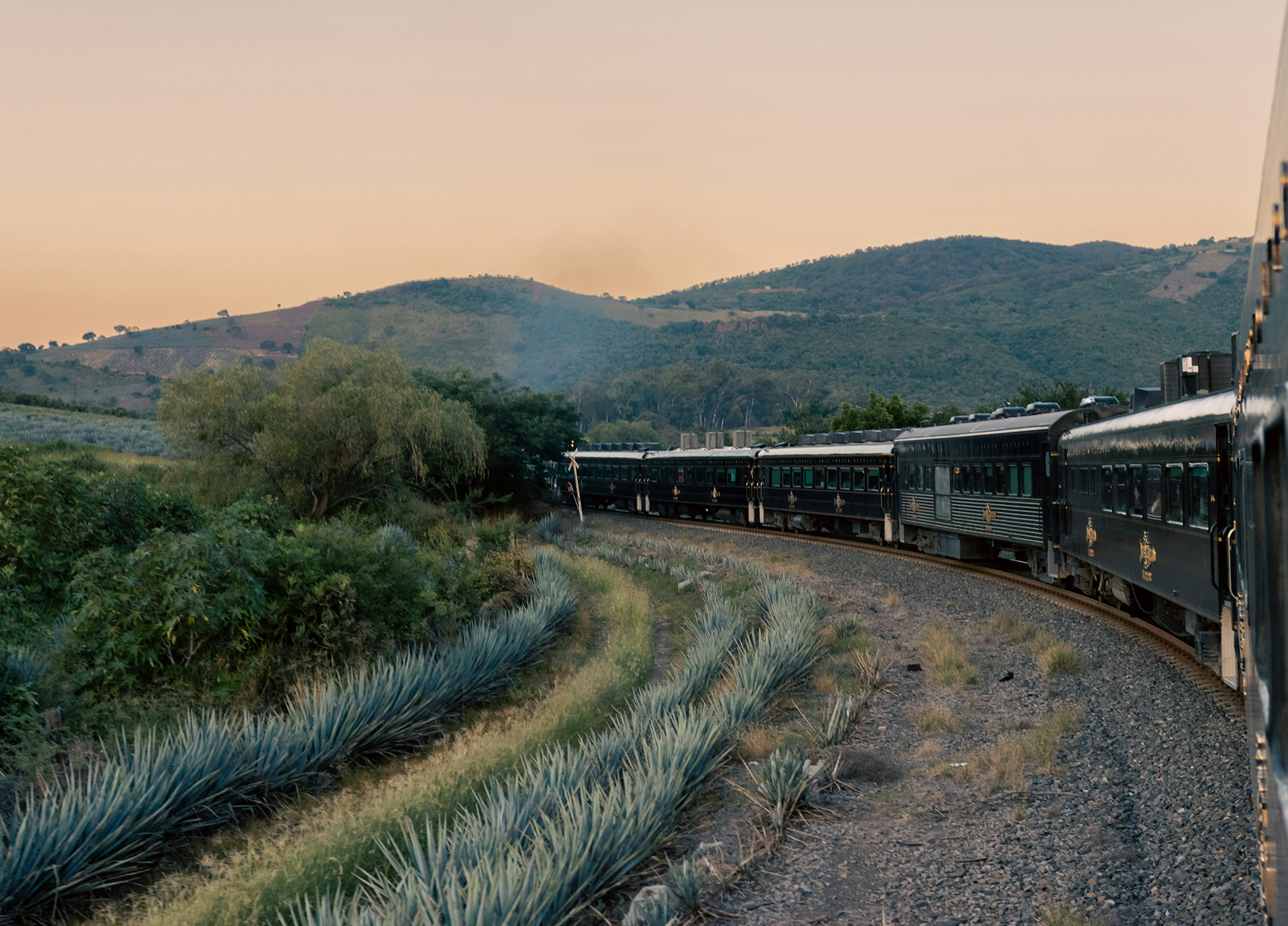
In the late 19th and early 20th centuries, railroads accelerated tequila’s distribution within Mexico. By the mid-20th century, cocktails such as the Margarita introduced tequila to American audiences.
During Prohibition in the United States (1920–1933), cross-border travel increased tequila’s popularity. By the 1970s and 1980s, tequila had become firmly established in global markets.
However, for decades it was often misunderstood and consumed quickly rather than appreciated.
Regulation and Quality Control
The 20th century also brought structure:
- Creation of official production standards (Norma Oficial Mexicana, NOM)
- Establishment of the Consejo Regulador del Tequila (CRT) in 1994
- Strict controls on agave cultivation and distillation
These measures elevated tequila from a regional spirit to a regulated agricultural product with international recognition.
Tequila Today
[IMAGE]
Today, tequila stands as both cultural heritage and agricultural craftsmanship.
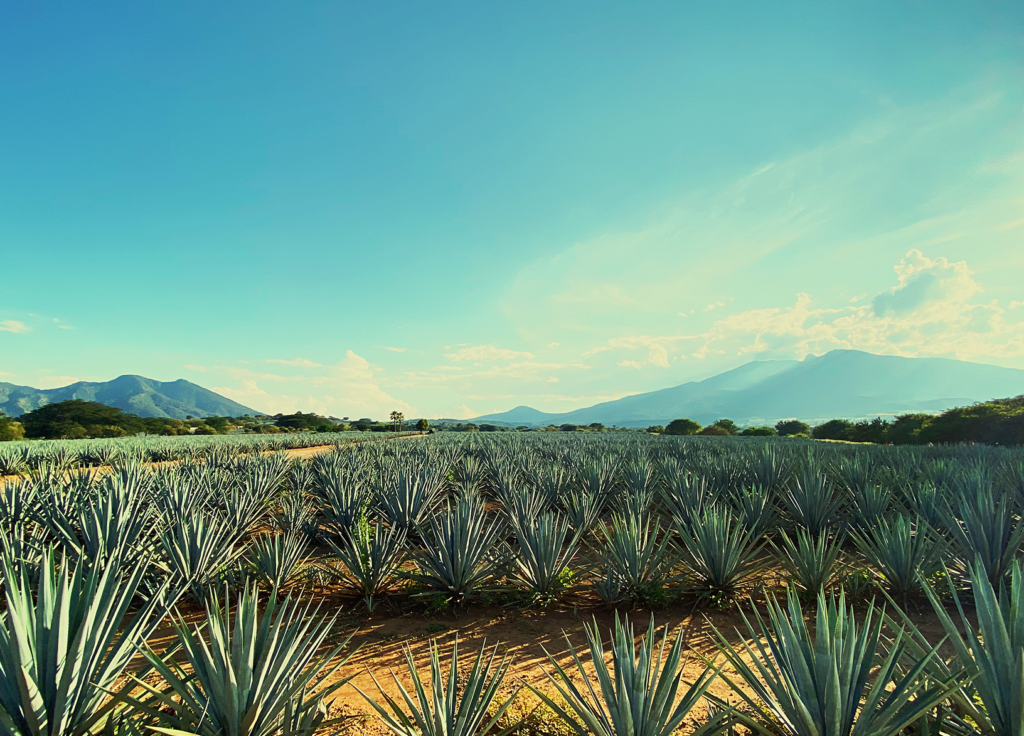
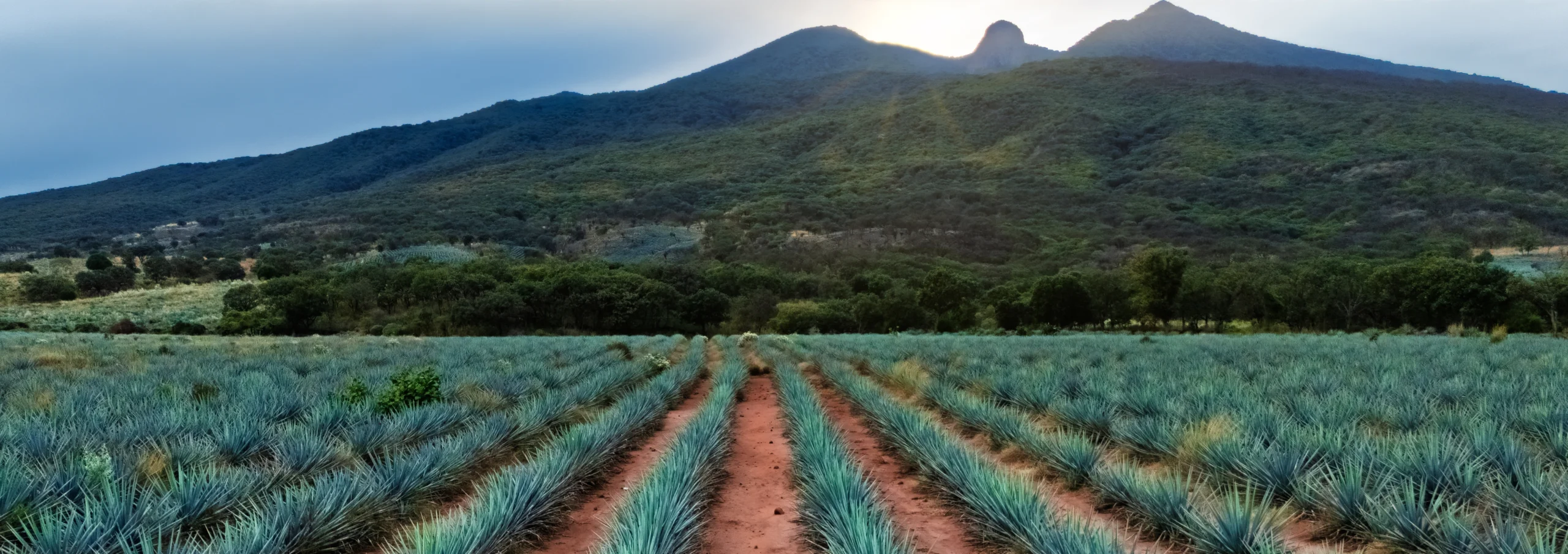
The blue agave — Agave tequilana Weber var. azul — grows for 6–8 years before harvest. Production remains deeply tied to traditional practices:
- Slow-cooking agave piñas
- Natural fermentation
- Copper or stainless-steel distillation
- Barrel aging for reposado, añejo, and extra añejo styles
While innovation continues — including techniques like filtration for cristalino expressions — tequila’s identity remains rooted in its place of origin.
The agave fields and historic distilleries of Jalisco were designated a UNESCO World Heritage Site in 2006, reinforcing tequila’s cultural significance: https://whc.unesco.org/en/list/1209/
The Enduring Origin of Tequila
The origin of tequila is not a single invention moment, but a layered evolution:
- Indigenous agave culture
- Colonial distillation
- Regional identity in Jalisco
- Commercialization by pioneering families
- Legal protection as a Denomination of Origin
To understand tequila fully is to recognize that it belongs to a specific landscape, climate, and community.
Its story continues — but always from the same soil.
Sources
- Rodríguez-Vera, D., Rivera Pérez, R., Arciniega-Martínez, I. M., Soriano-Ursúa, M. A., Reséndiz-Albor, A. A., Magdaleno-Durán, F., García-Machorro, J., & Morales-González, J. A. (2025). Pulque: Beverage Transcending Historical Boundaries. Histories, 5(3), 41. https://doi.org/10.3390/histories5030041
- Acabado, S. (2025), Filipino sailors dock in Mexico … and help invent tequila? https://theconversation.com/filipino-sailors-dock-in-mexico-and-help-invent-tequila-258166