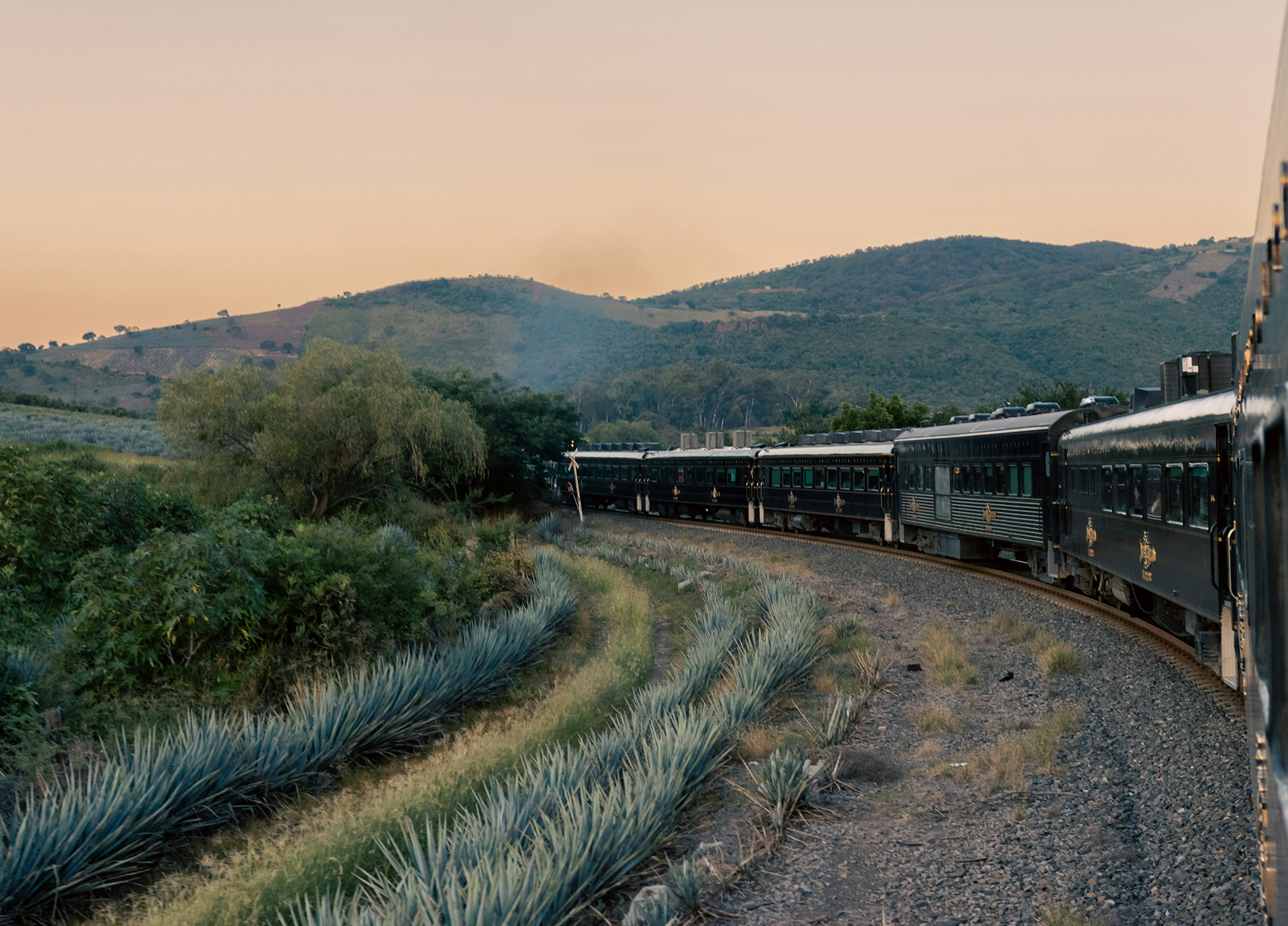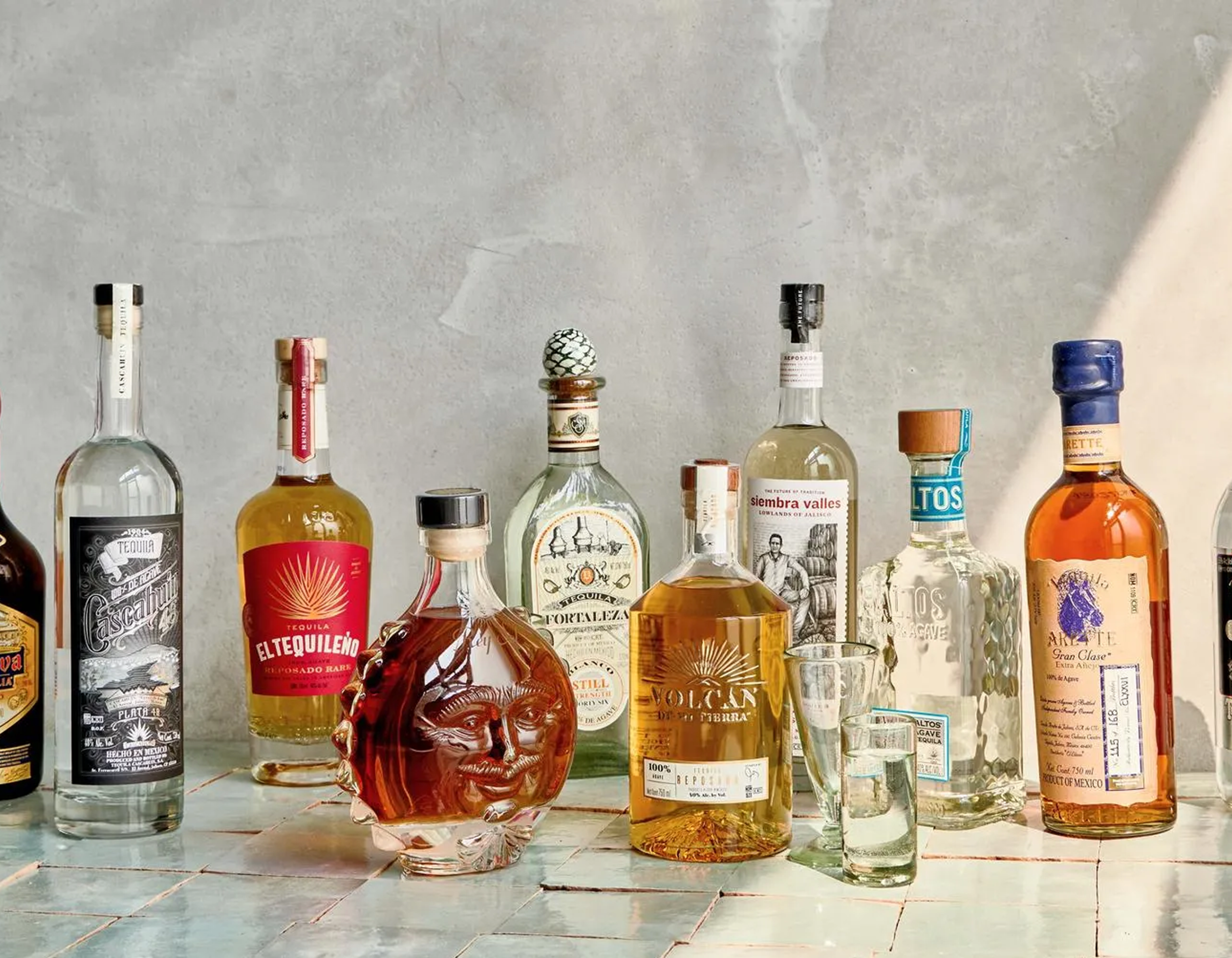
Tequila is far more than Mexico’s most iconic spirit. It’s a liquid expression of identity that has traveled from the blue horizons of Jalisco to some of the most refined cocktail bars in the United States and beyond. Each bottle carries a story of patience, fire, craftsmanship, and pride.
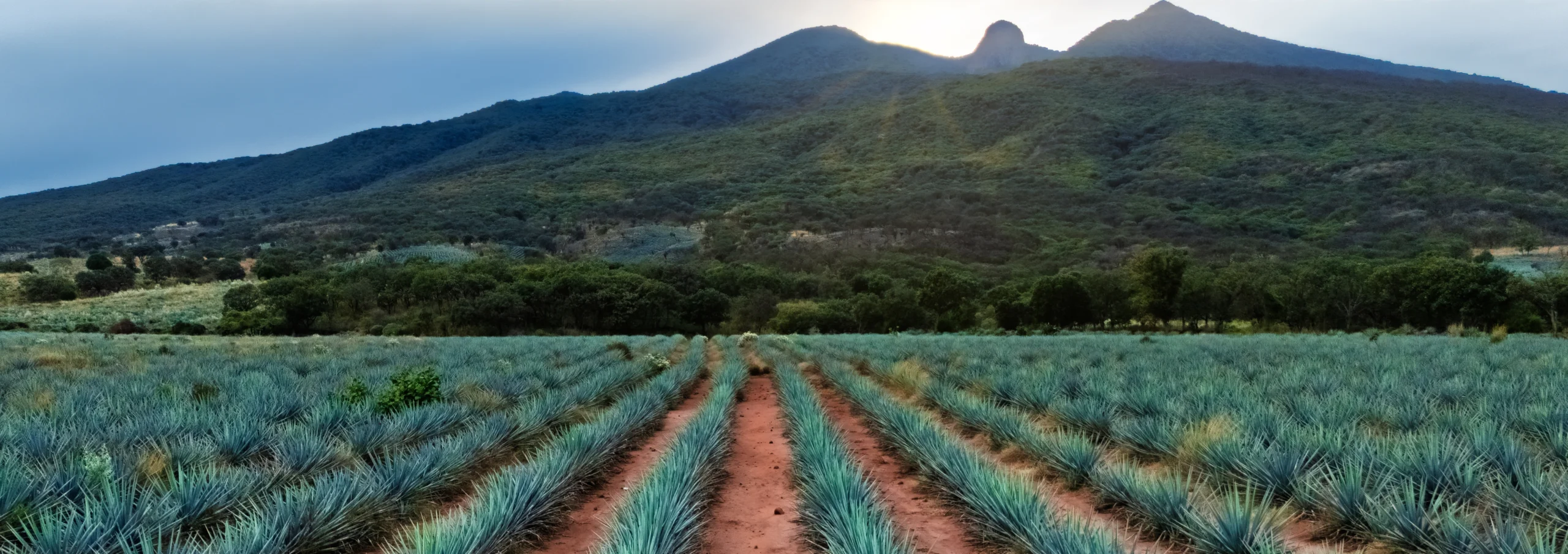
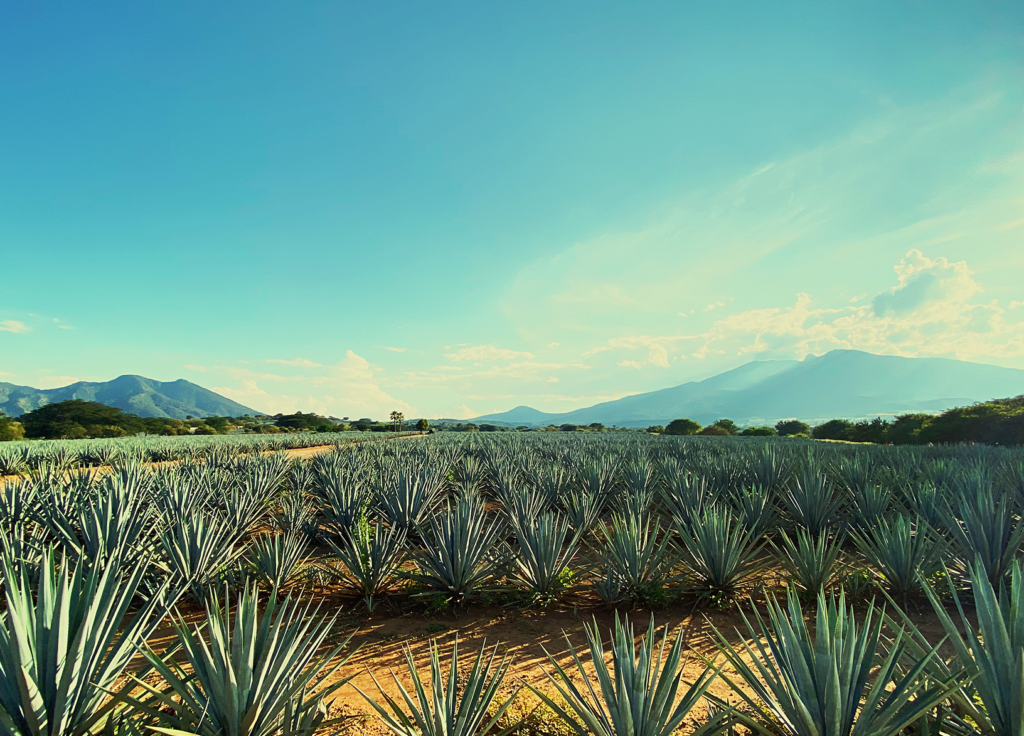
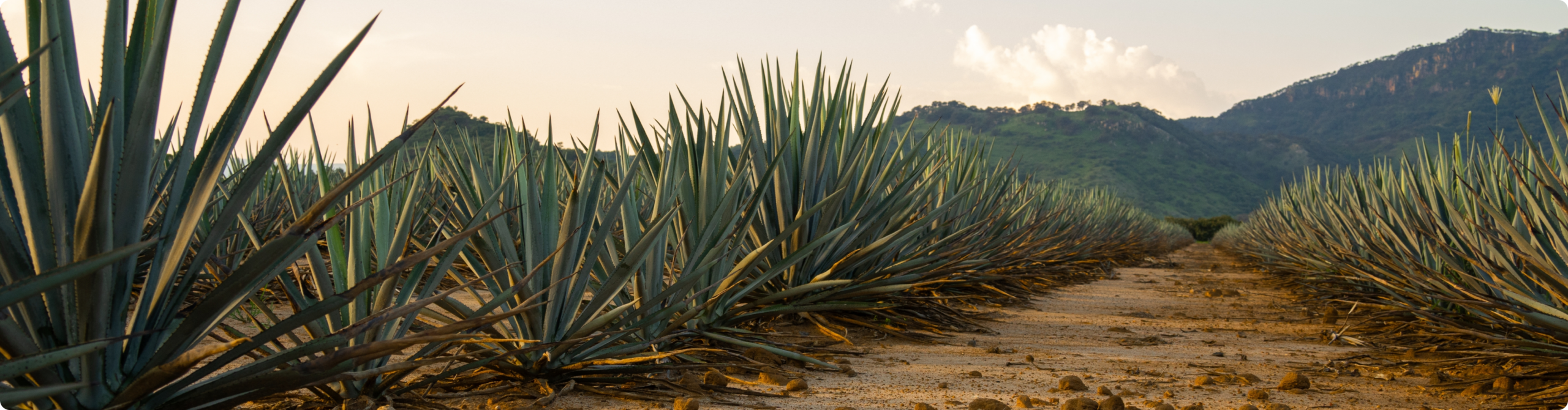
To truly understand tequila, we must begin at its origin: Agave Tequilana Weber, Blue Variety. This singular plant absorbs sunlight and minerals from volcanic soil for six to ten years before it is harvested. Only then does its transformation begin.
Understanding tequila types means understanding time and wood. The way tequila interacts with aging, oak, and oxygen defines its character, texture, and voice.
Under Mexican law, regulated by the Consejo Regulador del Tequila (CRT), tequila categories are clearly defined based on maturation periods. These standards ensure consistency, authenticity, and protection of the Denomination of Origin. Within that framework, however, artistry takes over.
Let’s explore the different types of tequila, from the purest expression of agave to the most complex aged styles.
Tequila Blanco: The Pure Expression of Agave
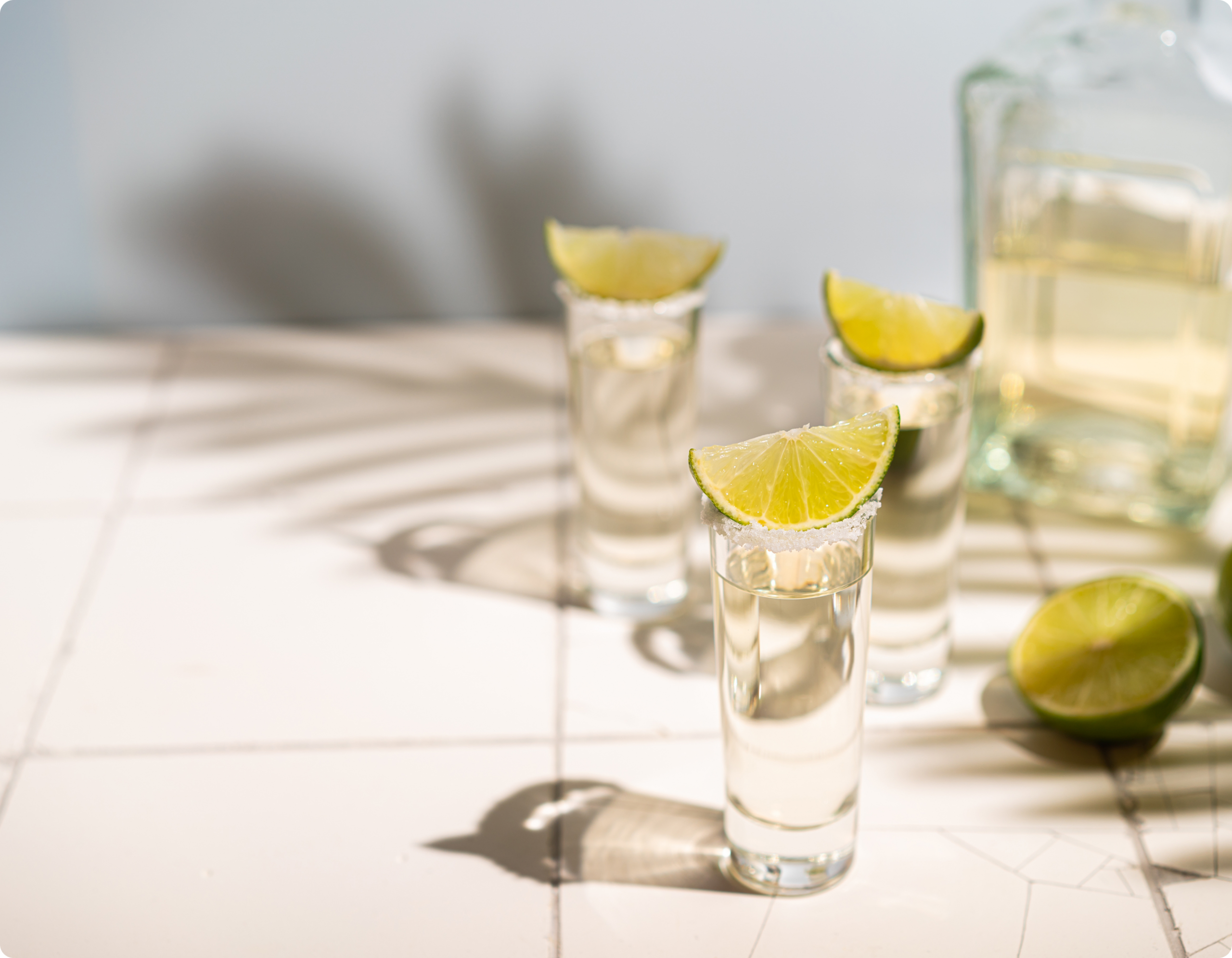
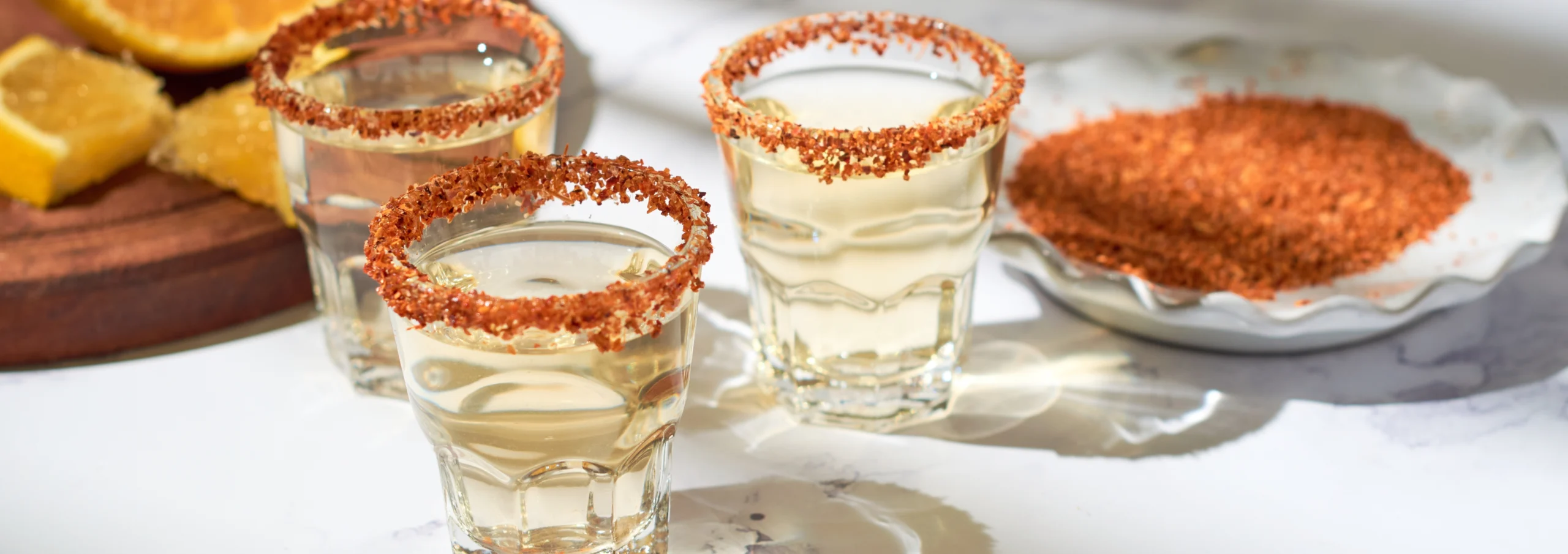
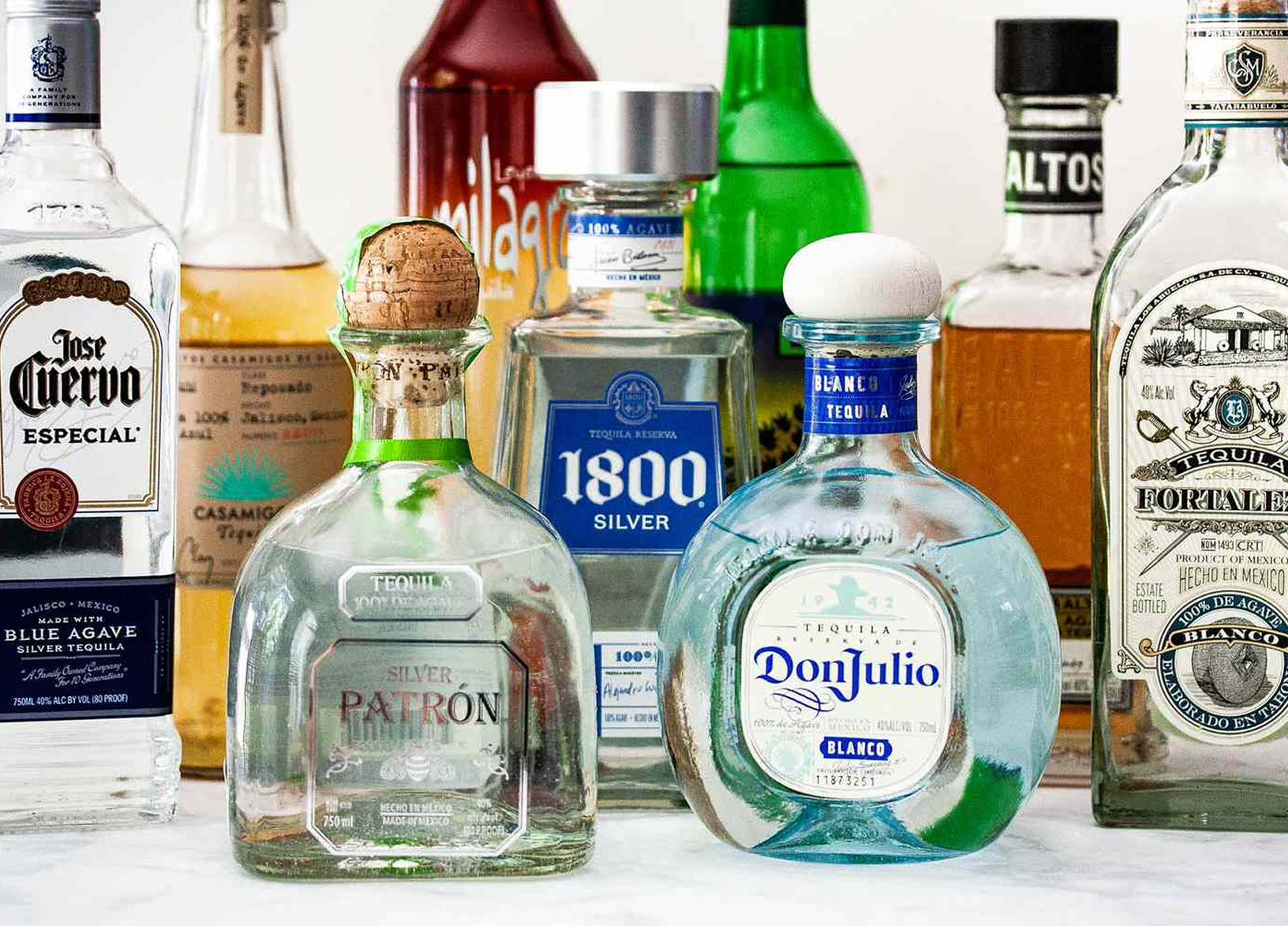
Blanco tequila (sometimes labeled silver or plata) is the most transparent and unfiltered expression a master distiller can offer. There is no oak to soften it, no aging to reshape it. What you taste is agave, direct and unmasked.
After distillation, blanco tequila is either bottled immediately or rested for no more than 60 days in stainless steel or neutral containers. Legally, it does not undergo barrel aging.
Sensory Experience
Raise a glass and you’ll find vibrant aromas of cooked agave, bright citrus zest, and fresh herbal notes reminiscent of rain-soaked earth. On the palate, it is crisp and lively, often finishing with subtle black pepper, minerality, and clean heat.
Blanco is where distillation technique is most exposed. If you want to evaluate the quality of a tequila brand, start here — there is nowhere for flaws to hide.
When to Enjoy It
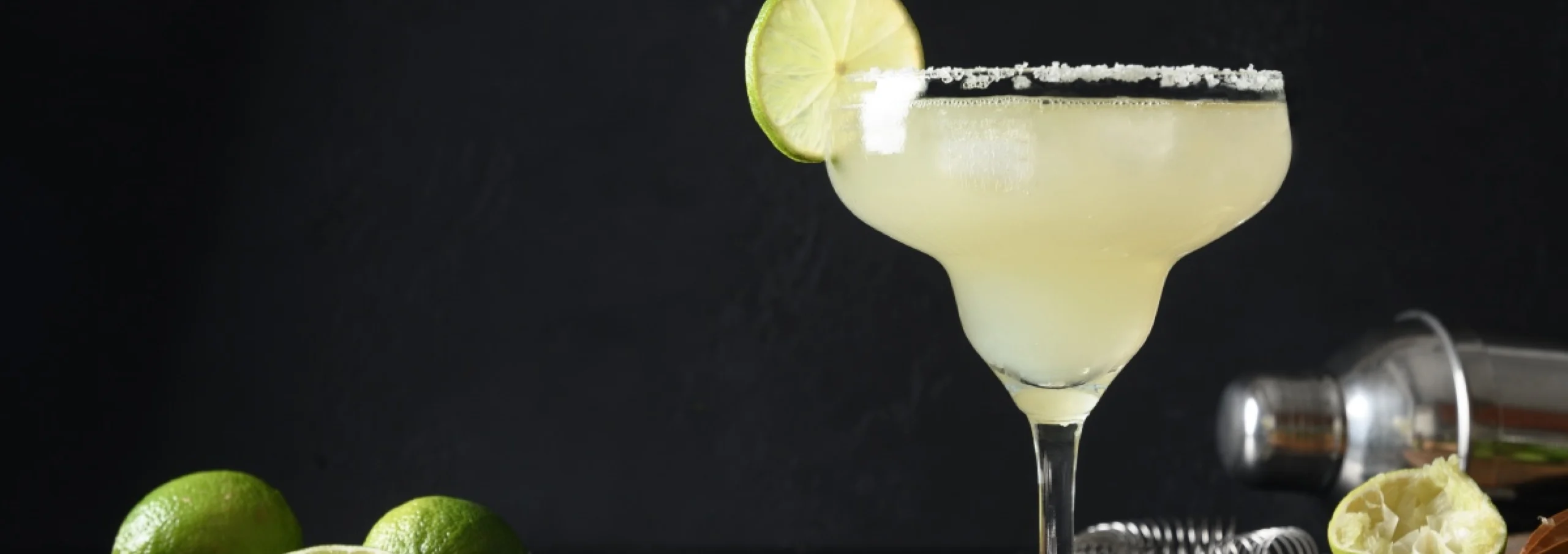
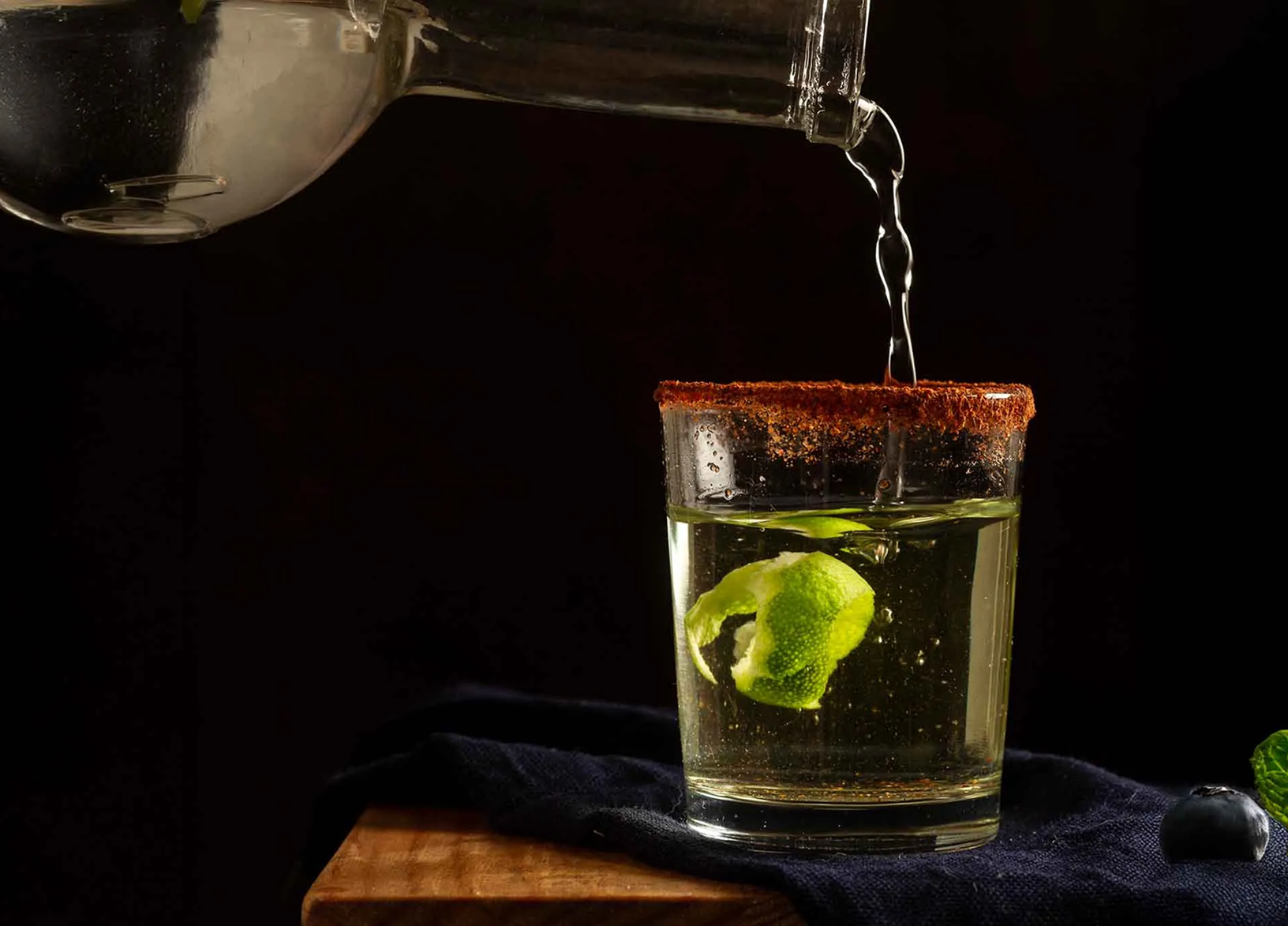
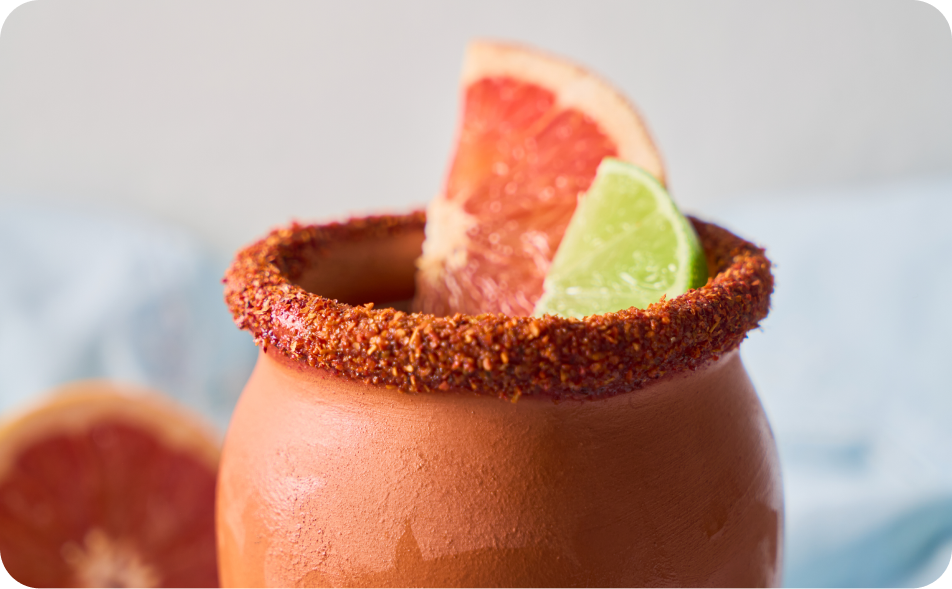
In the United States, blanco tequila is the backbone of modern craft cocktail culture. Margaritas, Palomas, Ranch Waters — all rely on blanco’s structure and brightness.
But beyond cocktails, many tequila purists now sip high-quality blancos neat. Served at room temperature in a proper tasting glass, it offers a direct connection to the agave fields of Jalisco.
Reposado: The Balance Between Agave and Oak
Reposado means “rested,” and by regulation, this tequila must age in oak barrels for a minimum of two months and up to one year.
This is where transformation begins. The intensity of blanco softens as the spirit interacts with wood. Oak rounds the edges and introduces new aromatic layers while allowing the agave core to remain present.
Sensory Experience
Reposado typically displays a light golden hue or soft straw color. Aromas of vanilla, gentle caramel, butter, and toasted nuts weave into the citrus and herbal foundation of agave.
On the palate, it feels smoother and more layered than blanco, often offering subtle baking spices and a warmer finish.
When to Enjoy It
In Mexico, reposado is often associated with after-dinner conversation — a slow moment shared among friends.
In the U.S., it has become a favorite among whiskey drinkers exploring tequila for the first time. It bridges two worlds: vibrant agave freshness and the comforting familiarity of oak influence.
Reposado is versatile. It’s elegant enough to sip neat and structured enough to elevate more complex cocktails that call for depth.
Añejo: The Sophistication of Time
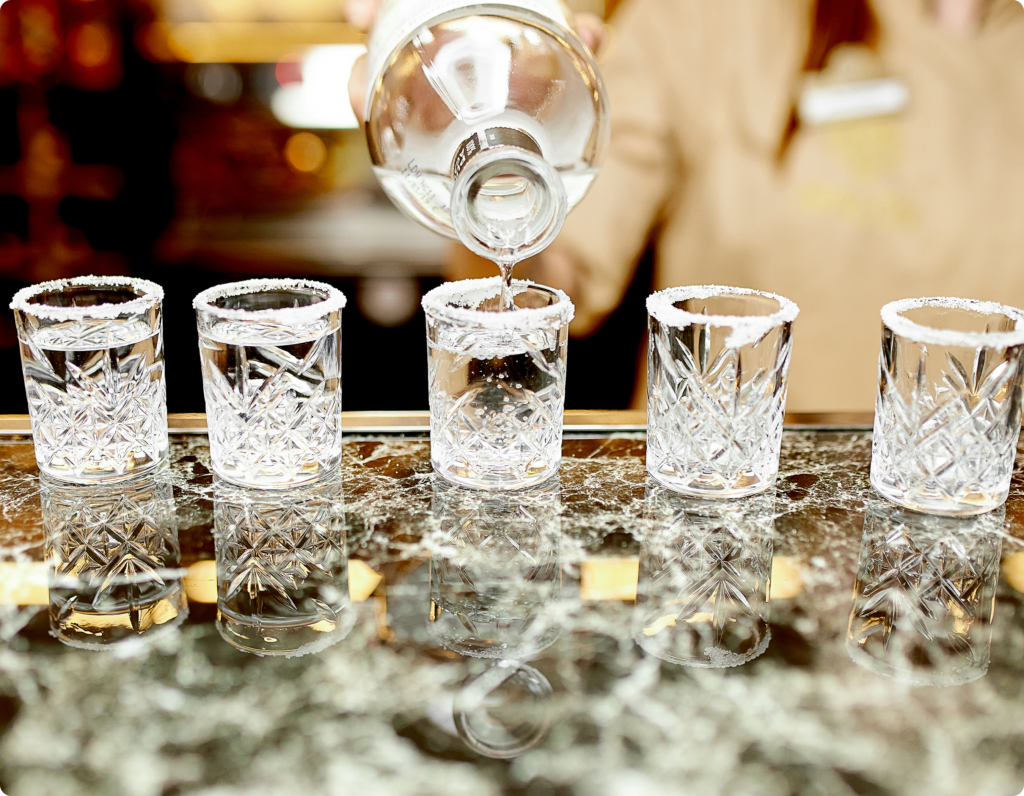
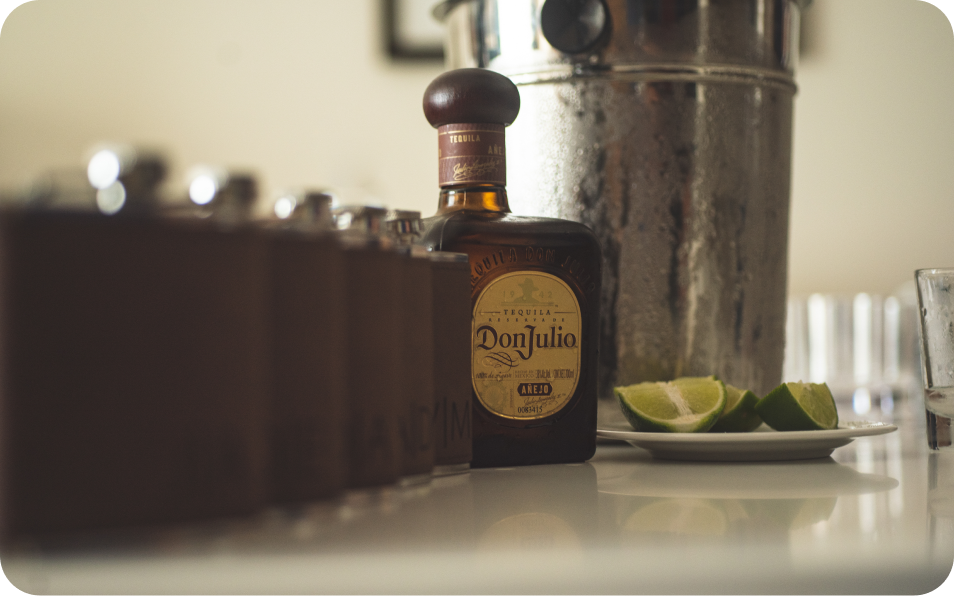
Añejo tequila must age in oak barrels for a minimum of one year and up to three years, according to Mexican regulations. At this stage, wood is no longer a supporting actor but rather becomes a defining influence.
The barrel reshapes the spirit’s texture, color, and aromatic structure, creating a profile that often invites comparison to aged rum or whiskey. Nonetheless, its agave core remains distinct.
Sensory Experience
Deep amber in color, añejo tequila offers a silky mouthfeel. Cooked agave lingers beneath layers of dark chocolate, burnt caramel, roasted coffee, dried fruit, and warm spices like cinnamon and clove.
The finish tends to be long, contemplative, and structured.
When to Enjoy It
An añejo is rarely rushed. It’s best enjoyed slowly, in a proper glass that allows oxygen to open its aromatics.
In the U.S., añejo has found a home among collectors and fine spirit enthusiasts who appreciate nuanced aging. It pairs beautifully with dark chocolate or simply with meaningful conversation.
This is tequila shaped by patience.
New Frontiers: Extra Añejo and Cristalino
Tequila continues to evolve.
Extra Añejo
Introduced as an official category in 2006, extra añejo tequila must age for more than three years in oak barrels. These expressions often display remarkable depth, concentration, and wood influence.
Collectors value them for their complexity and aging precision. They often feature pronounced notes of oak, dried fruit, spice, and structured tannins while still carrying the unmistakable signature of agave.
Cristalino
Cristalino represents innovation within tradition. Typically made from aged tequila (reposado or añejo), cristalino undergoes filtration — often through activated charcoal — to remove color while retaining much of its matured flavor profile.
The result? A spirit with the visual clarity of blanco but the rounded texture and aromatic maturity of an aged tequila.
Cristalino has become one of the most dynamic trends in the U.S. premium tequila market, offering a bridge between tradition and modern refinement.
Conclusion: Choosing with Knowledge
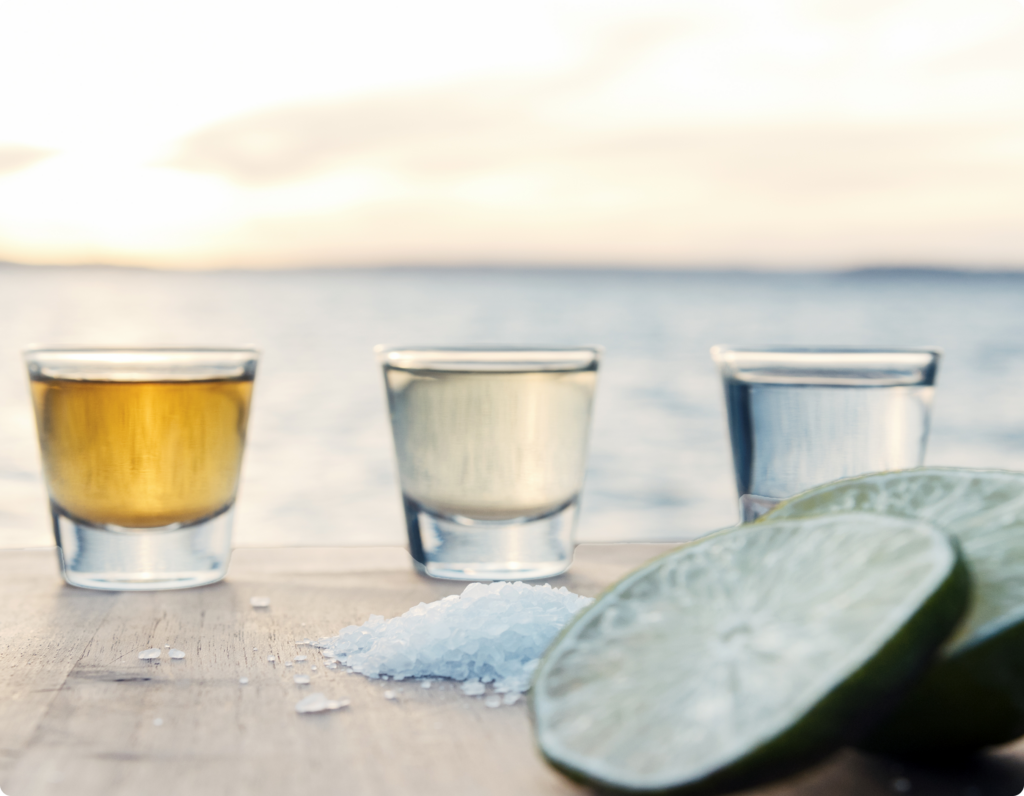
Exploring the different types of tequila is more than understanding aging categories. It’s recognizing how geography, climate, soil, craftsmanship, and regulation intersect in a single glass.
Each category — blanco, reposado, añejo, extra añejo, cristalino — tells a different chapter of the agave story.
The next time you’re choosing a bottle, pause for a moment. Are you seeking vibrancy and purity? Balance and warmth? Or the layered complexity that only time can sculpt?
Understanding tequila types allows you to choose intentionally. Not just by label, but by experience.
And that is where true appreciation begins.