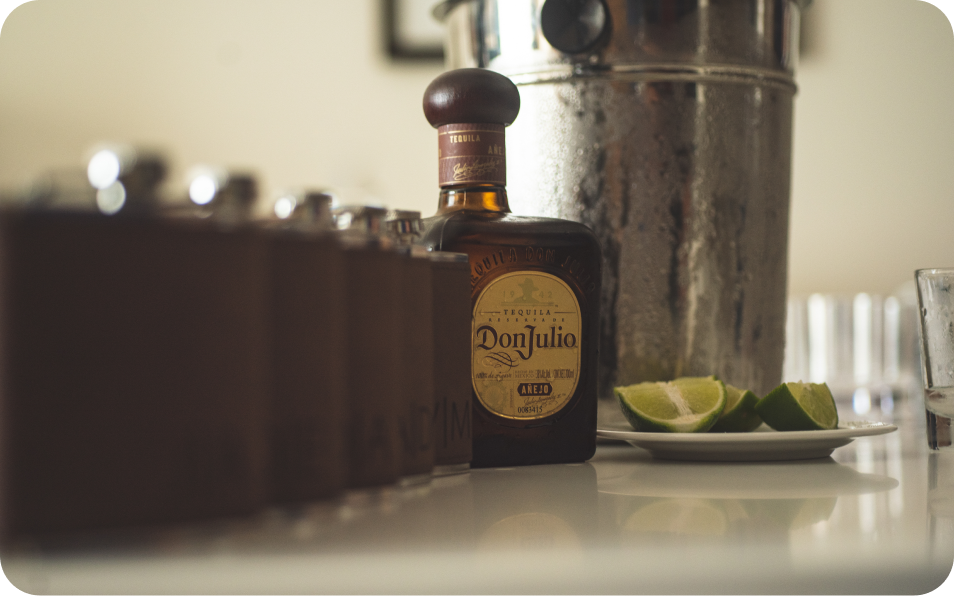
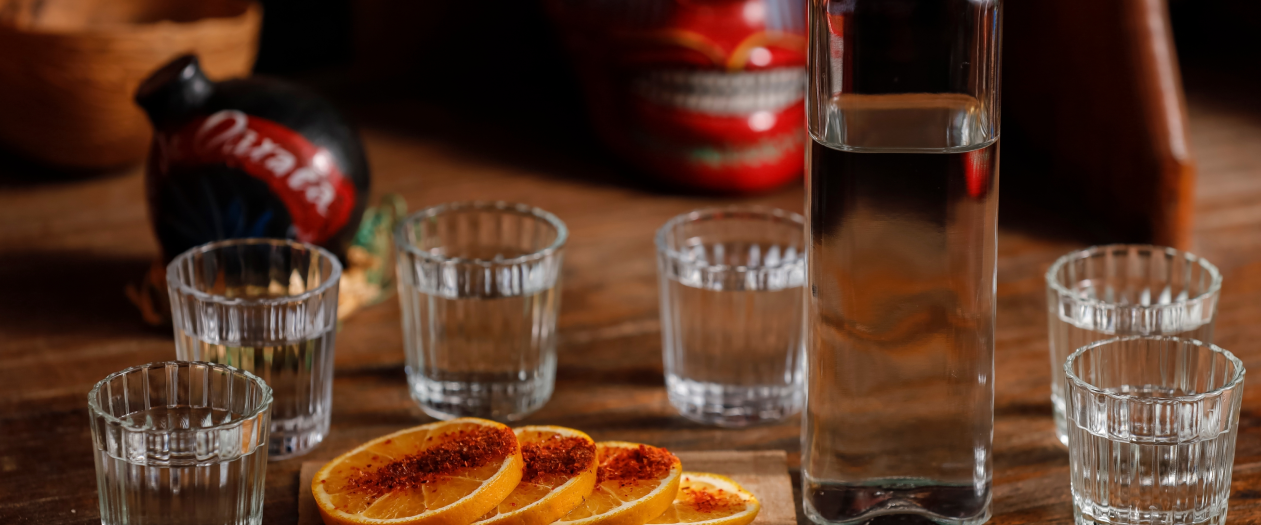
If you have ever shot tequila with salt and lime and walked away thinking that was the whole story, this is your invitation to slow down. Learning how to drink tequila begins with understanding that artisanal tequila is not made to be slammed. It is made to be tasted, the way you would taste a single-malt whisky or a fine cognac.
This guide will walk you through the best ways to enjoy artisanal tequila, how to prepare it properly before the first sip, and what to pair it with so that every nuance of the agave has room to speak. Pour yourself a small measure, find a quiet glass, and let us begin.
What Makes Artisanal Tequila Different?
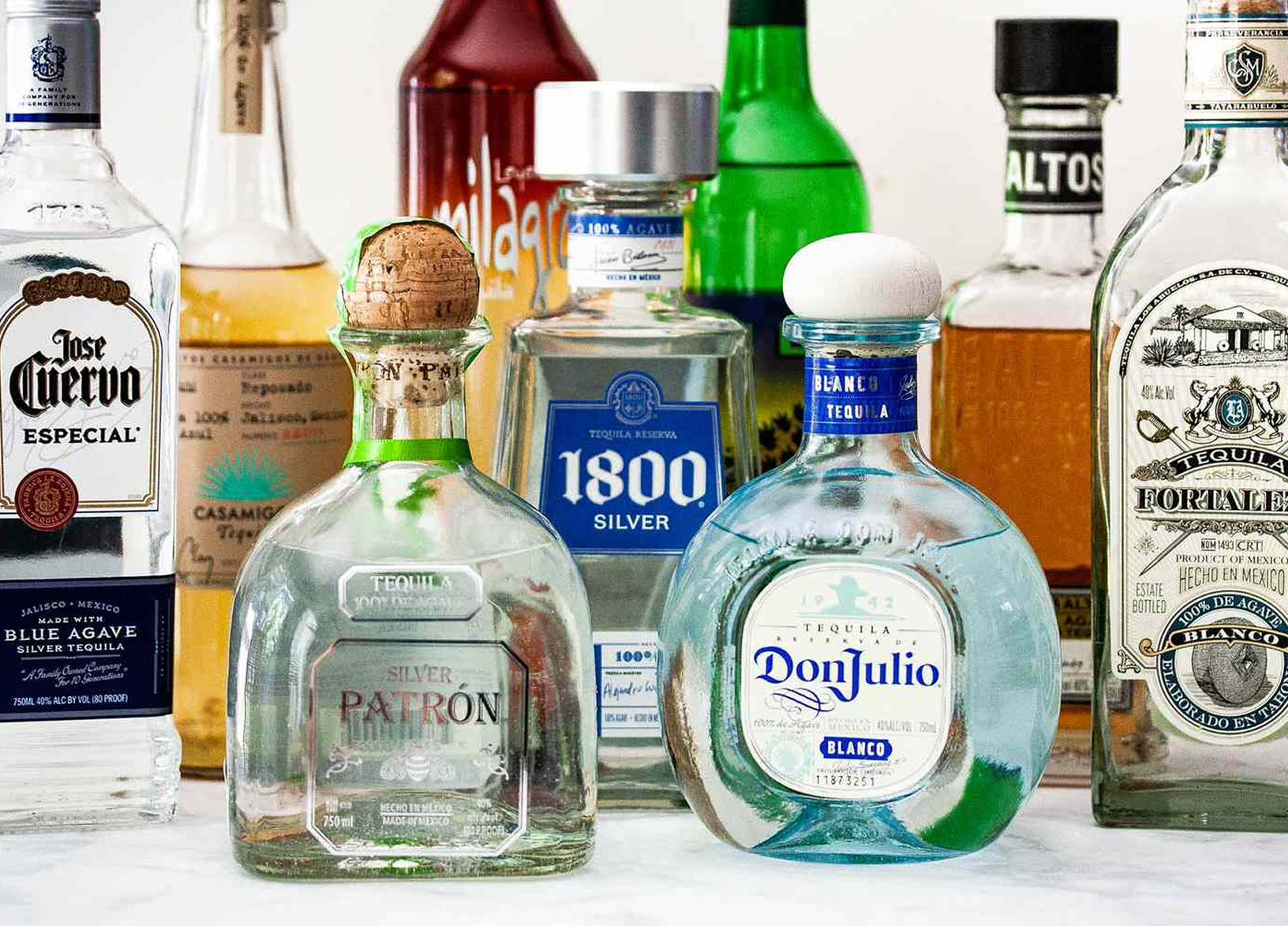
All tequila is made from blue Weber agave grown in the protected denomination of origin in Mexico, regulated by the Consejo Regulador del Tequila (CRT). But within that universe, there is a meaningful gap between industrial production and the artisanal tradition.
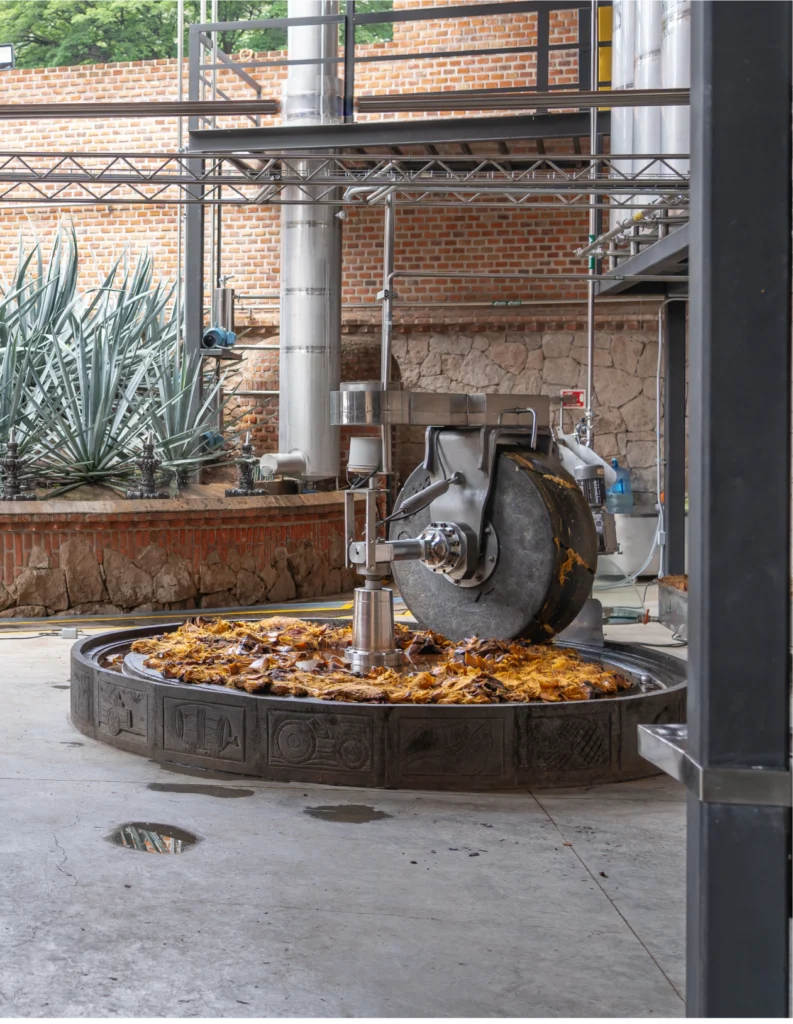
Artisanal tequila tends to favor slow, low-intervention methods: mature agave cooked in masonry ovens, fermentation in open wooden vats with wild yeasts, and double distillation in small copper pot stills. The most traditional producers still use a tahona, a large volcanic stone wheel that slowly crushes the cooked agave to extract its juice, often fermenting the liquid together with the agave fibers (bagasse) to develop deeper aromatic complexity.
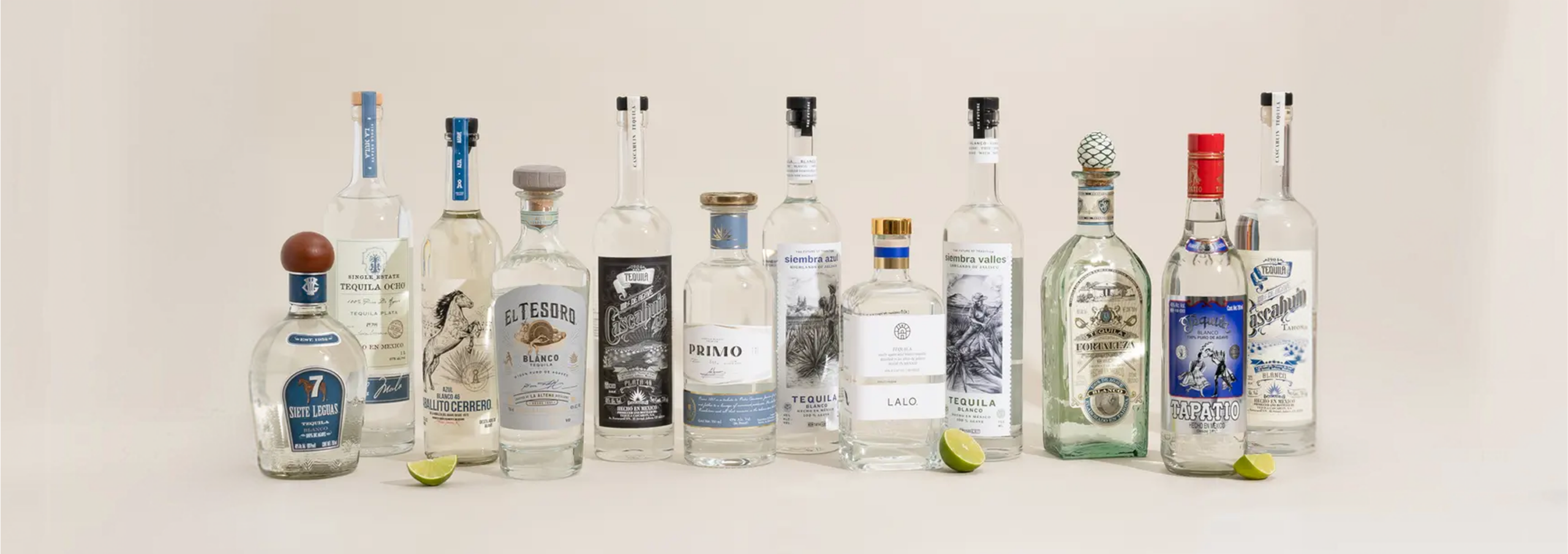
A good example of this revival is Dobel Tahona, an organic blanco crafted using exactly this centuries-old volcanic stone method, fermented in wood-lined open-air vats with wild ambient yeast, and double-distilled in small copper pot stills. It is one of several producers, alongside houses like Fortaleza, G4, and Tapatío, bringing the tahona process back into contemporary tequila culture.
The result, across the artisanal category, is a tequila with character: more agave forward, more textured, more transparent about where and how it was made. That is exactly why it deserves a different way of drinking.
READ MORE: Benefits of Artisanal Tequila Blanco
How to Drink Artisanal Tequila
There is no single correct way to drink artisanal tequila, but there is a way that lets it show you everything it has. Start here.
Sip It Neat
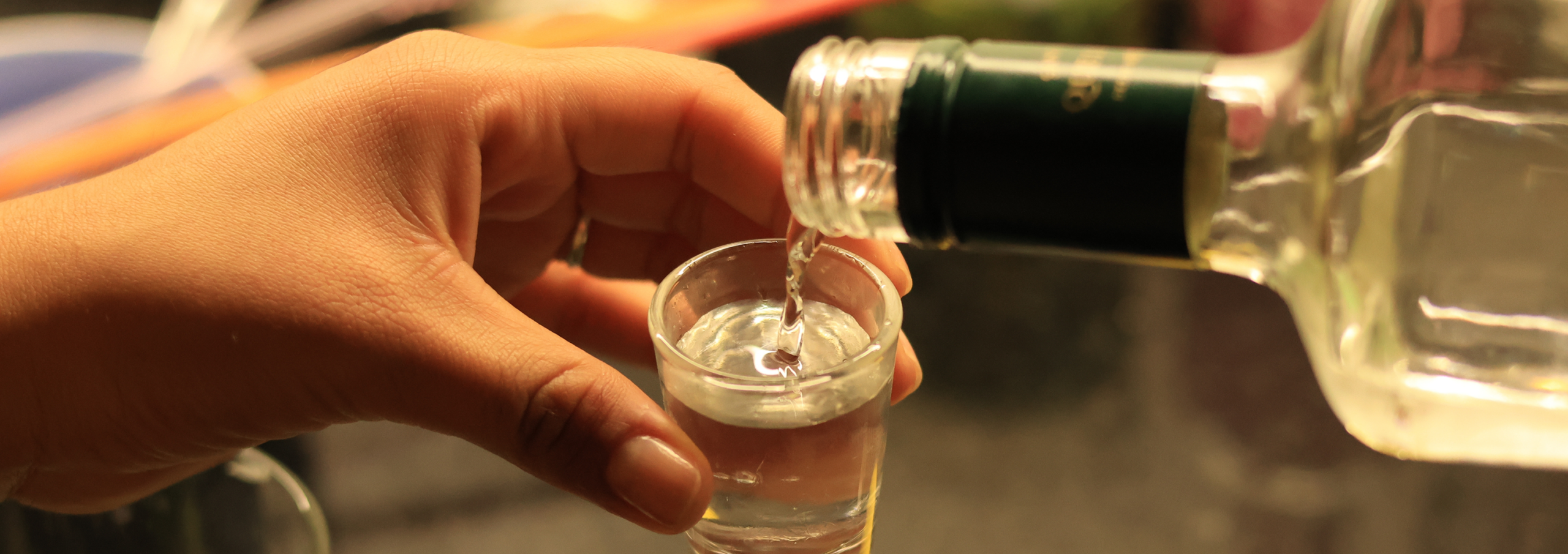
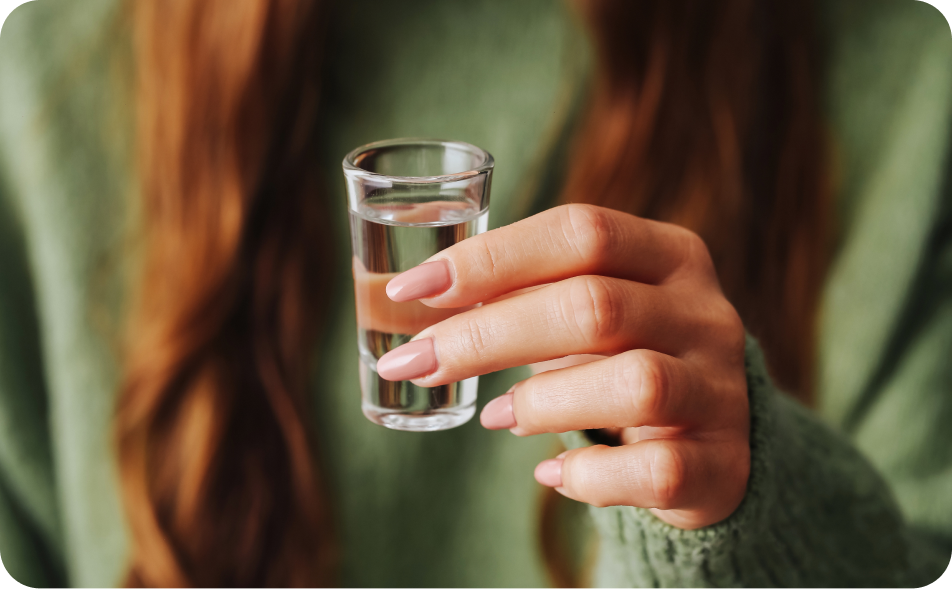
Pour about one ounce into a proper tequila glass. No ice, no mixers, nothing in the way. Sipping tequila neat at room temperature is the surest way to appreciate the nuances of a particular expression. Take small, slow sips and let the spirit coat your palate before swallowing.
Engage All Four Senses
Hold the glass up to the light and notice the body and color. Bring it to your nose with your mouth slightly open and inhale gently, never deeply, since a sharp sniff will overwhelm the nose. Then taste and pay attention to the finish: that lingering sensation is where artisanal tequila tends to reveal its longest story.
Add a Few Drops of Water (If You Like)
Just as with whisky, a few drops of room-temperature water can open up volatile aromas in a higher-proof or particularly concentrated tequila. Use it sparingly. The idea is to release flavor, not dilute it.
How to Prepare Artisanal Tequila Before Drinking
Preparing artisanal tequila is less about ritual and more about removing obstacles between the spirit and your senses. Two things matter most: the glass and the temperature.
Choose the Right Glassware
Skip the shot glass. The most respected tasting glass for tequila is the Riedel Ouverture, designed in 2001 in collaboration with the Consejo Regulador del Tequila and tequila producers in Jalisco. Its long stem prevents your hand from warming the spirit, while the narrow bowl concentrates aromas toward the nose. A traditional copita or a small snifter also works well. What matters is that the glass focuses the aromatics rather than dissipating them.
Serve at the Right Temperature
Room temperature is almost always the right answer for artisanal tequila. Freezing tequila — a common bar habit — suppresses its aroma and flattens the very flavors you paid for. A slight chill can soften a young blanco, but anything aged is best served as it comes off the shelf. Below is a quick reference.
| Tequila Type | Recommended Glass | Serving Temperature | Best Enjoyed |
| Blanco | Riedel Ouverture / copita | Room temp or very slightly chilled | Neat, to appreciate raw agave |
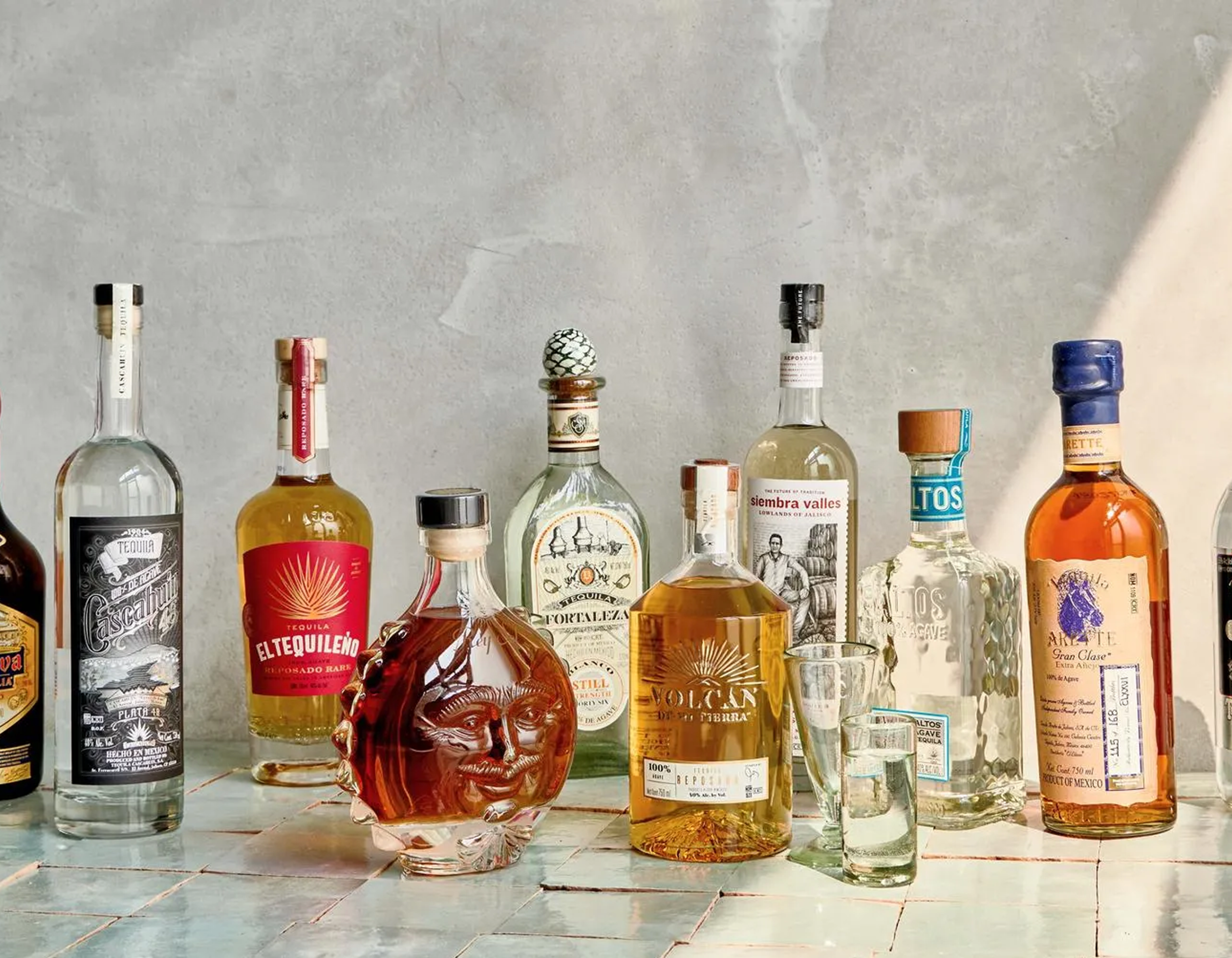
| Reposado | Riedel Ouverture / small snifter | Room temperature | Neat or with one large ice cube |
| Añejo | Snifter / Ouverture | Room temperature | Neat, allow to breathe |
| Extra Añejo | Snifter | Room temperature | Neat, as a digestif |
READ MORE: Types of Tequila, a Journey from the Root to the Glass
What to Accompany Artisanal Tequila With
Artisanal tequila has the depth and structure to stand alongside food the way wine does. The key is to match weight with weight, and not to drown the agave in anything too sharp or too sweet.
Light Pairings
- Blanco tequilas: ceviche, fresh oysters, citrus-cured fish, light tacos with herbs and lime.
- Mexican-style snacks: roasted pumpkin seeds, queso fresco, jicama with chile and salt.
- Citrus: a wedge of orange or grapefruit alongside the glass, never inside it.
Richer Pairings
- Reposado tequilas: grilled pork, tacos al pastor, mole, roasted vegetables with herbs.
- Añejo tequilas: ribeye, slow-braised short ribs, barbacoa, anything with depth and char.
- Extra añejo: dark chocolate, dried fruit, aged cheeses — or simply on its own after dinner.
A Note on Salt and Lime

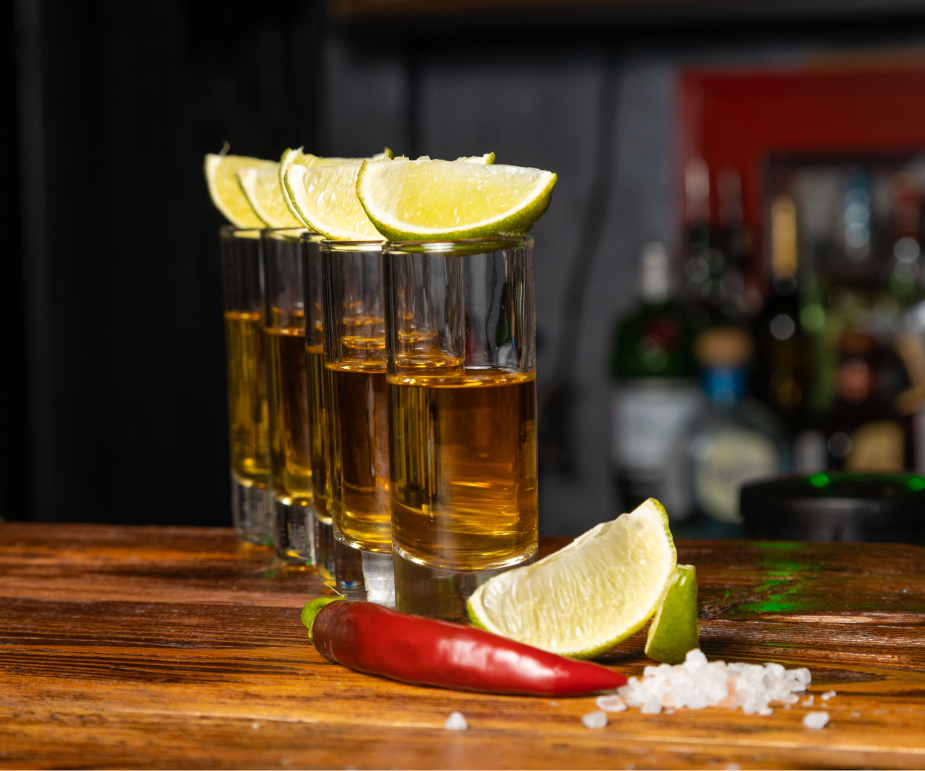
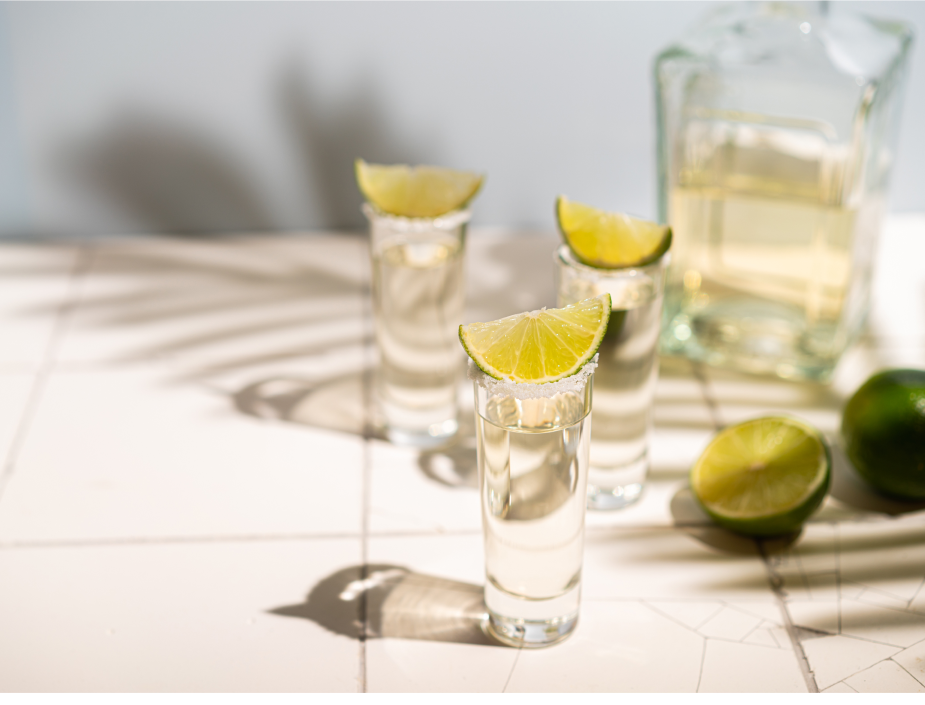
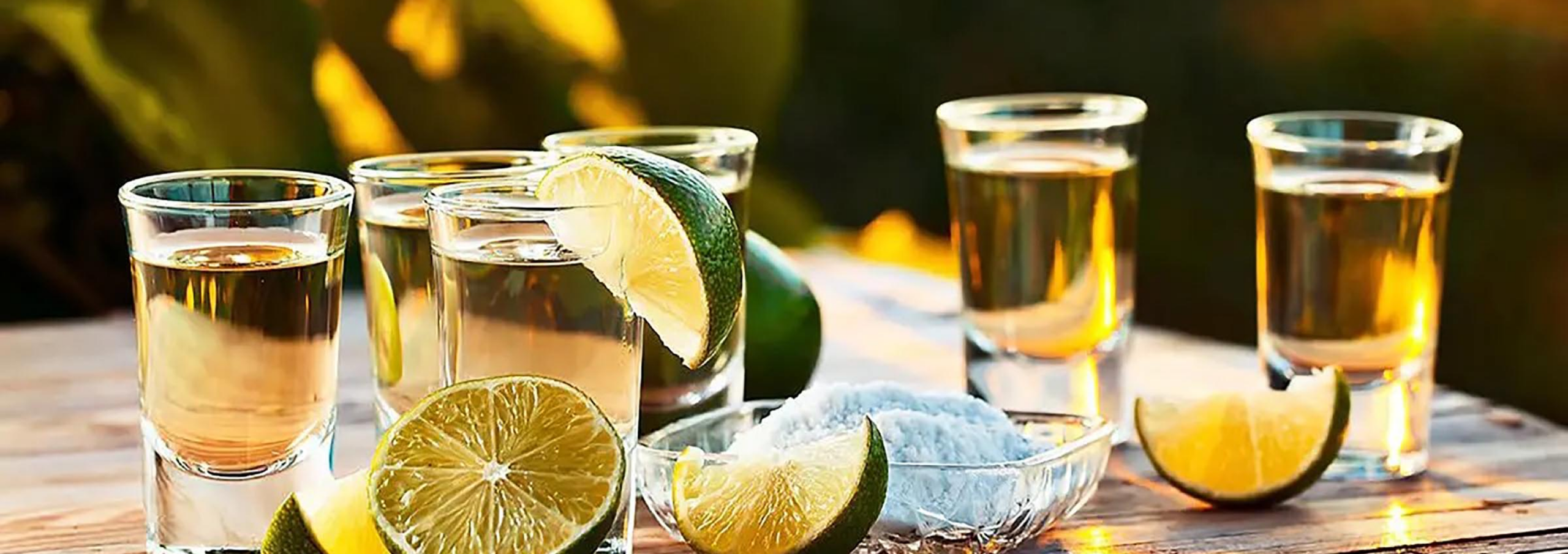
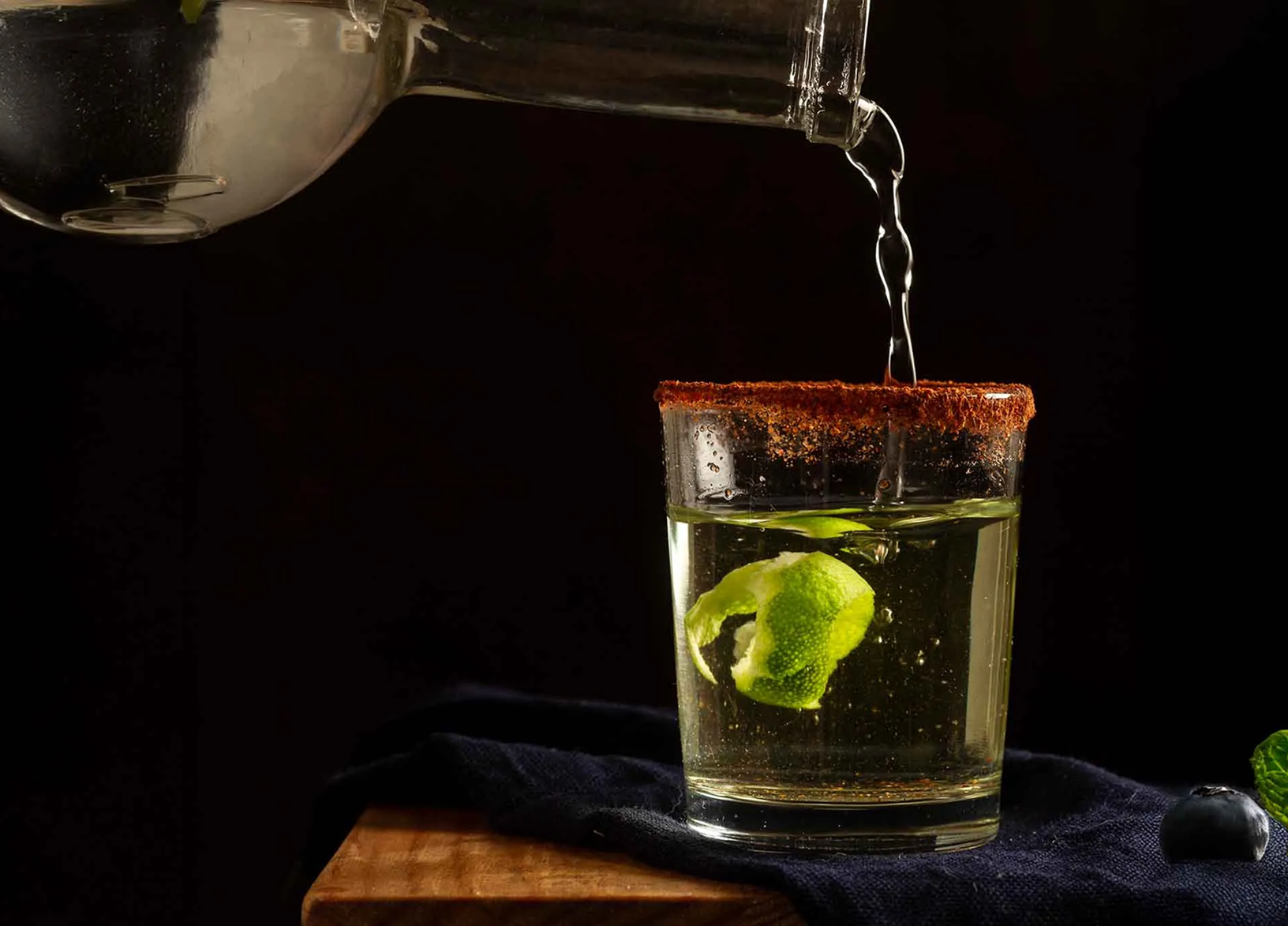
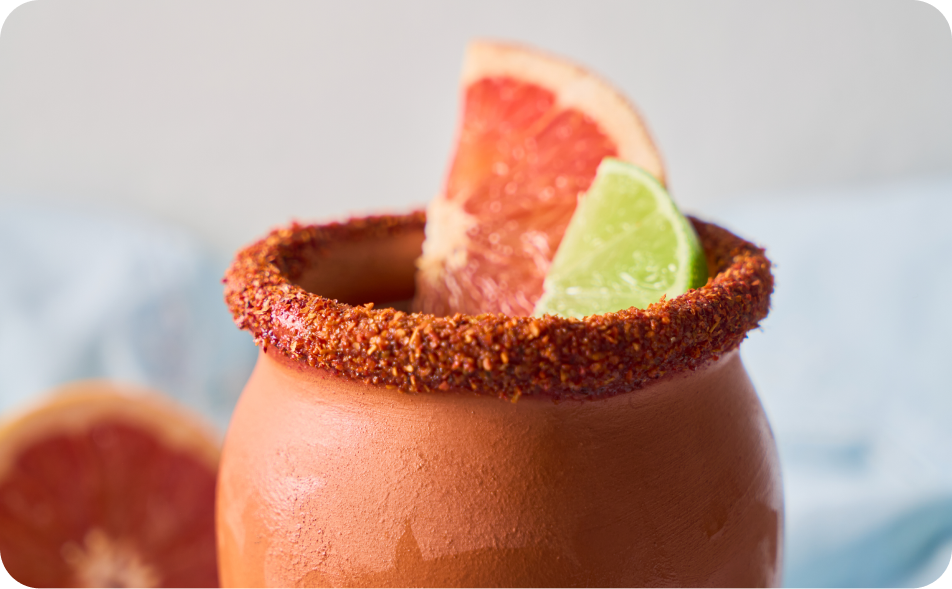
Salt and lime exist to mask the harshness of poor-quality tequila. With artisanal expressions, they are not needed and will only get in the way. If you crave a citrus contrast, sip the tequila first, then enjoy a slice of orange. Sangrita on the side is also a beautiful traditional companion.
Common Mistakes When Drinking Artisanal Tequila
- Shooting it. A single gulp tells you nothing about a spirit that took years to make.
- Freezing the bottle. Extreme cold mutes aromas and flattens flavor. Keep tequila at room temperature.
- Using the wrong glass. A shot glass disperses the aromatics. A proper tasting glass focuses them.
- Drowning it in mixers. A premium tequila does not need to be hidden behind syrups or sodas.
- Skipping the aroma. Most of what we taste is actually what we smell. Take the time to nose the glass.
Why You Should Drink More Artisanal Tequila
Choosing to drink more artisanal tequila is, in a quiet way, an act of appreciation. It is choosing a category where slow ovens still exist, where stone wheels still crush agave, where small distilleries still take a six- or seven-year view of a single plant before turning it into a spirit. There is craft in every bottle, and craft is best honored slowly.
Artisanal tequila rewards attention. The more you sip it the way it was meant to be sipped — neat, at room temperature, in the right glass, alongside food that complements rather than competes — the more it gives back. The next time someone reaches for the saltshaker, pour yourself an ounce, find a quiet corner, and taste.
“Explore our guide to the best artisanal tequilas to try this year.”