
Artisanal tequila has become a point of reference for drinkers seeking authenticity, and tequila blanco artesanal sits at the very center of that movement. This guide explores the real benefits of tequila blanco, helping you understand why this style continues to stand out from its production methods to its role in modern mixology.
Before diving into the benefits, it’s important to understand what defines this category and why it resonates so strongly with both enthusiasts and professionals.
What Is Artisanal Tequila Blanco?
Artisanal tequila blanco is a non-aged tequila made using traditional or semi-traditional methods that prioritize craftsmanship over industrial efficiency.
Unlike large-scale production, artisanal processes often include:
- Stone ovens (hornos) for slow agave cooking
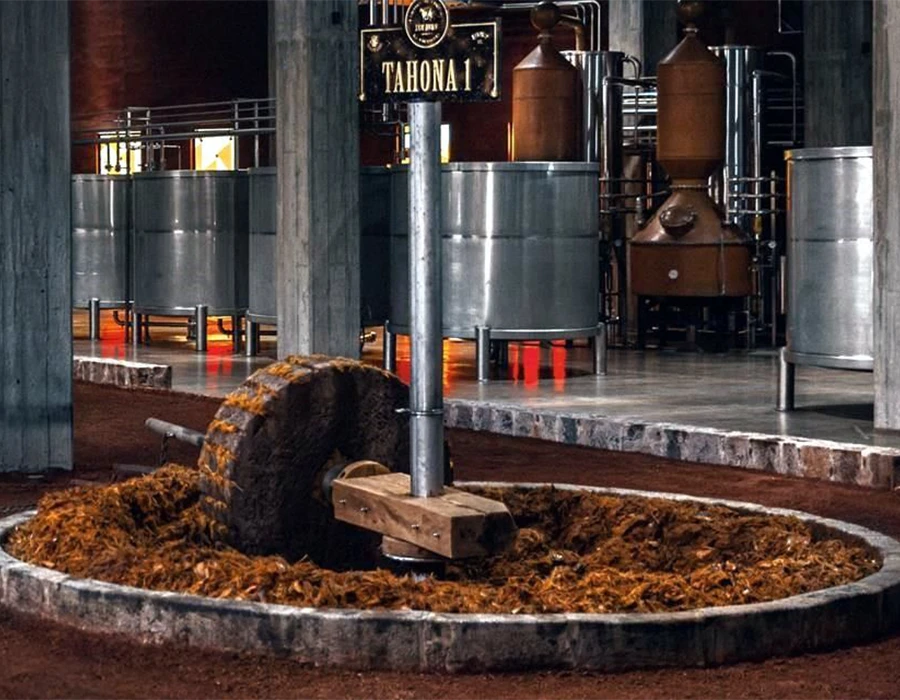
- Tahona or roller mills for extraction
- Open-air fermentation, sometimes with natural yeasts
- Copper pot distillation in small batches
The result is a tequila that expresses the true character of the agave, often with more complexity and individuality.
Main Benefits of Artisanal Tequila Blanco
This is where tequila blanco artesanal truly shines. Below are the key benefits that make it a preferred choice for both sipping and mixing.
1. Pure Expression of Agave
Because it is not aged, blanco tequila preserves the fresh, vibrant profile of blue Weber agave.
What you’ll notice:
- Herbal and vegetal notes
- Citrus brightness
- Peppery spice
This makes it one of the most transparent ways to experience tequila’s raw identity.
2. Greater Transparency in Production
Artisanal tequila often reflects more honest production practices, with fewer additives and less manipulation.
According to the Consejo Regulador del Tequila, tequila regulations allow certain additives, but many artisanal producers choose to minimize or avoid them.
Benefit: what you taste is closer to what was made—no shortcuts, no masking.
3. Distinctive Flavor Profiles
No two artisanal blancos are exactly the same.
Factors like:
- Soil composition (terroir)
- Fermentation style
- Distillation technique
create unique profiles across brands.
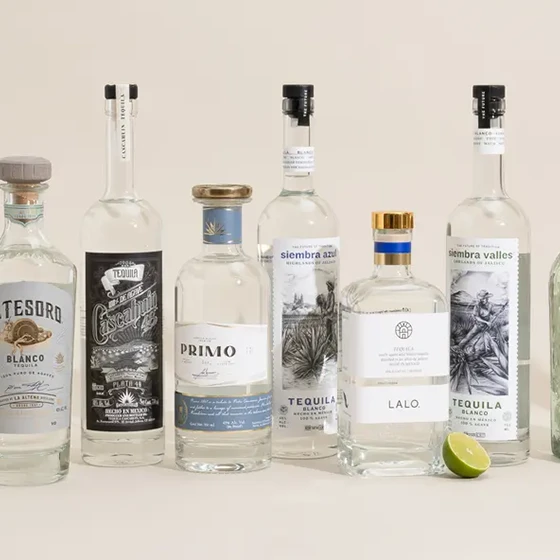
Examples of best artisanal tequila:
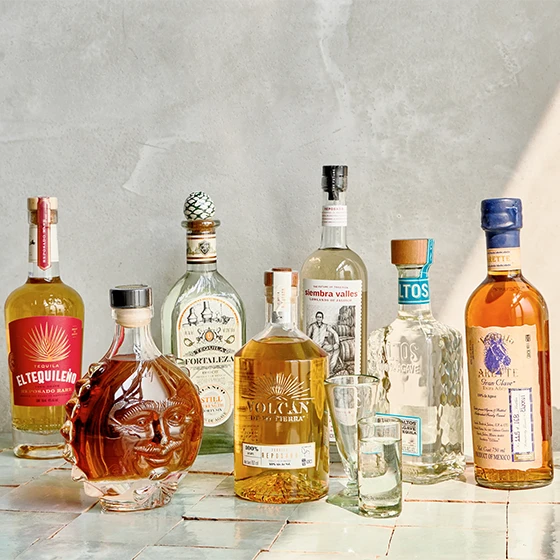
- Fortaleza Blanco – earthy, olive-forward
- G4 Blanco – mineral, clean, balanced
- El Tesoro Blanco – classic cooked agave sweetness
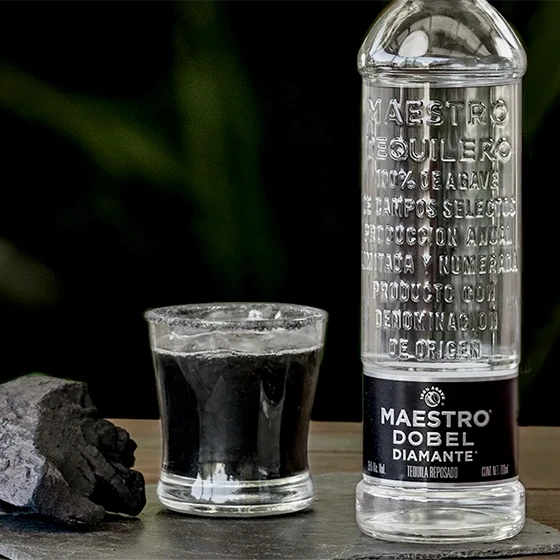
- Dobel Tahona – soft, refined, tahona-driven texture
Read more: Best Tequila Brands in 2025
4. Ideal for High-Quality Cocktails
One of the overlooked benefits of tequila blanco is its versatility in mixology.
Because of its clarity and structure, it:
- Cuts cleanly through citrus
- Enhances fresh ingredients
- Maintains identity in cocktails
Best uses:
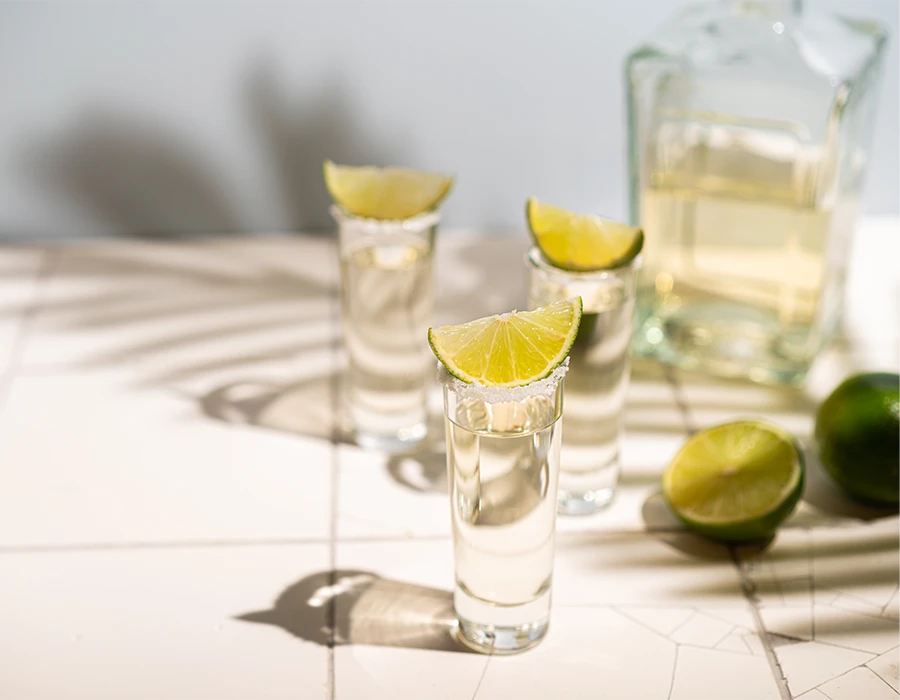
- Margarita (classic and modern riffs)
- Paloma
- Tommy’s Margarita
- Highball-style drinks
For those exploring mixology, artisanal blanco is often the best starting point.
5. Connection to Craft and Culture
Artisanal tequila reflects generational knowledge and regional identity.
Many producers:
- Use family-owned distilleries
- Preserve traditional techniques
- Work with mature agave (often 6–8 years old)
This adds a cultural dimension that goes beyond flavor.
Why Artisanal Tequila Blanco Stands Out
Artisanal blanco stands apart because it offers a balance between immediacy and complexity.
Unlike aged expressions:
- It doesn’t rely on oak for character
- It delivers flavor directly from the agave and process
This creates a profile that feels:
- Fresh, but layered
- Accessible, yet nuanced
For both newcomers and experts, it’s often the most honest representation of tequila.
How Artisanal Production Influences Quality
Slow Cooking Methods
Traditional ovens allow agave to cook gradually, preserving natural sugars and avoiding bitterness.
Tahona Extraction
Tahona crushing extracts juice more gently, often resulting in:
- Softer mouthfeel
- Earthier, more complex flavors
This is a defining feature in expressions like Dobel Tahona.
Natural Fermentation
Open fermentation introduces wild yeast, contributing to:
- Greater aromatic diversity
- Subtle unpredictability (in a good way)
Small-Batch Distillation
Smaller batches allow for:
- Better quality control
- More precise cuts during distillation
All of this directly impacts the final tequila’s integrity.
Where Can I Find Artisanal Tequila Blanco?
If you’re wondering where you can find artisanal tequila, here are the most reliable channels:
- Specialty liquor stores (focus on craft spirits)
- Online retailers like ReserveBar or Drizly
- High-end bars and cocktail programs
- Direct distillery exports (where available)
Tip: Look for transparency in labeling—terms like “tahona,” “stone oven,” or “small batch” are good indicators.
Conclusion
The value of tequila blanco artesanal lies in its ability to deliver clarity, authenticity, and depth without relying on aging or embellishment.
From its pure agave expression to its role in modern cocktails, the benefits of tequila blanco are both practical and experiential.
Whether you’re exploring the category for the first time or refining your palate, artisanal blanco offers a compelling way to understand tequila at its core.
Whether you’re exploring the category for the first time or refining your palate, artisanal blanco offers a compelling way to understand tequila at its core.
Sources & References
Consejo Regulador del Tequila (CRT) – Official tequila standards
“Understanding Tequila Production” – Tequila Matchmaker / Grover & Scarlet Sanschagrin
Bowen, Sarah. Divided Spirits: Tequila, Mezcal, and the Politics of Production