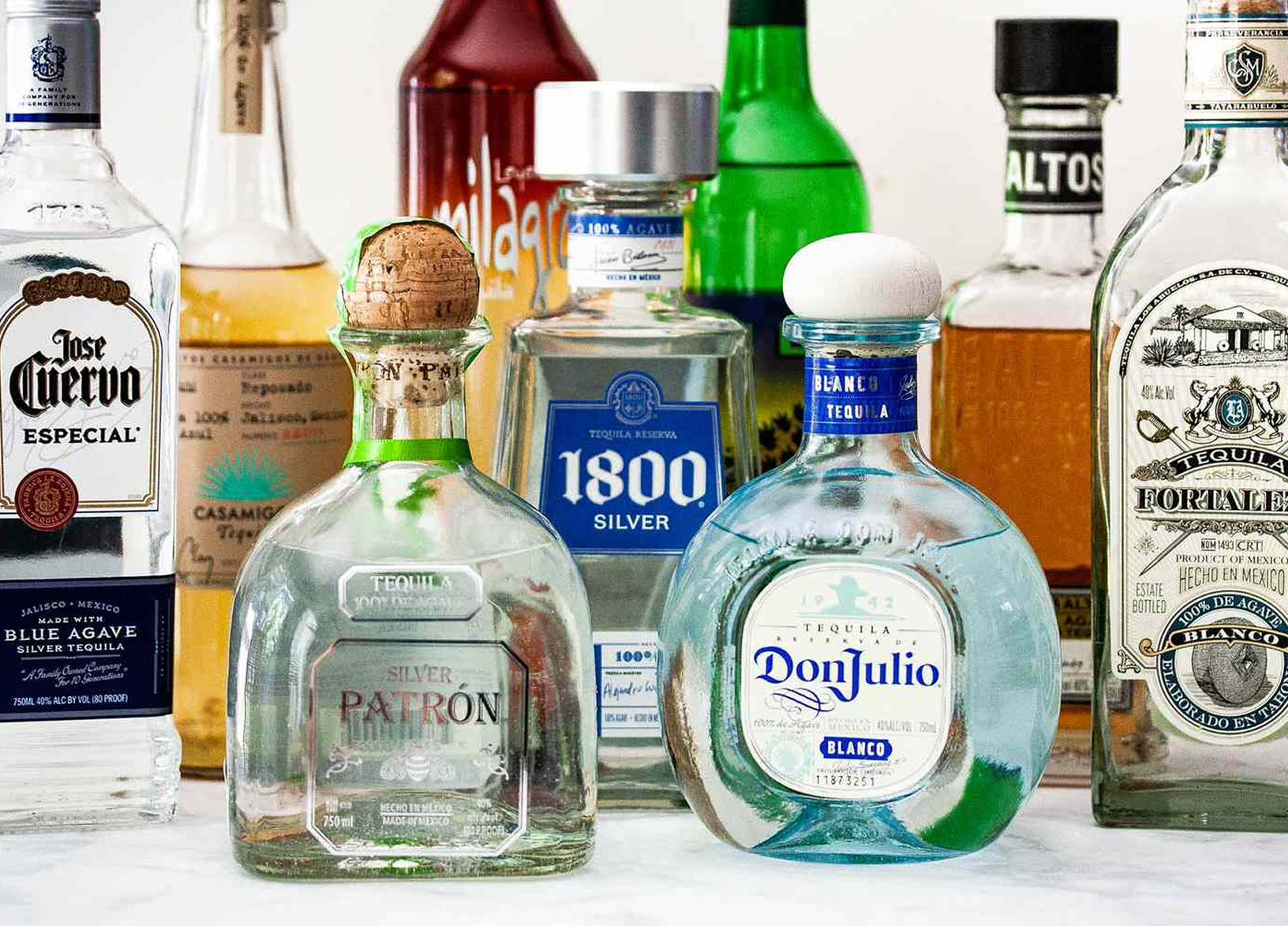
Is tequila healthy? It is one of the most-searched questions in the agave world, and the honest answer has layers.
Tequila is alcohol, and no spirit belongs in the same column as leafy greens. Yet when the conversation turns to organic tequila — clean, 100% agave, sipped with intention — there is a reason curious drinkers keep asking.
Next to sugary cocktails and heavier drinks, pure tequila can be a lower-sugar, cleaner-tasting choice for people who simply want to drink more mindfully. This guide sorts the marketing myths from what the evidence actually supports, so you can enjoy your pour with clear eyes.
Is Tequila a Healthy Alcohol Choice?
Let us answer the headline plainly: tequila is not a health product. According to the World Health Organization, no level of alcohol consumption is risk-free for human health. That is the honest starting point for any tequila health conversation.
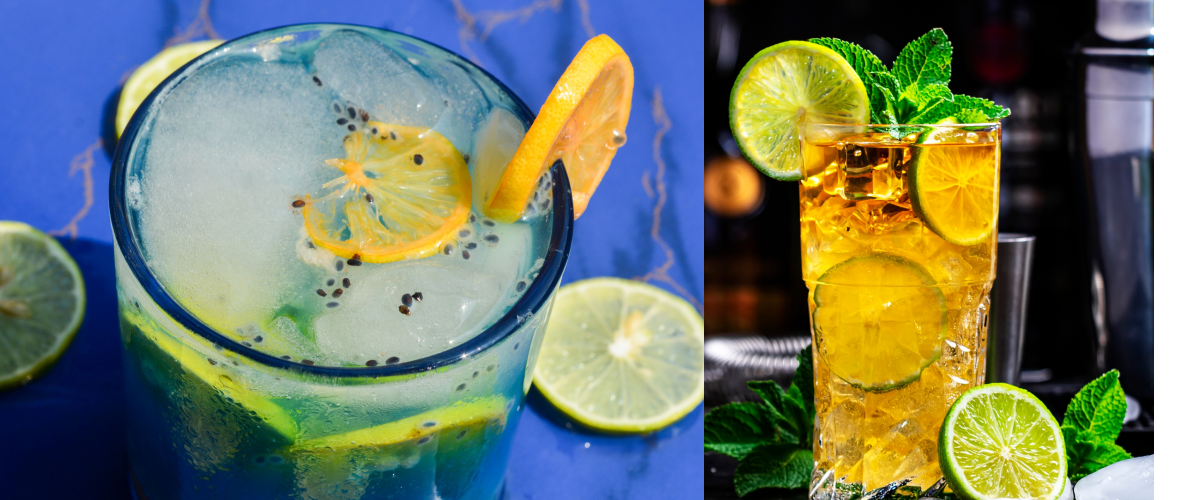
What tequila can be is a relatively simple spirit. Served neat, on the rocks, or with a sugar-free mixer, 100% agave tequila is essentially distilled agave and water — no carbs, no sugar, nothing crowding the glass. The benefits people chase are comparative, not absolute, and that distinction is the whole article.
Read more: How Tequila Is Made
Tequila Health Myths, Examined
Most of what circulates about tequila and wellness is half-true at best. Three myths come up again and again.
Myth: “Tequila lowers your blood sugar”
This claim traces back to a real 2014 study, but it tested agavins, a fiber-like sugar from the raw agave plant, in mice. Crucially, agavins are converted to alcohol during fermentation, so they are not present in finished tequila. The blood-sugar headlines were about the plant, not the bottle.
Myth: “100% agave means additive-free”
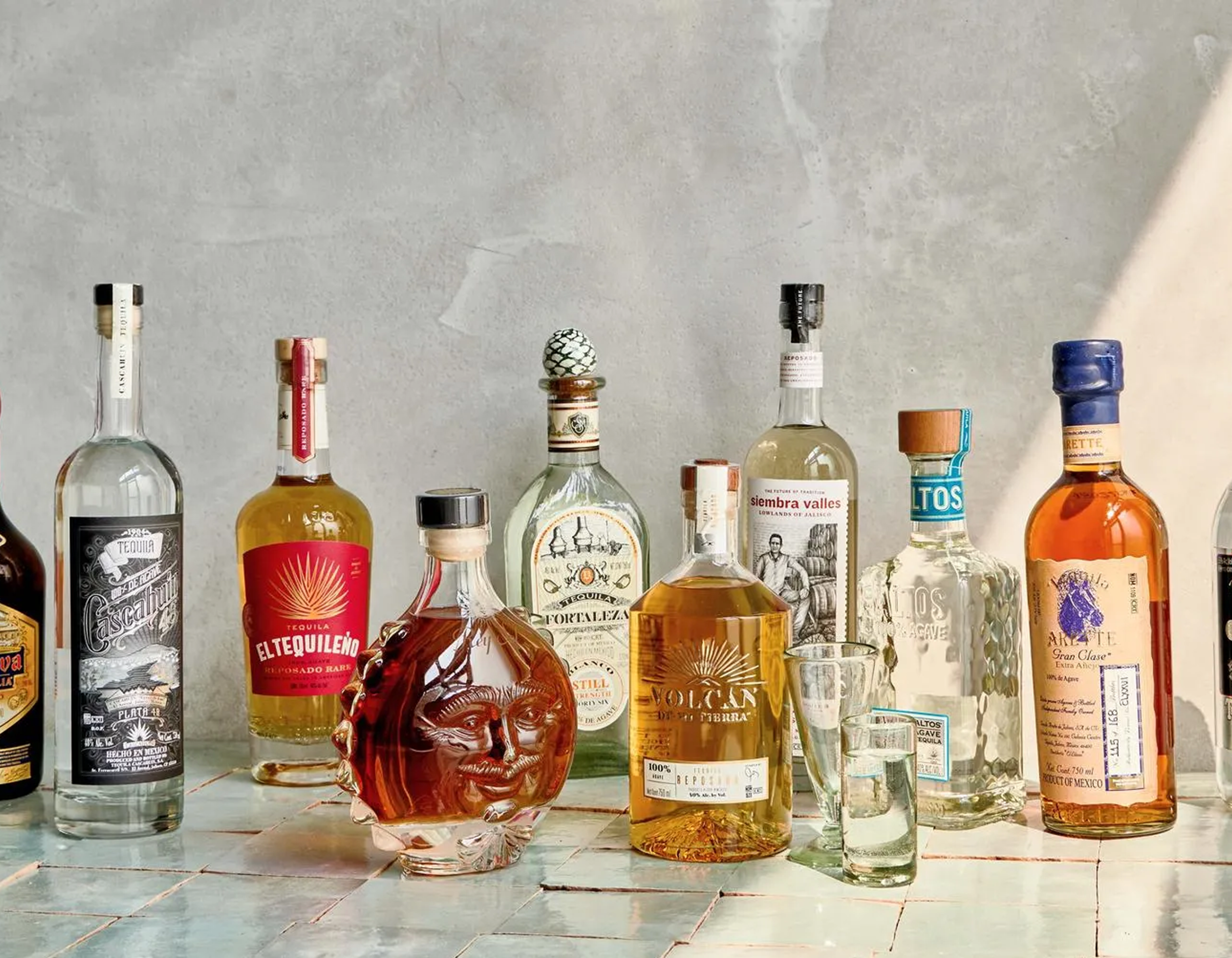
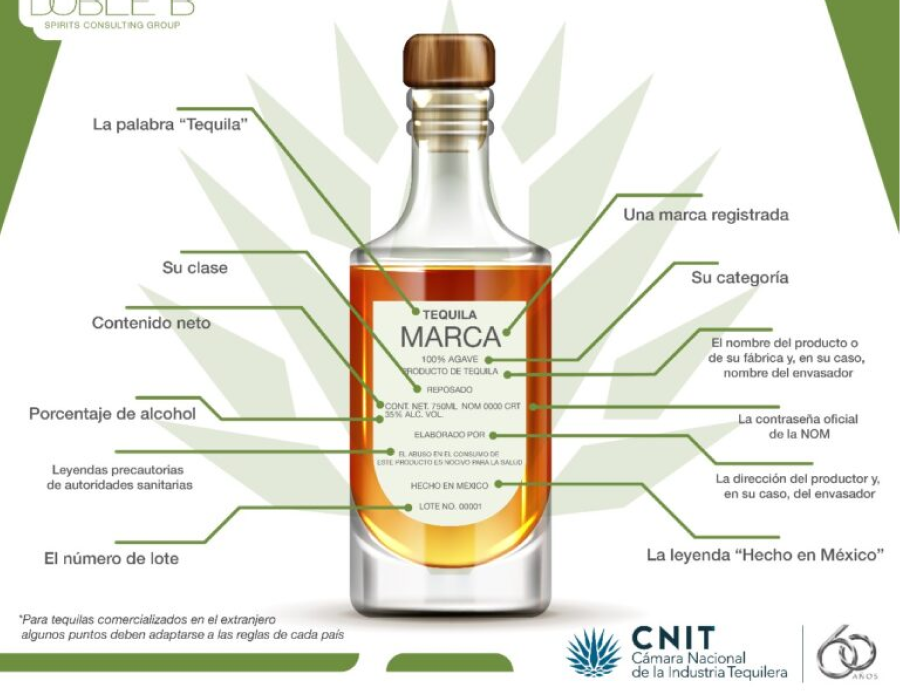
Not quite. Under Mexico’s NOM-006-SCFI-2012 standard, certified tequila may contain up to 1% of approved additives — caramel coloring, glycerin, oak extract, sweeteners — without listing them on the label. “100% agave” confirms the sugar source, not the absence of additives. If purity matters to you, look for brands that are explicitly additive-free certified.
Myth: “Tequila won’t give you a hangover”
No spirit is hangover-proof. Pure, well-made tequila tends to carry fewer congeners than darker, heavily aged spirits, which may make a difference for some people. But dehydration and overall volume still rule the morning after.

The Real Benefits of Organic Tequila
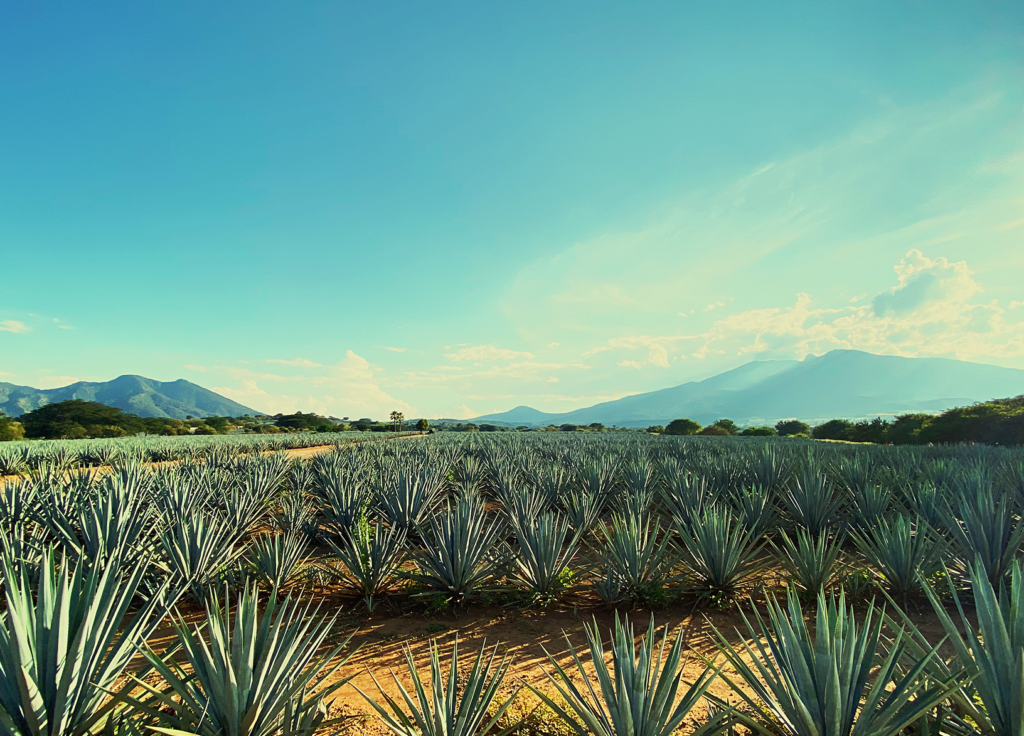
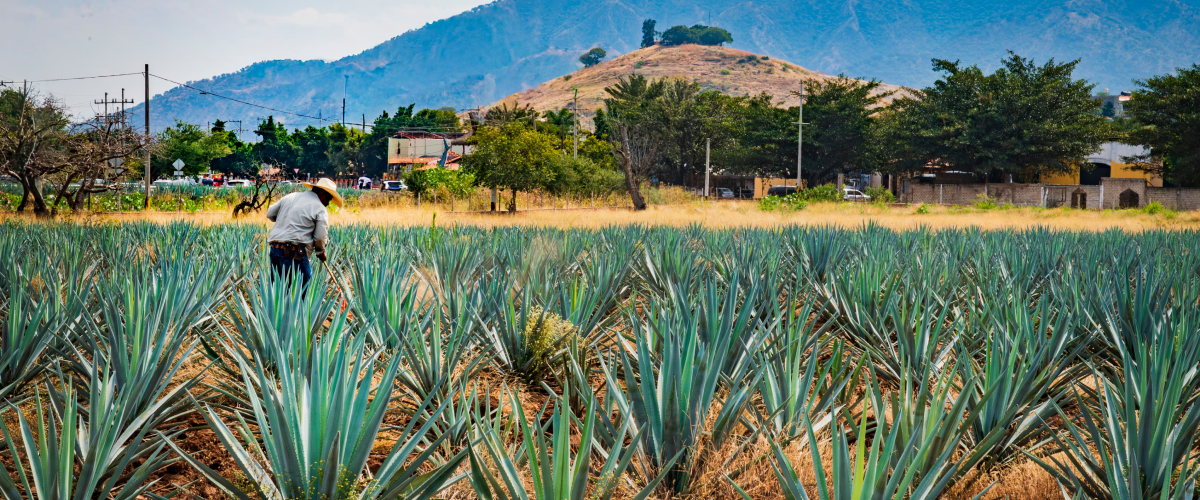
First, a clarification worth making: organic refers to how the agave is farmed — without synthetic pesticides or fertilizers — not to a lower calorie count or any medical benefit. With that framed honestly, the genuine advantages of choosing a clean, organic, 100% agave tequila are practical ones:
- Lower sugar when served plain — pure tequila contains none to begin with.
- Zero carbs in the spirit itself, unlike beer or wine.
- Fewer sugary mixers needed, because good agave flavor stands on its own.
- A more transparent production process you can trace through the NOM number and CRT seal.
- An invitation to slow, mindful sipping rather than fast, sweet drinking.
Read together, these are reasons to drink better, not reasons to drink more.
Read more: Benefits of Tequila Blanco Artisanal
Is Organic Tequila Keto-Friendly?
Short answer: yes, in its pure form. A standard 1.5 oz pour of 100% agave tequila has zero carbs and zero sugar, which makes it compatible with keto-style drinking when served neat or with club soda and fresh lime. The moment you add margarita mix, juice, agave syrup, or sweet liqueurs, that changes fast, since those mixers are where the carbohydrates hide.
Organic Tequila vs. Vodka, Beer, and Whiskey
Served plain, tequila is one of the lightest spirits on the shelf. Here is how a standard pour compares:
| Drink (standard serving) | Calories | Carbs | Sugar |
| Tequila, 100% agave (1.5 oz) | ~97 | 0 g | 0 g |
| Vodka (1.5 oz) | ~97 | 0 g | 0 g |
| Whiskey, neat (1.5 oz) | ~105 | 0 g | 0 g |
| Beer (12 oz) | ~150 | 12–20 g | Varies |
| Wine (5 oz) | ~120–125 | 3–4 g | Varies |
Figures are approximate, for unflavored spirits at 40% ABV served without mixers.
Tequila and vodka are nearly identical served straight, and whiskey is also low-carb neat. Beer and wine add more volume, carbs, and calories. But the real variable is never the spirit, but rather the mixer. One sugary margarita can out-calorie three beers.
Read more: Types of Tequila – A Journey from the Root to the Glass
How to Drink Organic Tequila More Mindfully
If you do pour one, a few simple habits keep the experience clean:
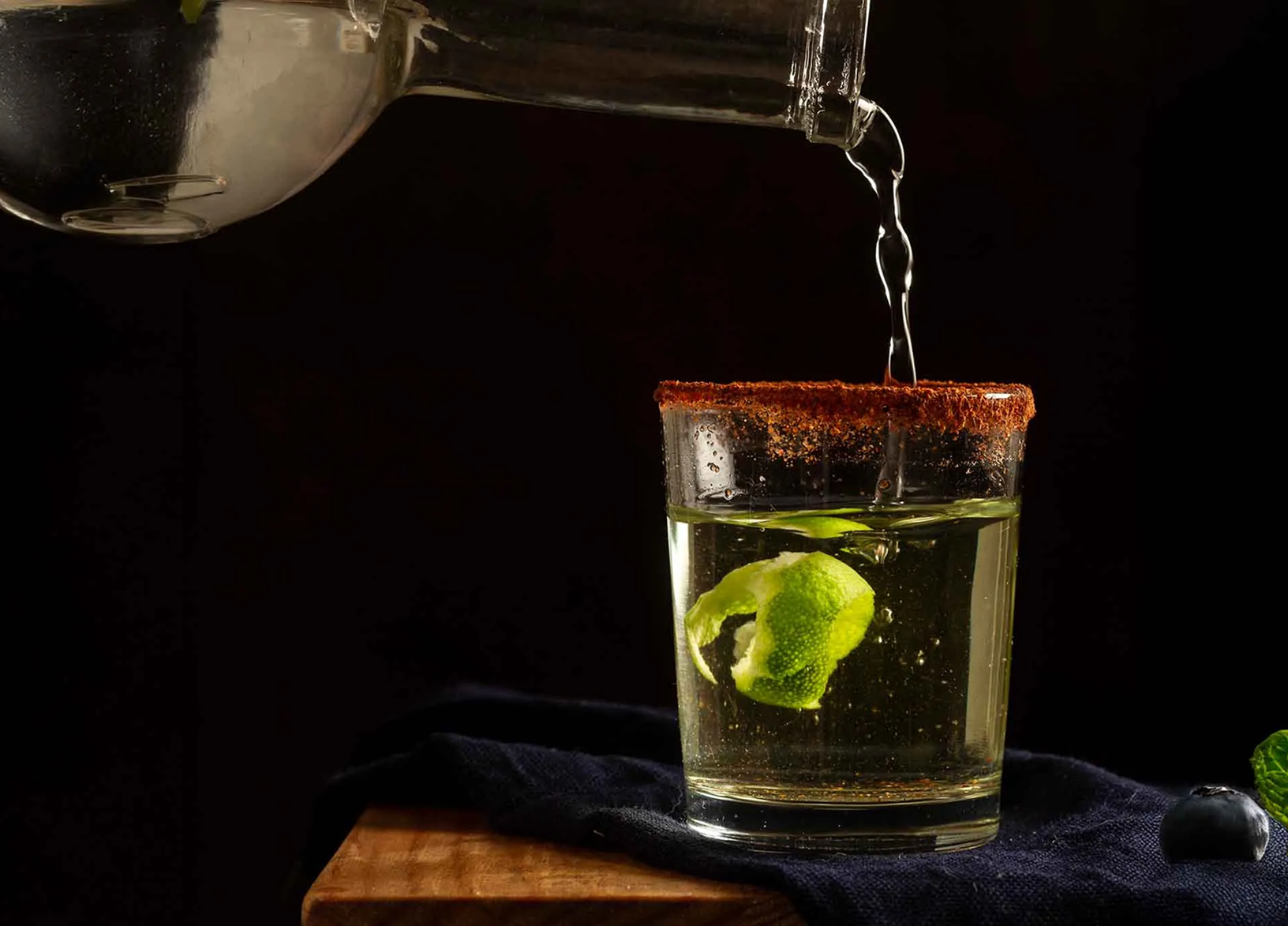
- Sip it neat or on the rocks to actually taste the agave.
- Reach for fresh lime instead of sweet-and-sour mix.
- Skip sugary sodas, syrups, and pre-made margarita mixes.
- Measure your pours instead of free-pouring.
- Drink water between servings.
- Pair it with food rather than drinking on an empty stomach.
When Tequila Stops Being a “Healthier” Choice
Every advantage above assumes moderation. The U.S. NIAAA defines moderate drinking as up to one drink a day for women and two for men, and even then, no amount is guaranteed risk-free.
Push past it and the math flips: alcohol affects sleep, hydration, judgment, liver health, and long-term wellness, no matter how clean the bottle is.
Organic tequila can be a more thoughtful choice. It is never a wellness routine. The healthiest relationship with any spirit is an honest, measured one.
This article is for general information and is not medical advice. If you have questions about alcohol and your health, speak with a qualified healthcare professional.
“Explore more insights on artisanal tequilas worth sipping neat”
Sources
—