The short version
Blanco, and 100% agave. Unaged tequila keeps the agave audible against fresh lime, where oak tends to turn muddy. A lightly rested reposado is the better choice if you want a rounder, sweeter drink — dial the orange liqueur back when you use one.
A margarita has nowhere to hide. Three or four ingredients, no dilution beyond the shake, and a spirit making up more than half the glass, which is why the best type of tequila for margaritas is a question worth answering properly rather than defaulting to whatever is nearest. The aging category matters more than the price tag.
For the full breakdown of what separates each one, see our guide to the types of tequila.
Why Blanco Is the Default
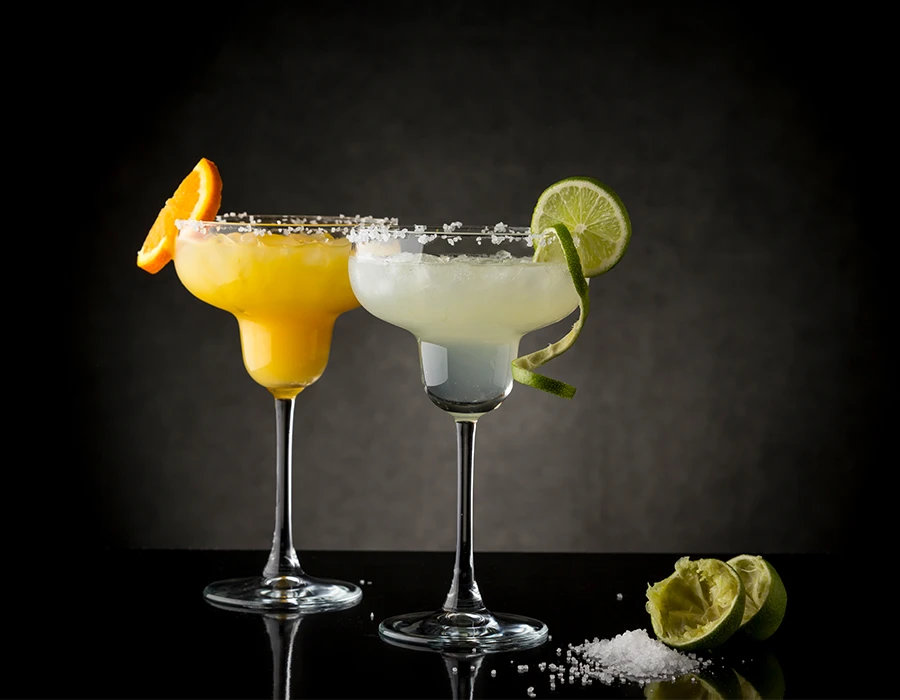
Blanco is unaged, or rested under two months in steel. Nothing has been added to it and nothing has been taken away, which means the cooked agave, the citrus note and the white-pepper bite all arrive intact. All of those work with lime rather than against it.
Oak is the complication. Barrel tannin and citrus acid pull in different directions: tannin reads as drying and slightly bitter, lime as sharp and bright, and together they can flatten into something muddy. Blanco simply sidesteps the problem. It is also the honest test of a bottle. If you would drink it neat, it will make a good margarita.
When Reposado Is the Better Call
A reposado margarita is not a compromise, it is a different drink. Two to twelve months in oak brings vanilla, honey and a fuller body, and the result is rounder and warmer at the expense of some brightness. It suits a cooler evening, a richer meal, or anyone who finds the classic version too sharp.
One adjustment matters: reposado already carries sweetness from the barrel, so reduce the orange liqueur by roughly a quarter or the drink turns cloying. Keep the lime where it is. Lightly oaked bottles work better here than heavily rested ones. Our guide to the types of tequila reposado covers which houses take the gentler approach.
Why Añejo Rarely Works
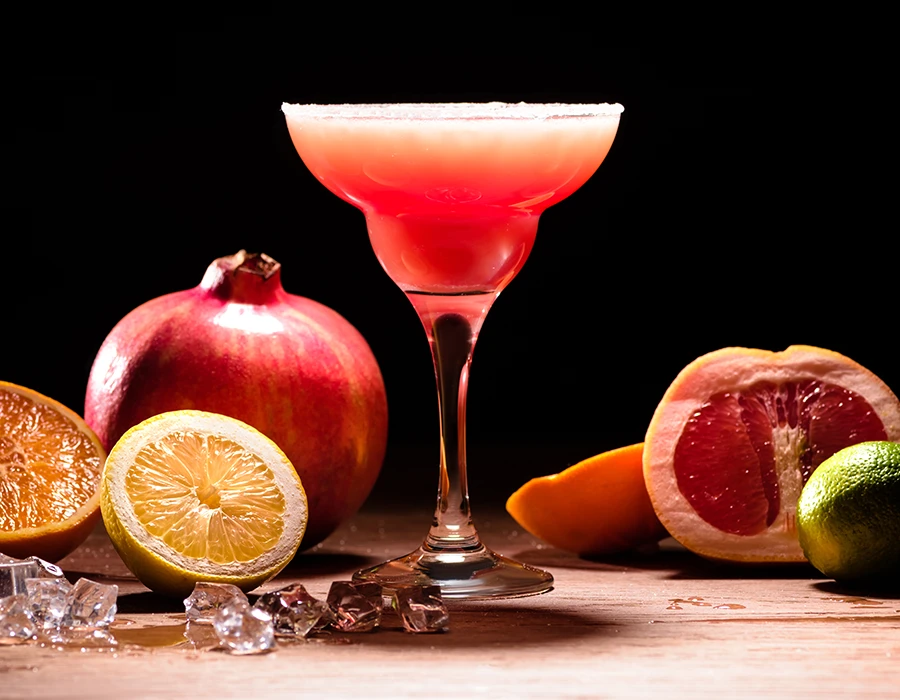
Añejo spends at least a year in barrel and extra añejo at least three. By that point oak is the dominant voice, and fresh lime is loud enough to bury exactly the qualities you paid for. You end up spending more to taste less. The exception is a stirred, liqueur-forward variation served without ice — closer to a tequila sidecar than a margarita, and worth making on its own terms rather than as a substitute.
How Each Type Behaves Against Fresh Lime
| Type | What it does in the drink | Verdict |
|---|---|---|
| Blanco | Agave, citrus and pepper stay forward; clean and bright | The default choice |
| Reposado | Vanilla and honey, fuller body, less lift | Excellent — cut the liqueur back |
| Añejo | Oak dominates and masks the citrus | Avoid, apart from stirred variations |
| Cristalino | Aged sweetness with no colour; can work, but expensive | Better sipped than shaken |
| Mixto | Harsh edge that lime and salt only partly cover | Skip — buy 100% agave |
Crafting the Ultimate Margarita
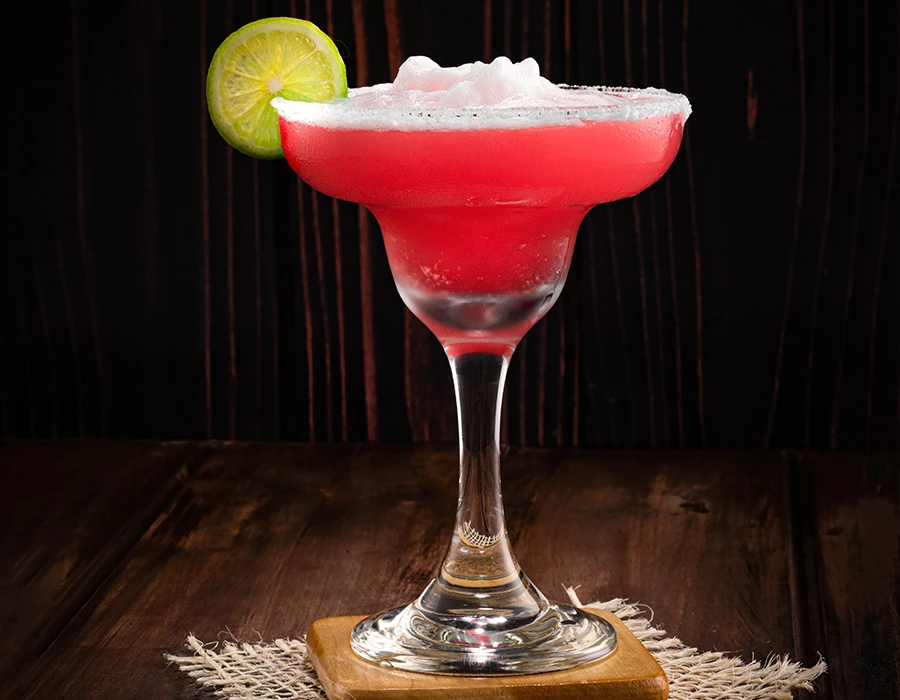
The 1937 formula in the Café Royal Cocktail Book was two parts tequila, one part Cointreau, one part lime. That version runs slightly sour with modern limes, so a small measure of agave syrup brings it back into balance without turning it sweet.
The Classic Margarita
60 ml (2 oz) blanco tequila, 100% agave
30 ml (1 oz) fresh lime juice, squeezed to order
22 ml (¾ oz) Cointreau or a good triple sec
7 ml (¼ oz) agave syrup, adjusted to the sharpness of your limes
Method: Salt half the rim only, so each sip is a choice. Shake all ingredients hard with plenty of ice for about twelve seconds, then strain over fresh ice in a chilled rocks glass. Garnish with a lime wedge.
Three details that decide the drink
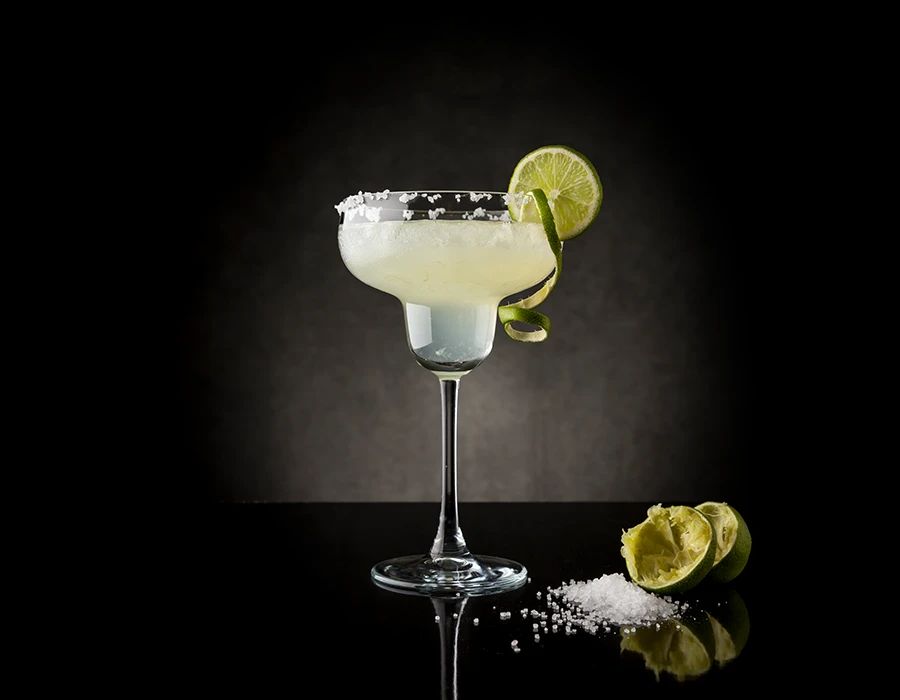
- Squeeze the limes. Bottled juice is the single most common reason a home margarita disappoints. Fresh juice loses its brightness within a few hours, so squeeze it as you build.
- Salt half the rim. A fully salted rim salts every sip. Half a rim lets the drinker choose. A pinch of salt in the shaker is the bartender’s alternative — it lifts the citrus without coating the glass.
- Shake properly and strain onto fresh ice. The shake chills and dilutes in one motion; the ice you shook with is already spent and will water the drink down in the glass.
If your bottle is worth showing off
Make a Tommy’s Margarita instead. Drop the orange liqueur entirely and use 60 ml blanco, 30 ml fresh lime and 15 ml agave syrup. With nothing citrus-liqueur-shaped in the way, the tequila is fully exposed, which is the point when you have bought something good, and merciless when you have not.
Bottles That Hold Up in a Margarita
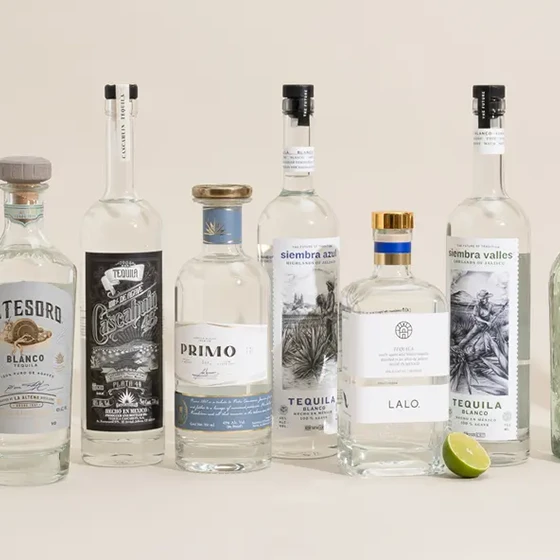
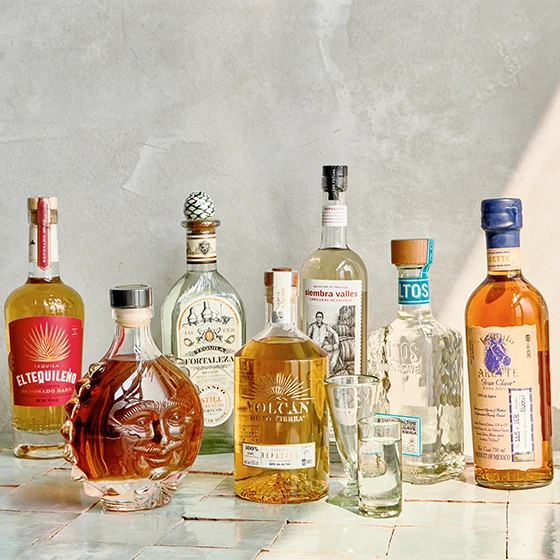
You are looking for clean 100% agave spirit with enough character to survive citrus, at a price that lets you pour without flinching. Reserve the collector bottles for a copita. For the wider view of who makes what, see our guide to the types of tequila brands.
- Cuervo Tradicional Plata. The everyday workhorse. Crisp, herbaceous and peppery, with enough agave punch to read clearly through lime, at a price that suits a pitcher.
- Centenario Plata. Softer and rounder, built on mature highland agave and finished with the house Selección Suave method. Makes a gentler, more floral margarita — a good choice for guests who find the classic too sharp.
- Fortaleza Blanco. Tahona-crushed and distinctly mineral. Makes an assertive, agave-driven margarita and is the bottle to reach for if you are making a Tommy’s.
- Espolòn Blanco. Reliable value with a bright, slightly vegetal profile that holds its shape in a batch.
- Centenario Reposado. For the rested version. New French Limousin oak gives clove and cinnamon rather than heavy bourbon sweetness, which keeps the drink from tipping into dessert territory.
One point worth keeping in view: a properly built margarita carries around 60 ml of spirit before anything else, which makes it a stronger drink than its easy-going reputation suggests. Batch for a crowd by all means, but pour to the same spec you would at a bar, and keep water on the table alongside.
Frequently Asked Questions
What is the best type of tequila for a margarita?
A 100% agave blanco. It keeps the agave, citrus and pepper notes forward without oak tannin competing with the lime, which is what gives the classic version its clarity.
Can you use reposado in a margarita?
Yes, and it makes an excellent one — rounder and sweeter, with vanilla and honey from the barrel. Reduce the orange liqueur by about a quarter to compensate for the extra sweetness, and favor a lightly rested bottle over a heavily oaked one.
Does margarita tequila need to be 100% agave?
It makes a real difference. A mixto allows up to 49% of its sugars to come from sources other than blue Weber agave, and the resulting harshness is exactly what lime and salt end up covering rather than complementing. Check for the words “100% de agave” on the label.
Pouring the Right Bottle
The best type of tequila for margaritas comes down to how much oak you want between you and the lime. Blanco for clarity, reposado for warmth, añejo for another occasion entirely. Get the category right, squeeze the limes to order, and the rest of the drink largely takes care of itself.