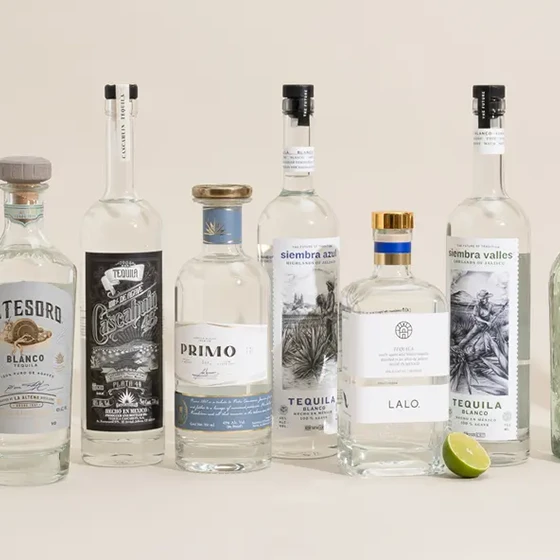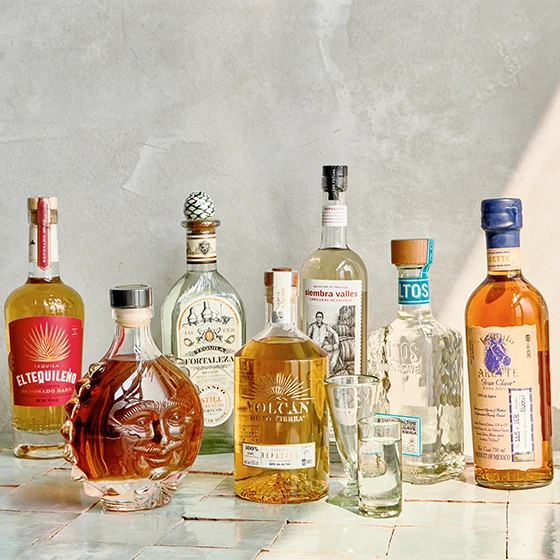
Mexico has far more tequila labels than it has distilleries. A few hundred certified producers stand behind thousands of registered brands, which means the name on the bottle and the house that actually made the liquid are not always the same thing. Learning the main types of tequila brands, and how to trace each one back to a real distillery, is the fastest way to buy well instead of buying blind. If you are still getting your bearings on the categories themselves, start with our complete guide to the types of tequila.
This guide is organized the way the shelf is: by aging category. Within each one, we look at the houses worth knowing, what they actually do differently, and where the value sits.
What Separates a Serious Tequila Brand
Before you compare houses, learn to read the label. Four markers do most of the work:
- 100% agave. If the label does not say it, the bottle is a mixto and up to 49% of its sugars came from somewhere other than blue Weber agave. This single line separates the serious shelf from the rest.
- The NOM number. Every certified bottle carries a four-digit code identifying the physical distillery. Several brands often share one NOM, which is how you discover that two very different labels came off the same still.
- The CRT hologram. The Consejo Regulador del Tequila certifies and inspects every producer, barrel programme and export shipment. No seal, no guarantee.
- What the rules still allow. NOM-006-SCFI-2012 permits up to 1% by volume of mellowing agents — caramel colour, oak extract, glycerin and sugar syrup — with no disclosure on the label. Producers who bottle without them tend to say so loudly.

Blanco Brands: Agave Without the Oak
Blanco is unaged, or rested under two months in stainless steel. With no wood to hide behind, it is the most honest expression a house makes, and the clearest read on the quality of its agave and its distillation.
- Centenario Plata. Built on mature highland agave from Los Altos and finished with the house Selección Suave method, which blends a proportion of rested reserve into the unaged spirit. The result leans soft and rounded rather than sharp, with citrus and cut-grass notes.
- Fortaleza Blanco. Stone tahona crushing, wooden fermentation tanks and copper pot stills. Oily, briny and mineral in a way most of the category is not. A benchmark for traditionalists.
- 1800 Blanco. Double distilled, bottled in the trapezoidal decanter, and pitched squarely at both the sipping glass and the shaker. Roasted agave, cracked pepper and a clean finish.
- Patrón Silver. The label that built the premium tequila aisle in the United States. Light, floral and consistent, and still the reference point most drinkers arrive with.
Reposado Brands: Where the Oak Comes In
Reposado rests in oak between two and twelve months. It is the volume category in Mexico and the one where house style shows most clearly, because barrel choice and resting time vary enormously from producer to producer.
- Centenario Reposado. Rested in new French Limousin oak and blended with older reserves. New French wood pushes vanilla, clove and a fine tannic edge rather than the coconut sweetness of ex-bourbon barrels.
- Herradura Reposado. Introduced in 1974 and widely credited with creating the reposado category. Herradura rests it eleven months in American white oak, close to the legal ceiling, and unusually long for the style.
- Cuervo Tradicional Reposado. A short rest, a light hand with the wood, and a profile built for mixing rather than sipping. One of the most poured reposados in Mexico for exactly that reason.
- Siete Leguas Reposado. Part of the production still crushed by tahona and distilled in small copper pots. Assertive agave underneath the wood, and additive-free.
Añejo, Extra Añejo and Cristalino Brands
Past twelve months in barrel the category changes character. Añejo requires a minimum of one year and extra añejo a minimum of three, both in casks capped at 600 litres. This is where houses put their reputations.
- Reserva de la Familia Extra Añejo. The Cuervo family reserve and the world’s first extra añejo tequila, drawn from estate agave and matured in French and American oak. Bottles are individually numbered and the case is redesigned each year by a Mexican artist. Dried fig, cacao and toasted almond.
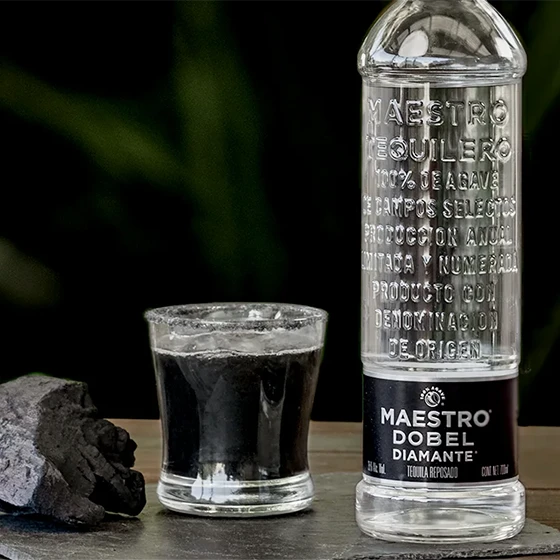
- Dobel Diamante. A multi-aged blend of reposado, añejo and extra añejo, filtered clear. Dobel claims the first cristalino, and the style it opened is now one of the fastest growing corners of the category.
- Dobel 50. An ultra-aged extra añejo cristalino finished in European oak. Dried fruit, warm spice and butterscotch, at collector pricing.
- 1800 Cristalino. An añejo finished in port casks before filtration, which leaves a distinct red-berry sweetness under the vanilla.
- Don Julio 1942. The bottle that made luxury añejo a nightlife category. Soft, sweet and unmistakable on a backbar.
Which Tequila Brands to Buy for Mixing
Cocktail bottles are a different purchase. You want clean 100% agave spirit with enough agave character to survive citrus, at a price that lets you pour freely. Cuervo Tradicional Plata and Centenario Plata both sit in that window, as do Espolón Blanco and Cazadores Blanco. For a full breakdown of how each aging category behaves against fresh lime, see our guide to the best type of tequila for margaritas.
Types of Tequila Brands at a Glance
| Category | Typical profile | Best served | Brands to know |
|---|---|---|---|
| Blanco | Cooked agave, citrus, white pepper, minerality | Neat, highballs, margaritas | Centenario Plata, Fortaleza, 1800, Patrón |
| Reposado | Vanilla, clove, toasted oak over agave | Neat, rocks, richer cocktails | Centenario, Herradura, Cuervo Tradicional, Siete Leguas |
| Añejo | Caramel, dried fruit, baking spice | Neat, after dinner | Don Julio 1942, 1800 Añejo, Fortaleza |
| Extra Añejo | Cacao, fig, toasted nut, deep oak | Neat in a tulip glass | Reserva de la Familia, Dobel 50 |
| Cristalino | Aged complexity, filtered clear; vanilla and coconut | Neat, chilled, or over one large cube | Dobel Diamante, 1800 Cristalino |
Frequently Asked Questions
What is the difference between a tequila brand and a distillery?
A brand is a label; a distillery is a physical, certified production site with its own NOM number. Because contract production is common, one distillery can produce for many brands. Checking the NOM tells you where the liquid was actually made.
Are expensive tequila brands always better?
Not reliably. Price reflects barrel time, packaging and marketing as much as liquid quality, and long aging is not automatically an improvement, since it can bury the agave. A well-made blanco at mid-price often shows more character than a heavily oaked bottle at three times the cost.
Does 100% agave mean there are no additives?
No. It guarantees that all fermentable sugars came from blue Weber agave, but NOM-006 still permits up to 1% of mellowing agents without disclosure. Brands that bottle without them generally state it on the label or on their site. For the wider agave family and where mezcal fits, see our explainer on whether mezcal is a type of tequila.
Choosing Your Bottle
Across every one of the types of tequila brands on the shelf, the same three questions do most of the work: is it 100% agave, which distillery is behind the NOM, and how much oak do you actually want in the glass. Answer those and the aisle stops being intimidating, whether you are reaching for an everyday blanco or a numbered extra añejo that deserves a quiet evening.
Sources
- Consejo Regulador del Tequila — NOM-006-SCFI-2012 (English)
- Consejo Regulador del Tequila — certification and producer registry
- Tequila Herradura — Reposado, the original rested tequila (1974)
- Difford’s Guide — Tequila classifications: mixto, 100% agave, curados
- European Commission — Tequila geographical indication specification (OJ C 255/2016)